We are on our travels again and once more we are in Spain, this time in the south eastern resort of Calpe. It lies on the Costa Blanca, about 90 mins drive from Alicante Airport and about 40 mins from the hotbed of British tourism, Benidorm.
This area of Spain has been popular with the British for many years and has suffered from a proliferation of concrete tower block hotels which has given the coastline the unwanted nickname of New York on Sea, with apologies to New Yorkers! However we were there as part of a walking group to explore the inland hill paths and villages away from the hustle and bustle of a busy resort.
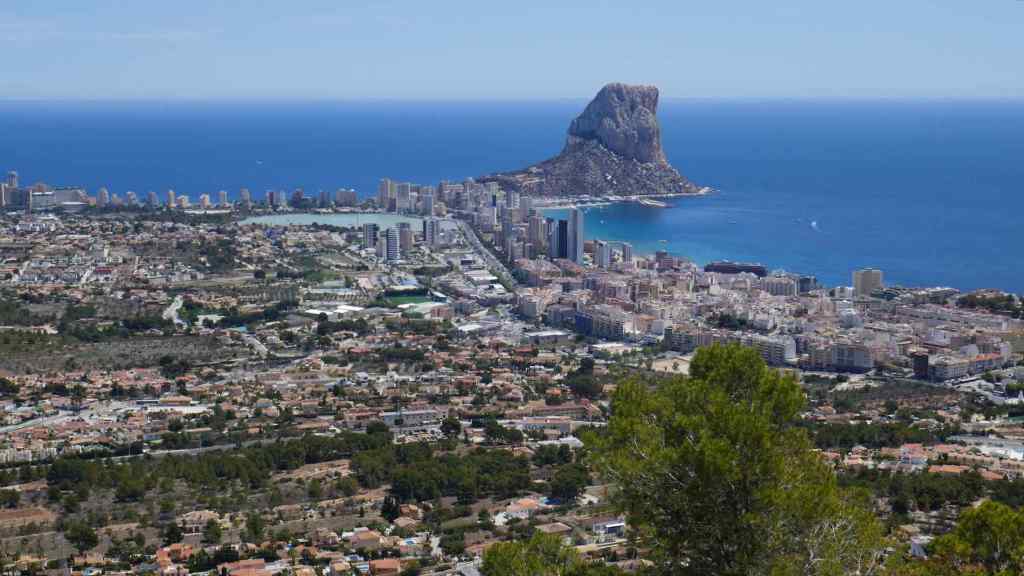
The first thing that strikes you when you arrive in Calpe is the huge rock that dominates the skyline. Penon d’Ifach, as the rock is known locally, rises 322m above the Mediterranean Sea and is one of the most famous sights in the area. It is a protected National Park noted for its mixed birdlife. Access to the top is limited to help protect the avian residents and to try and prevent erosion to the paths and rocks.
Our orientation walk took us up the path to the Visitors Centre but the path onward from there is restricted and can be very narrow, crumbly and difficult in places. To afford the extra protection tickets are required and have to be pre-booked a day in advance to walk beyond the Visitors Centre. This is in order to control numbers and limit access to the very top. So once at the Visitors Centre the group was guided back down via a different route, which was fine as it provided some stunning views of the town and some examples of the local wild life and bird life.
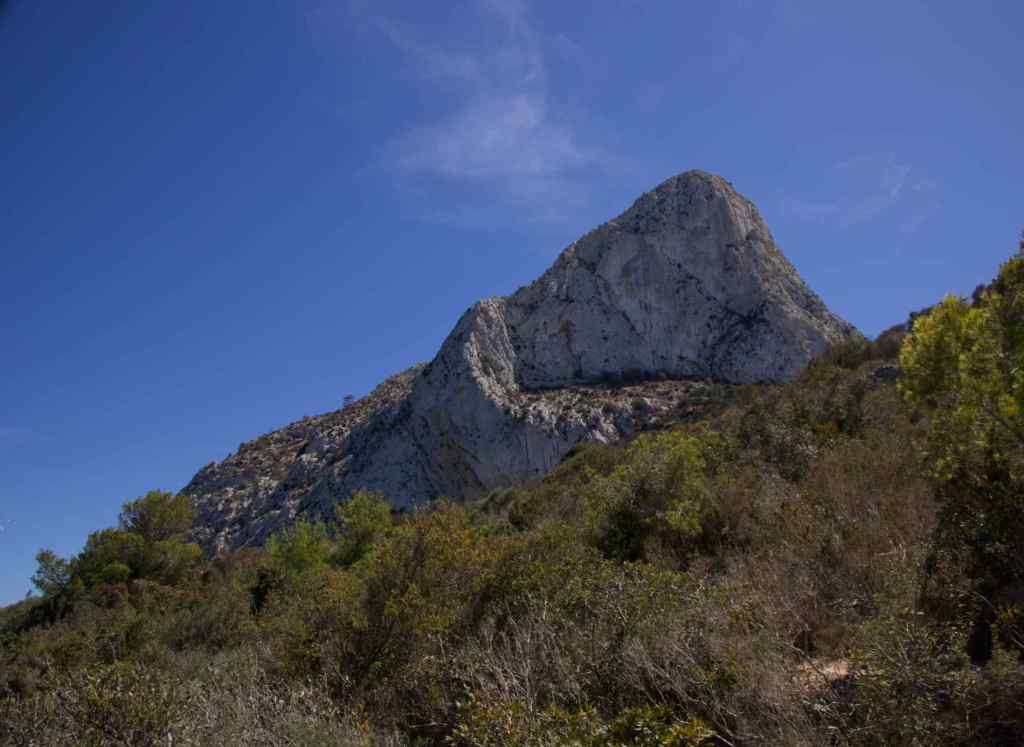
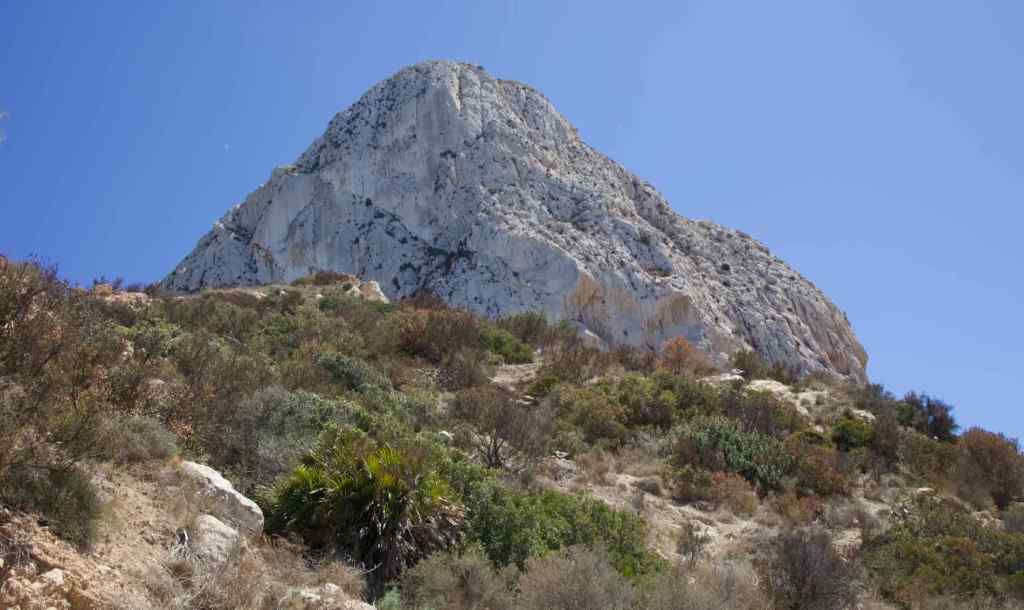
Three views of the Rock of Ifach – Calpe


Wildlife spotted on the Rock of Ifach
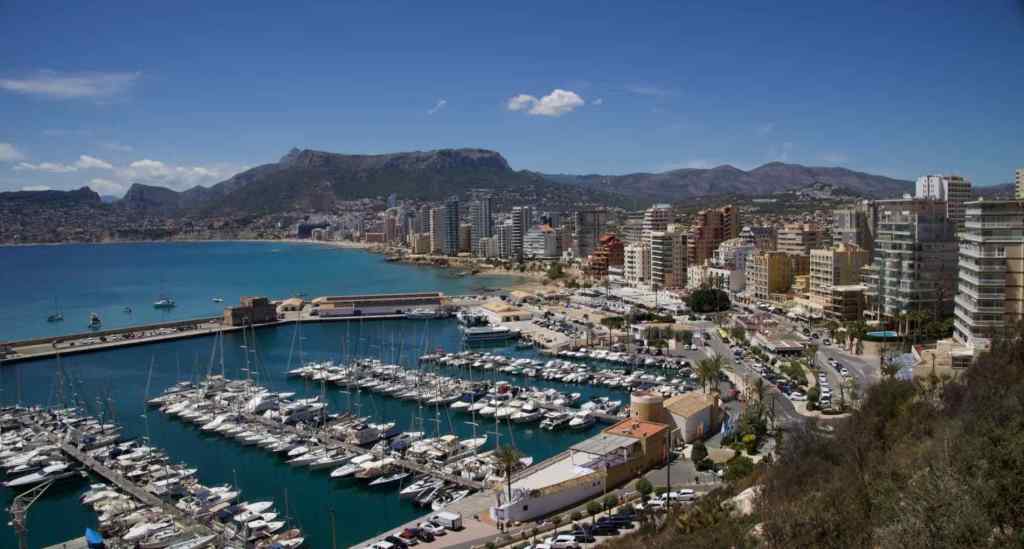
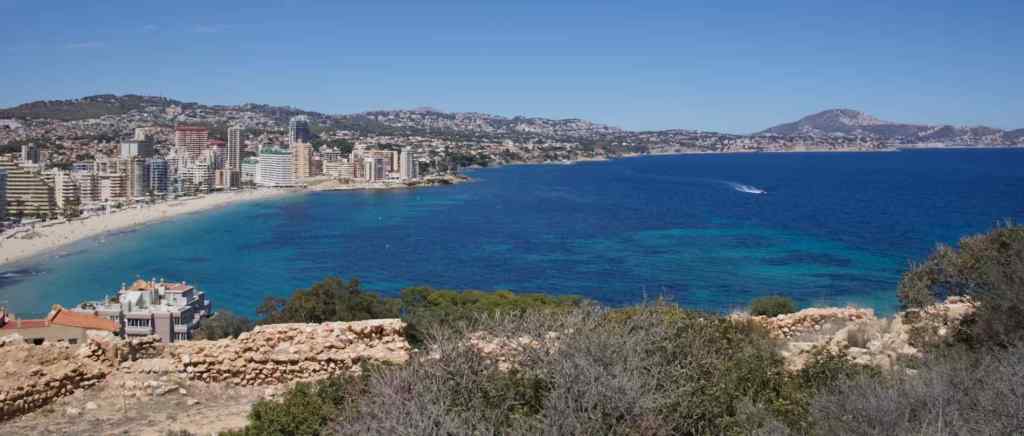
Views of Calpe either side of the rock
A glance at the history of the town indicates evidence of settlements dating from the bronze age but with little to trouble historians Calpe appears to have had a relatively quiet time compared to other areas of the country. This all changed after 1945 when a small tourist industry began to develop as villas and small hotels were built to accommodate visitors to the town. In the late 1960’s and early 70’s, in common with the much of the rest of the Costa Blanca, there was massive boom in construction of hotels on the coastline around Calpe ,to support the mass tourist trade. As you can see from the images above, there are hotels and apartments everywhere along the coast.
The developments took place around the coast but that still left the old town area relatively unscathed. With its narrow streets, cafes, restaurants, museums and art galleries, sanctuary can be found for a short while, away from the hustle and bustle of the extended promenade and sea front area.
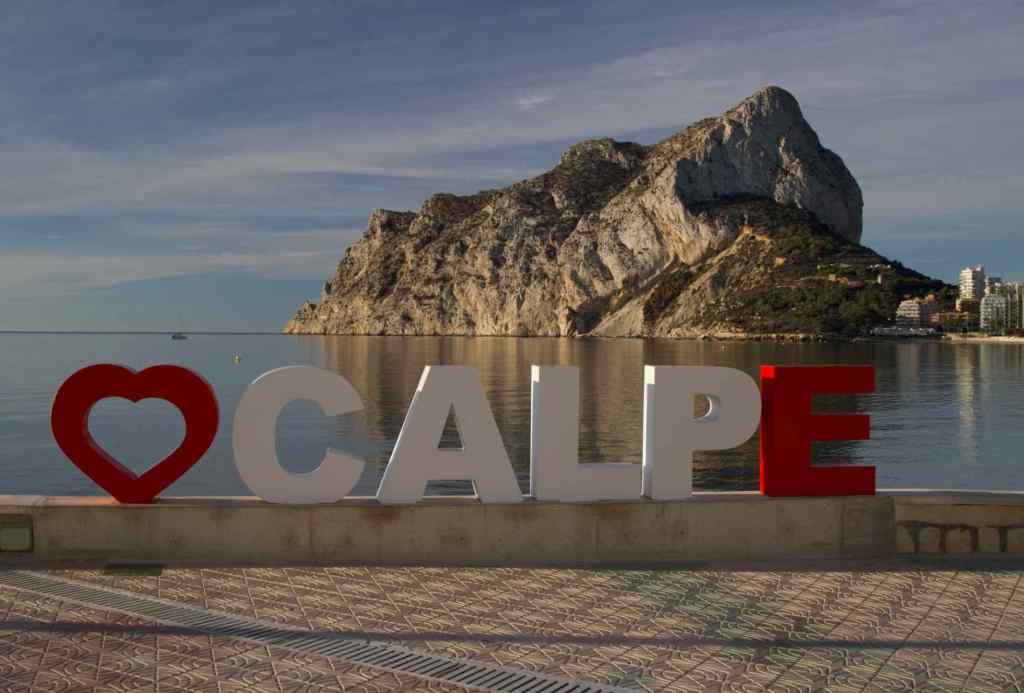


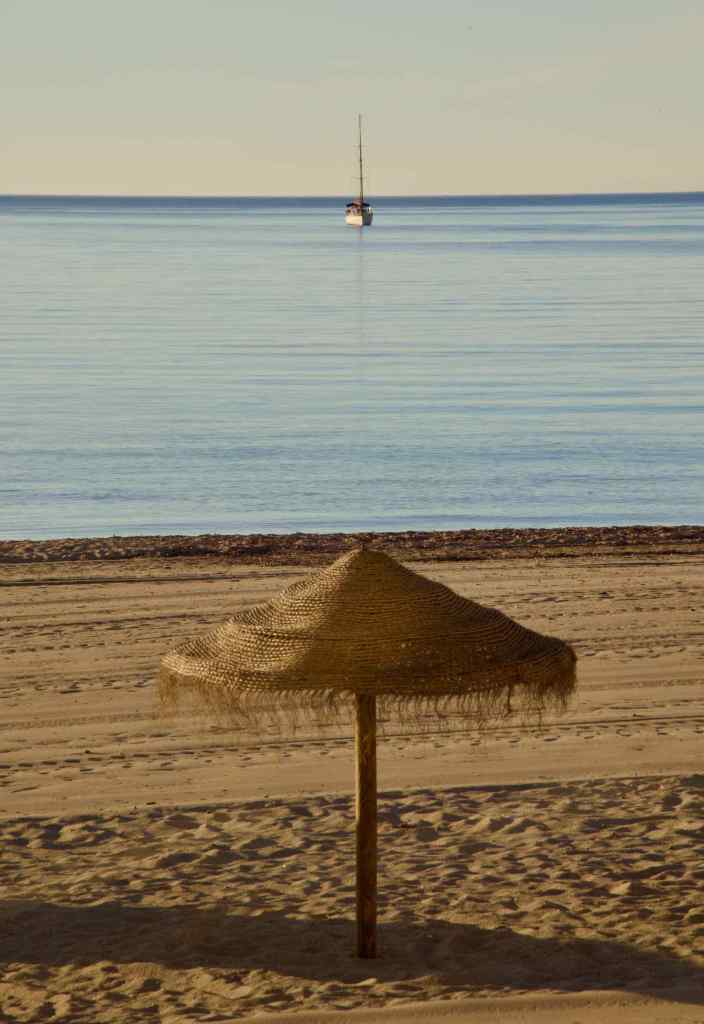
Images from an early morning walk along the eastern promenade before breakfast with the Rock of Ifach dominant.
Our down day was spent exploring the old town of Calpe. It was a twenty-five minute walk from our hotel but once we had left the promenade, with its tourists and hawkers trying to make living selling handbags or tat, we found a relatively peaceful and uncrowded area. It was typical of old towns everywhere, narrow streets, cafes, bars and local shops struggling to make a living. I am guessing it was quiet, because of the long, steep hill we had to walk up to find the old town.
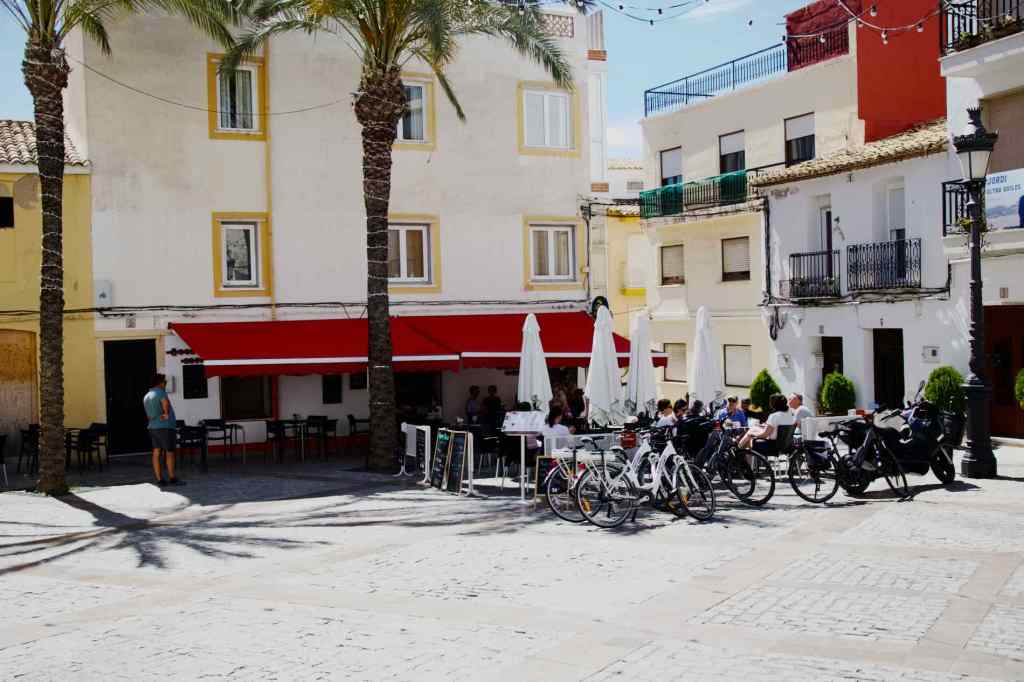

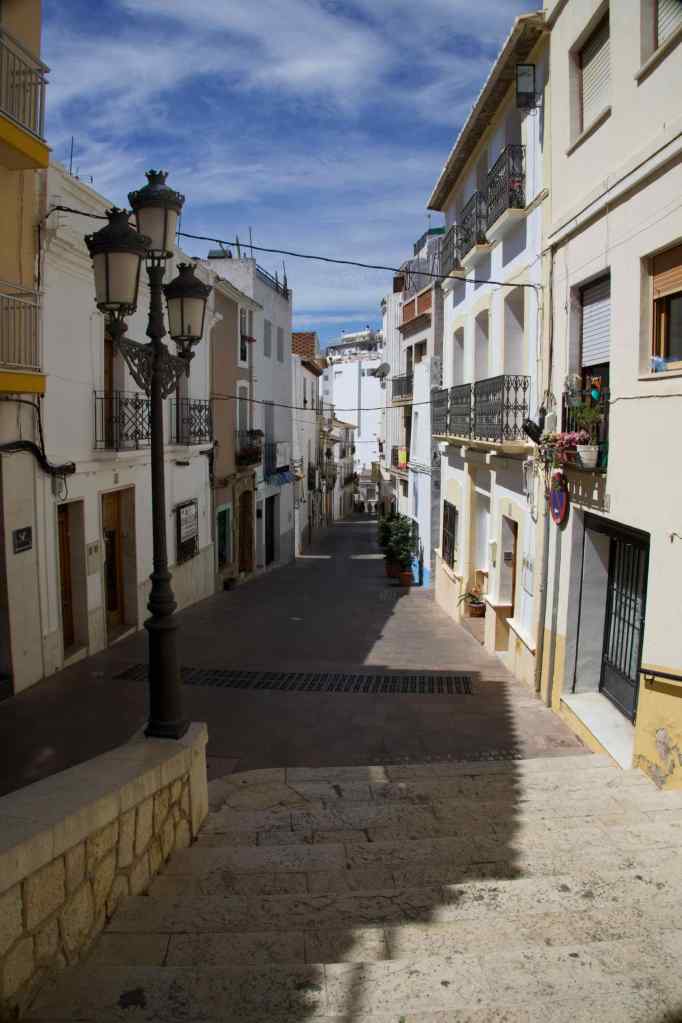
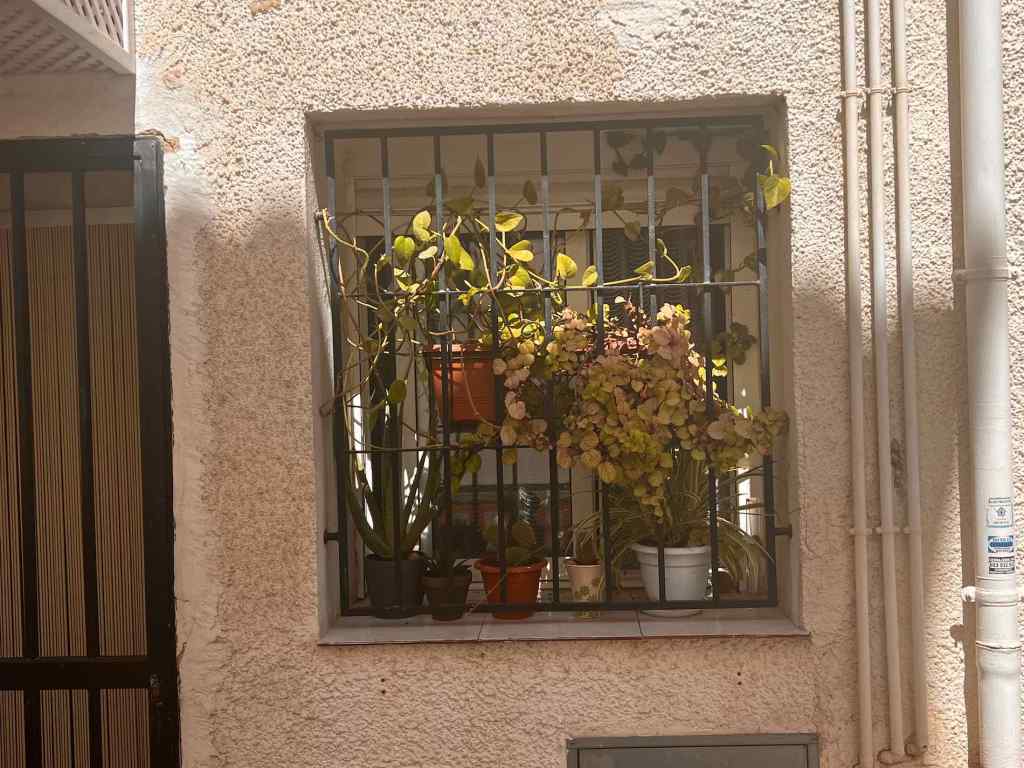
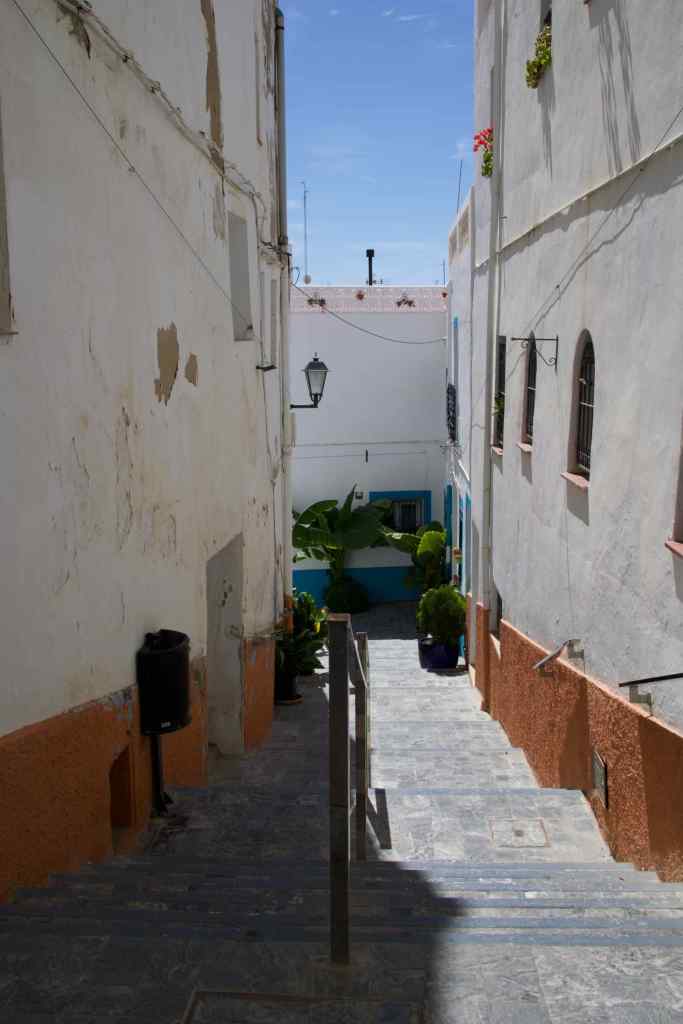

Above: Scenes from the old part of town
Many of the older buildings had decoration of mosaics or murals and below are a few examples of “wall art”


Above: Some detail shots of the old town.
We had read about an exhibition at an art gallery, so after coffee we sought it out. It was a small building and guarded at the door by a charming Spanish lady who spoke no English whatsoever. Thankfully Google Translate came to the rescue and we ascertained that she was the artist and we could take photographs inside……so we did!

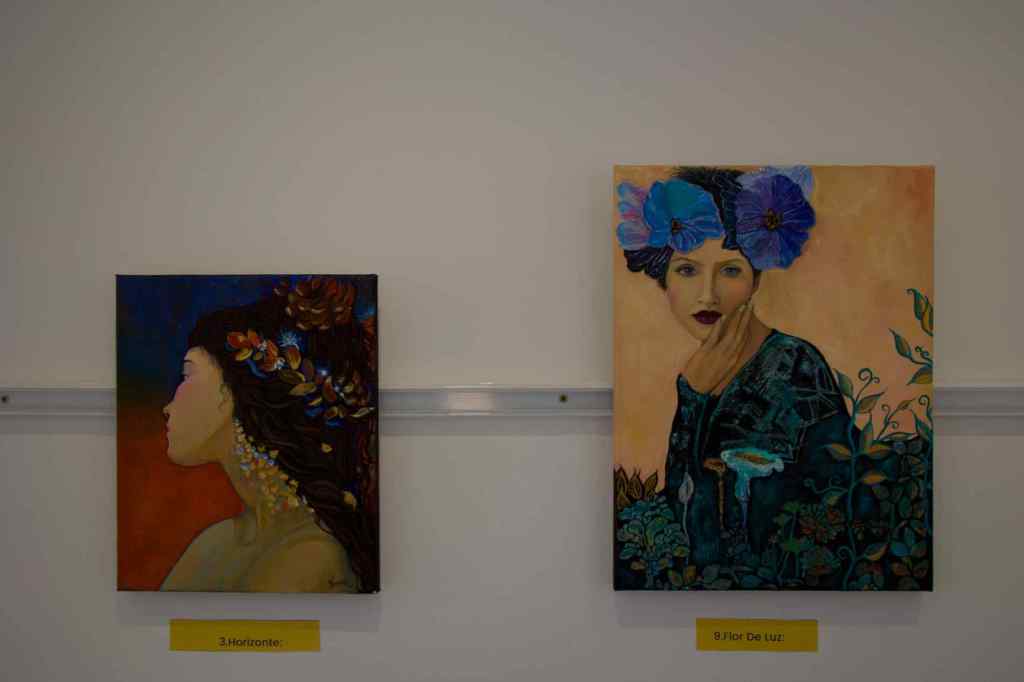
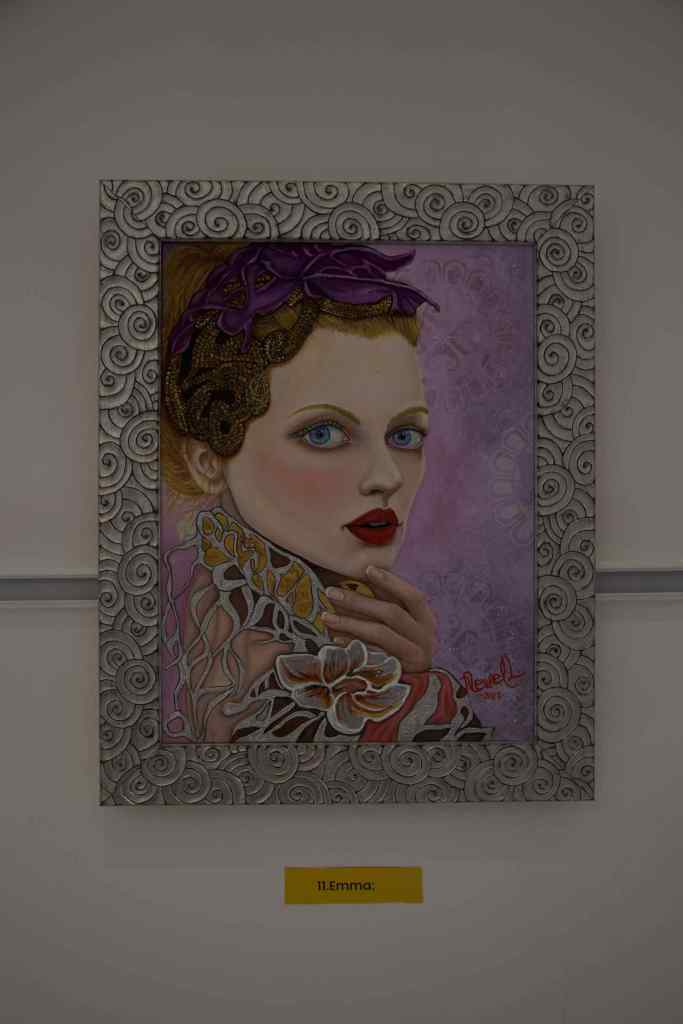

Above: Some of the portraits on show in the small gallery
Regular viewers of my blog will know that I occasionally drift away from the normal “record shot” and look for something a bit different. Below are a collection of some such images.
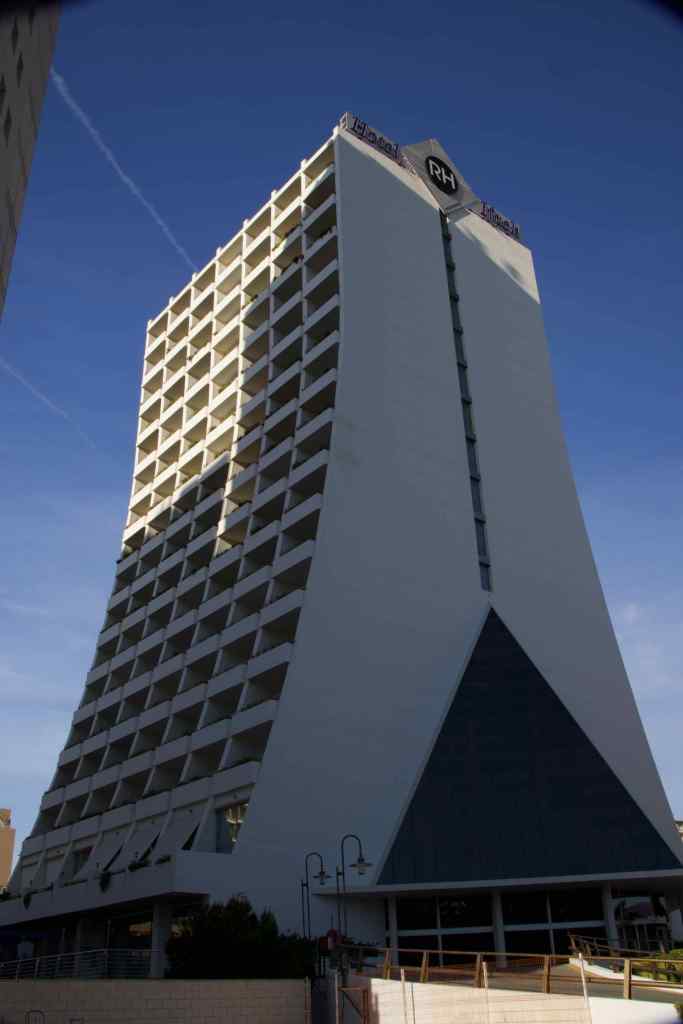
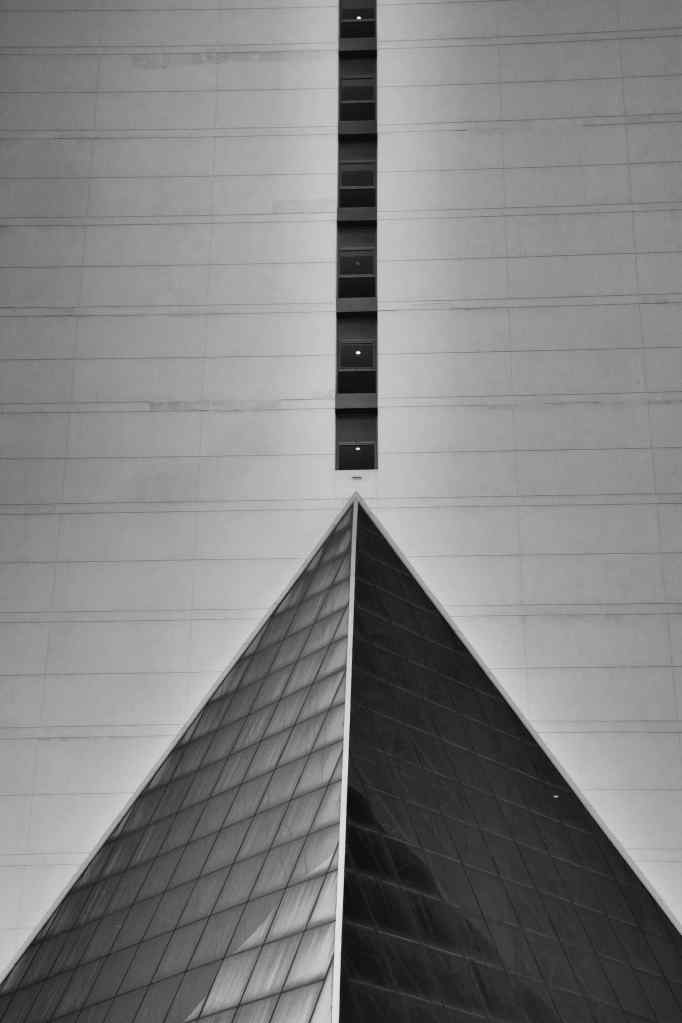
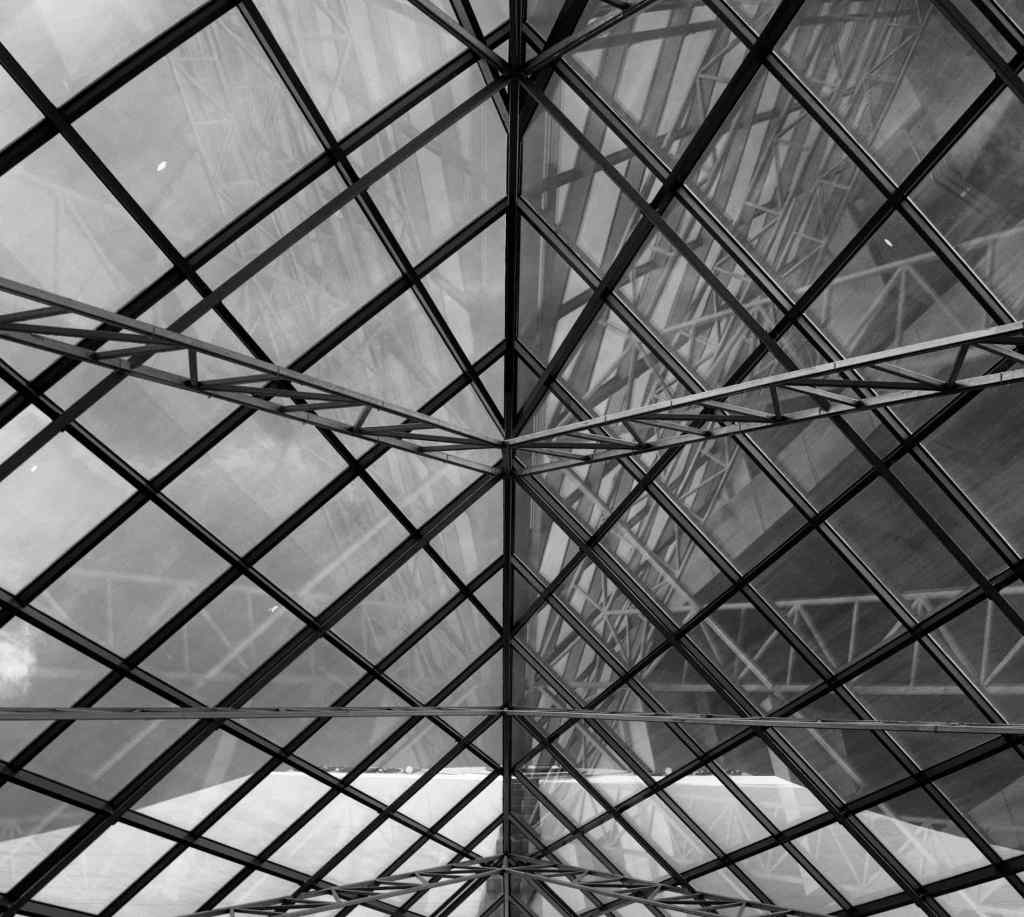
Our hotel is the top image. Keen eyed viewers will note that it tapers to the top. This means that those on the top couple of floors have great views, but the balconies are half the size of those in the rooms far below. The centre image is a mono conversion of the detail on the front of the hotel. The bottom image is the geometric girder work that supported the glass entrance to the reception.
Opposite our hotel was a large nature reserve which had a winding path all around its perimeter. The lake was home to a flamboyance of Pink Flamingoes (Did you know that the collective noun for flamingoes is a “Flamboyance?” No? Me neither!) who spent most of their time with their heads in the water feeding. Lyn heard many other birds whilst on our walk but we did not see much other wildlife.

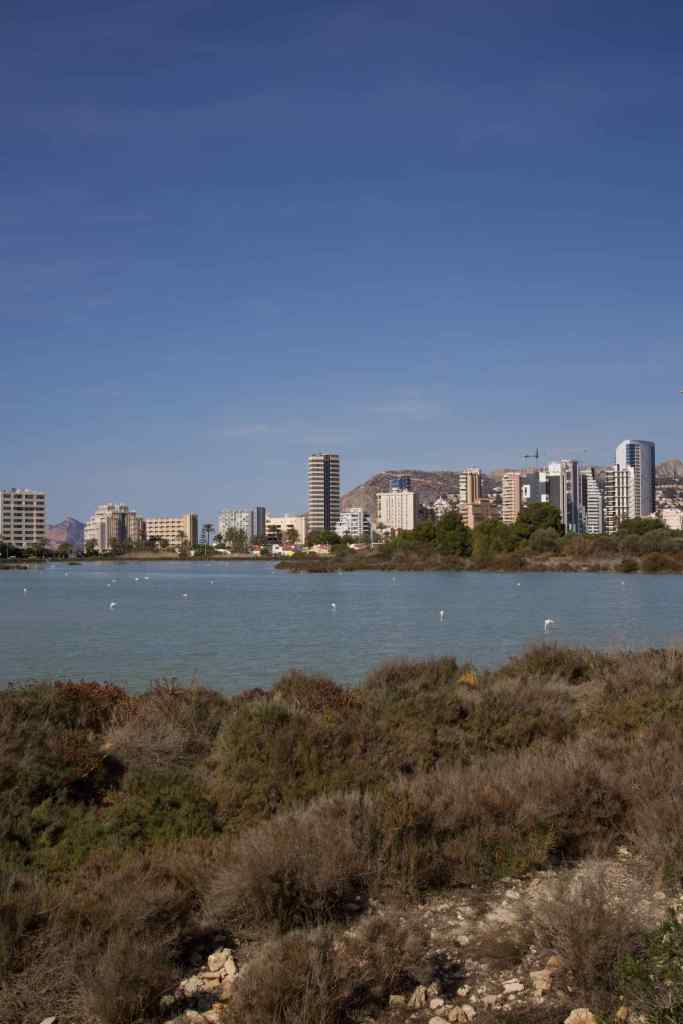


The Nature Reserve in Calpe – opposite our hotel
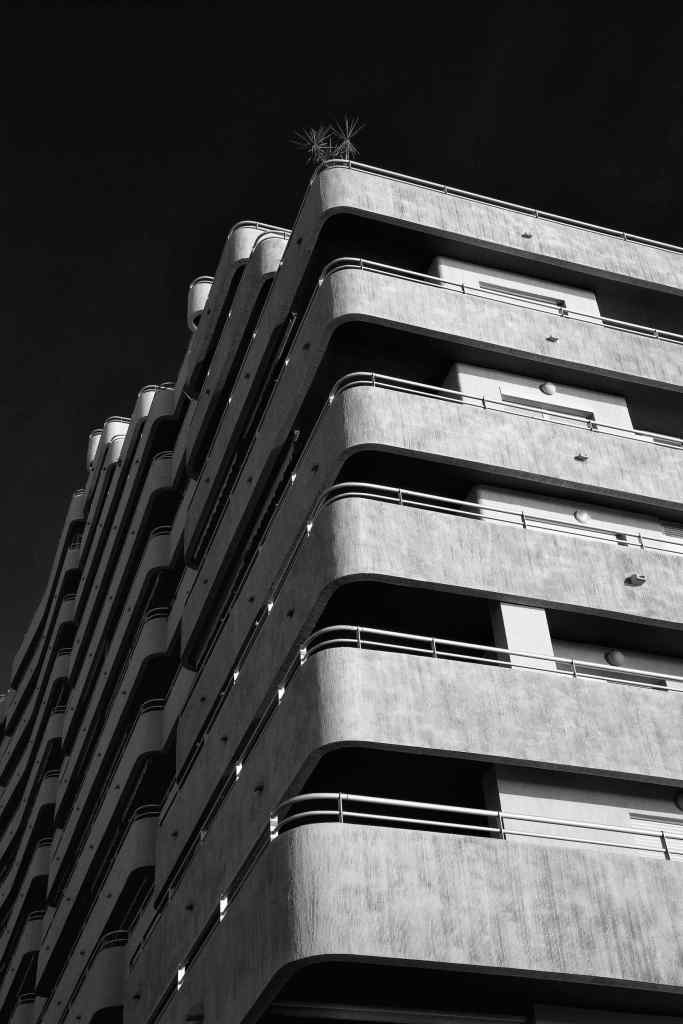
It is clear to see the impact that 6o years of tourism has had on the small town of Calpe. There is one more image that for me sums up the spread of “brutalist” architecture all along this coastline. It is the image below of an apartment block built for tourists, but which now, by all appearances has no occupants. I may be wrong, as it was early season when we visited, All the windows were shuttered and there was no sign of anyone….not even a beach towel hung over a balcony.
Part one of the blog has covered Calpe the resort. In part two I will try and describe some of the countryside areas and the beautiful villages we walked through and drank coffee in!
 davyh photography