Crete – one of the jewels of the Mediterranean and a popular destination for tourists. Located in the eastern Mediterranean, it is the largest of the Greek Islands. It has a long history as illustrated by one of its main attractions, the ancient city of Knossos which is a major archeological site dating back to the Bronze age. More of which elsewhere in this blog.
The island has also been ruled by many occupying forces from Ancient Greeks, the Romans, The Ottoman Empire and more recently, the island was occupied by Nazi Germany during the Second World War. It now comes under the Greek Administration.
We have recently returned from a week on this lovely holiday isle. It our first trip to a Greek Island in 20 years. Lyn has been before but Crete is new to me.
Hersonissos
We were based close to the town of Hersonissos, which has evolved over the years into a bustling, popular holiday resort with many bars, cafes and clubs lining a long sea front harbour area. We were about a 15 minute walk from the centre but did not bother with the night-life, or much of the daytime life, come to think of it.
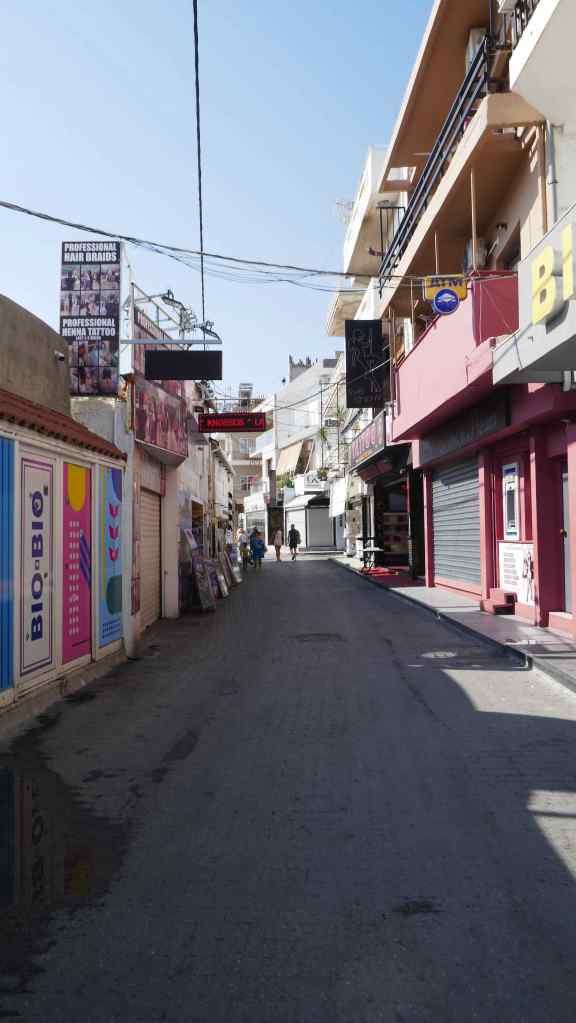


Above: Three images of the seafront cafes, shops and life in Hersonissos. The other side of the cabins on the right is the harbour wall!

The main town beach – Hersonissos. Our hotel was further around the bay on the right side of the image
Our base was a villa style complex of low rise white square box buildings in the typical greek style, located about 15 minutes walk from the main centre. It had everything we needed for a pleasant stay, swimming pool, cafe and a very small beach, more rocky outcrop than sand.
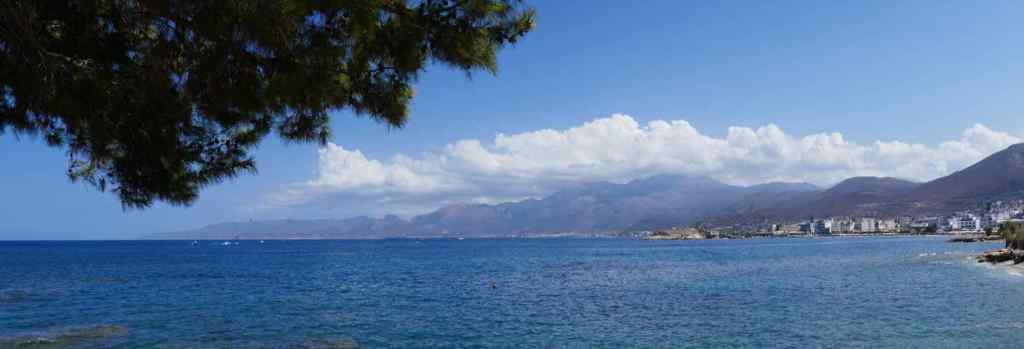

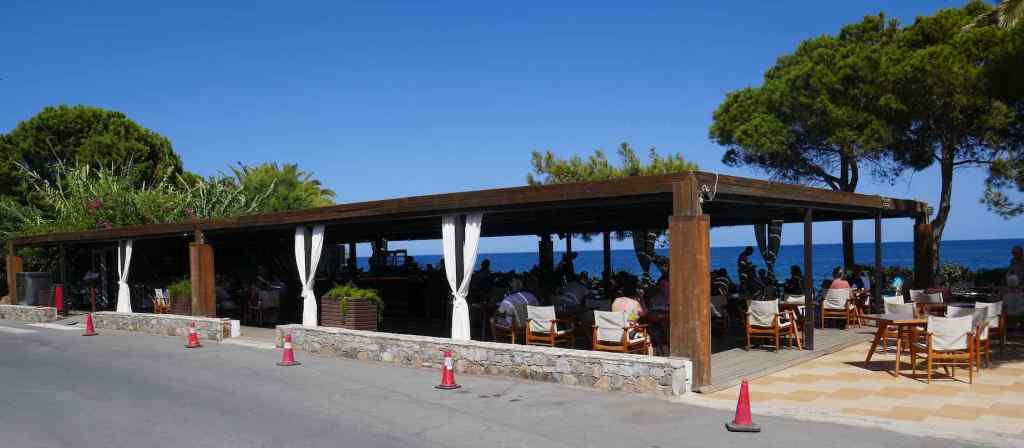

Top: View across the bay from our hotel towards Hersonisoss; 2. A short walk up the coast – St Georges Chapel; 3. Our beachside cafe – coffee was free! 4. Lyn enjoys a swim from the beach in front of our hotel.


Top: Evening at poolside; Bottom: Pre-dinner drink
A short walk from our accommodation in the opposite direction from the town were a couple of beaches and located on headland a short distance away, a tiny chapel. St Georges Chapel is located in the grounds of, but away from a large hotel complex. It is a quiet spot, remote from the noise of the resort and the adjacent hotel, where the reward for your effort in walking there was peace and tranquility, and the ability to sit and watch the waves roll in over the rocks.

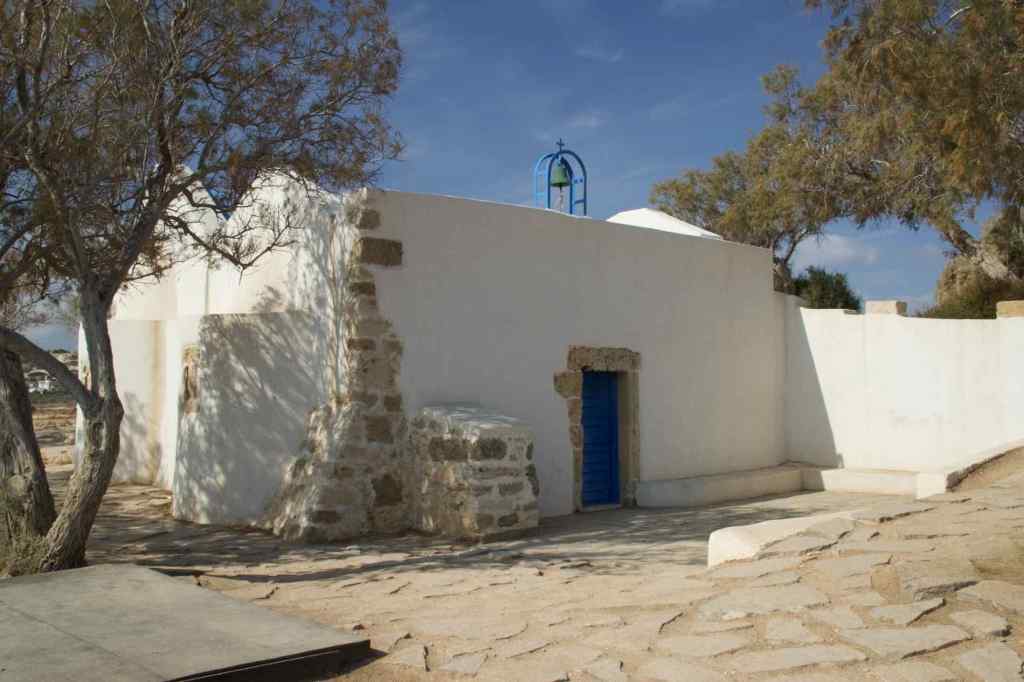

Views of St Georges Chapel – about 20 min walk from our hotel
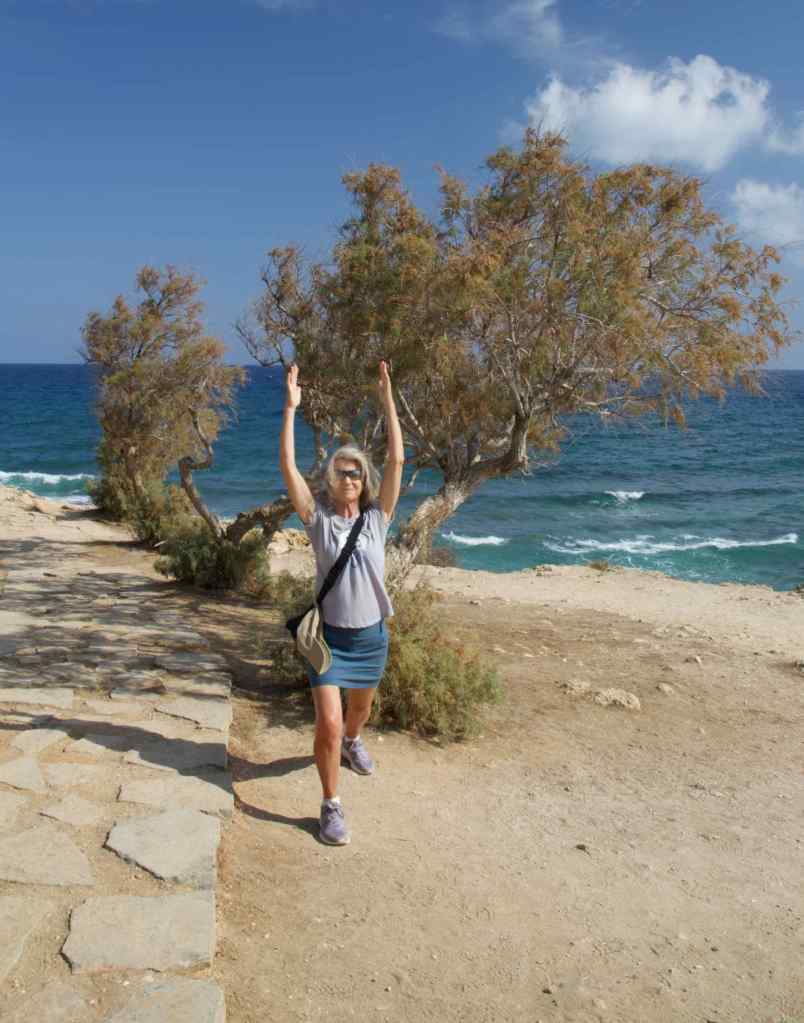
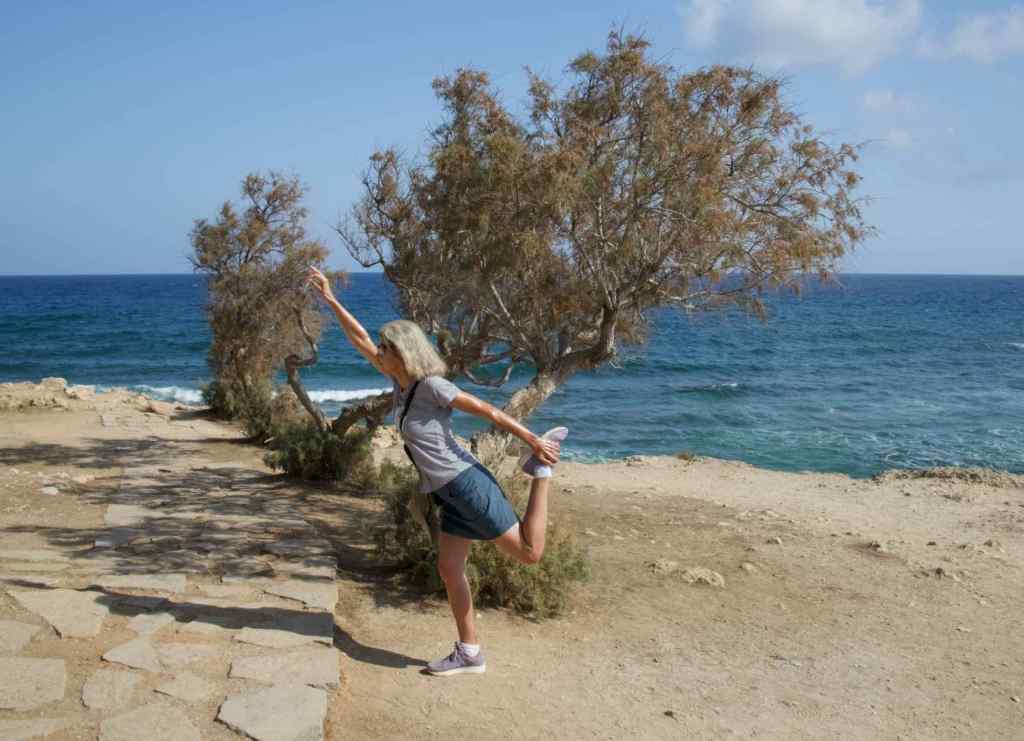
Another lovely location – Lyn does yoga
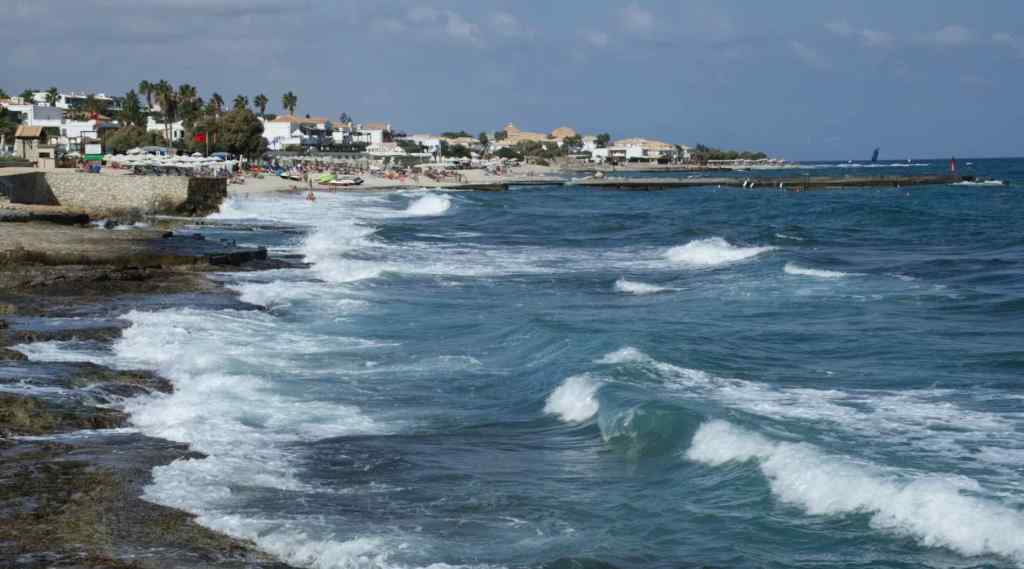


The bays either side of St Georges Chapel
We were told that the chapel is often used for weddings . For a fee you could have your very own “Mama Mia” (that is the film, not an Abba Tribute band) style wedding spectacular in your own Greek chapel. It was lovely location, but a wedding………?

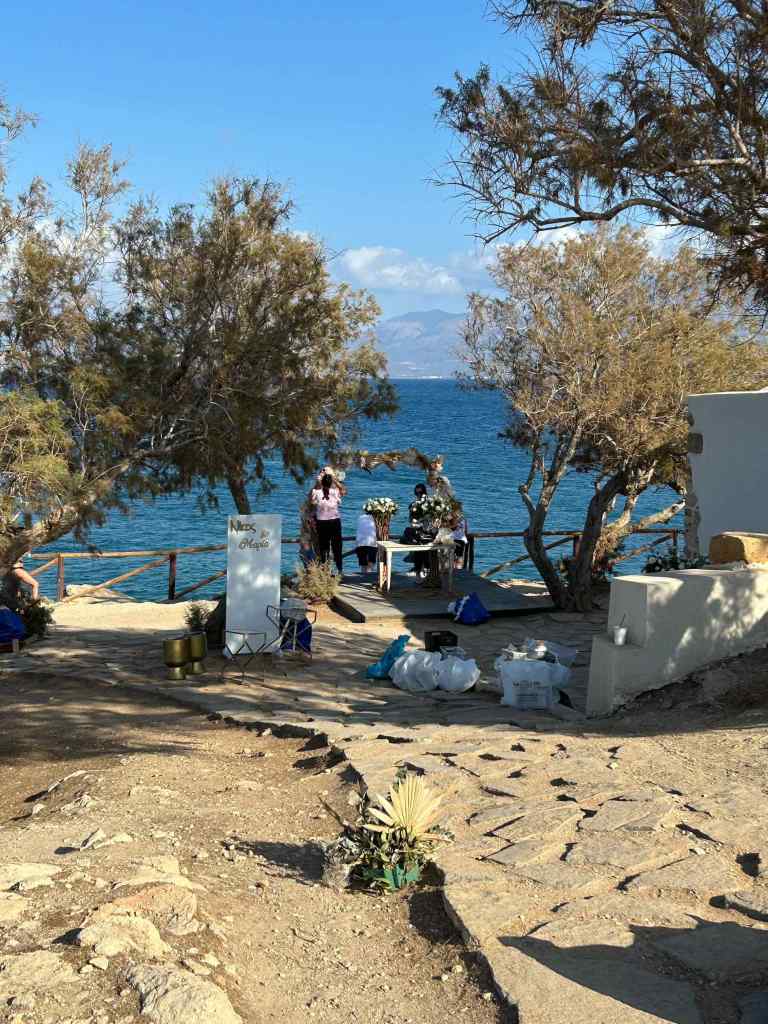
My Greek Wedding………wedding preparations under way early one evening. I was out for a run and did not linger to watch the bride and groom arrive.

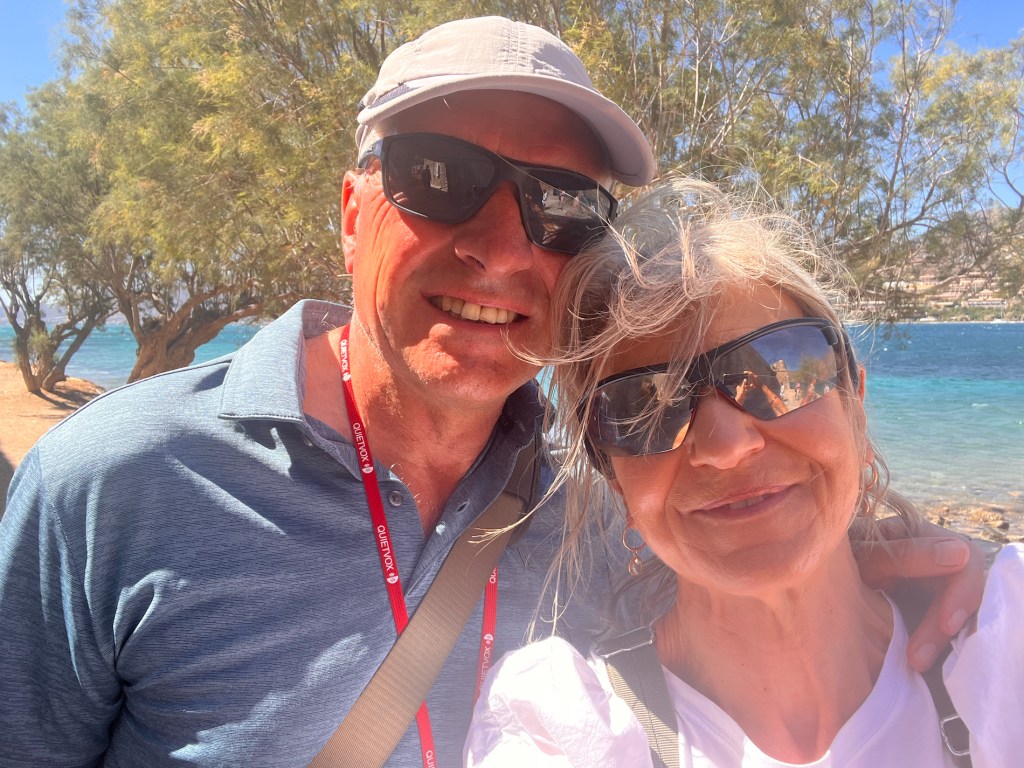
Us enjoying St Georges Chapel Peninsula
Knossos
Knossos is a Bronze Age archeological site which was major centre of the Minoan civilisation and is known for its association with the Greek myth of Theseus and the Minotaur. The Minotaur is a mythical creature with the head and tail of a bull and the body of a man. The creature was slain by Theseus, an Athenian hero.
The site is dominated by the huge Palace of Minos which was reckoned to be a part religious and part administrative centre, rather than a royal residence. The earliest parts of the site were built around 1900BC and continued to be developed and expanded until its eventual destruction around 1350BC.
Excavation of the site was first begun in 1877 by Minos Kalokarairinos, a Cretan businessman and amateur archeologist. He was ordered to stop after about 3 years by the Turkish authorities, who controlled the island at that time. In 1900 Englishman Sir Arthur Evans began a much longer (about 35 years) and more extensive excavation which revealed many famous artefacts. Evans was credited with discovering the Minoan civilisation but his restoration work on the site was controversial, mainly for his inaccurate and irreversible re-constructions of many of the architectural remains, artefacts and paintings.
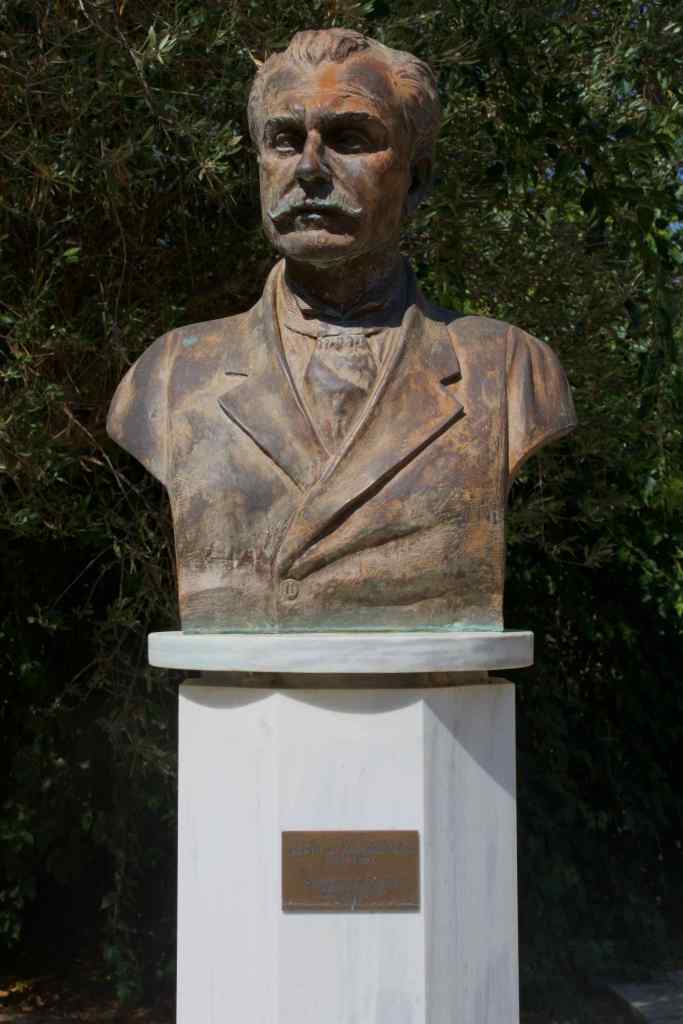
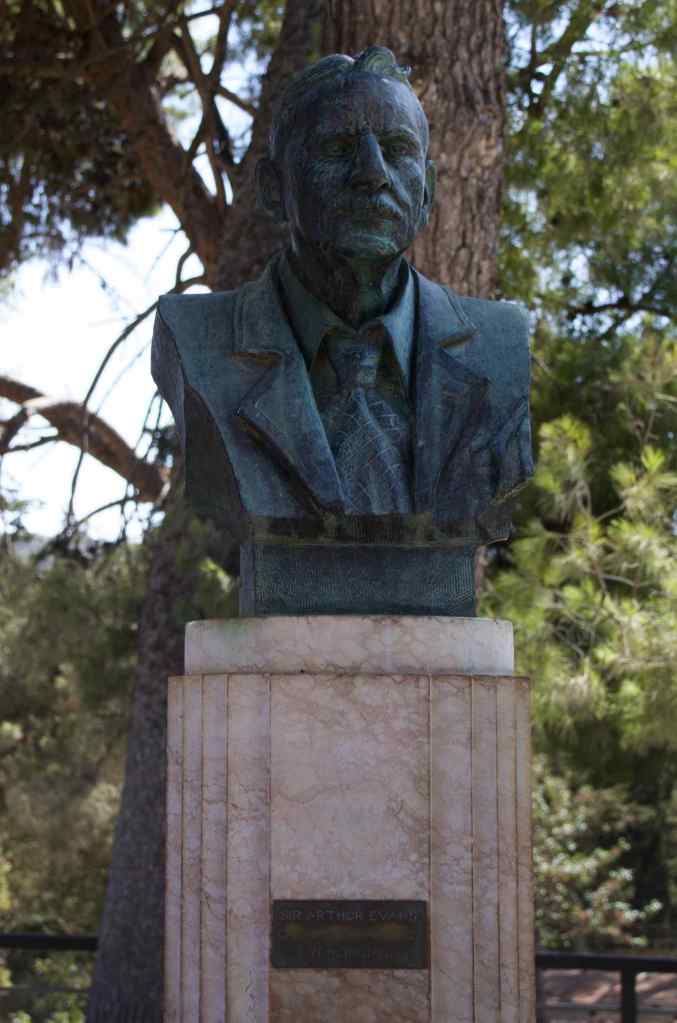
Left: Minos Kalokarairinos; Right: Arthur Evans
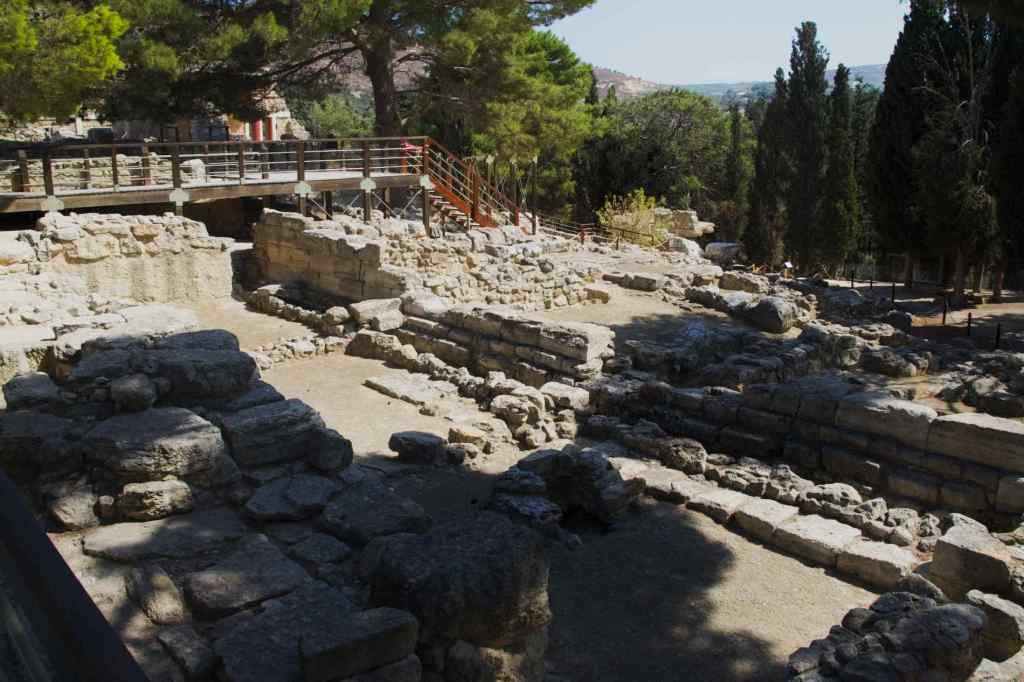

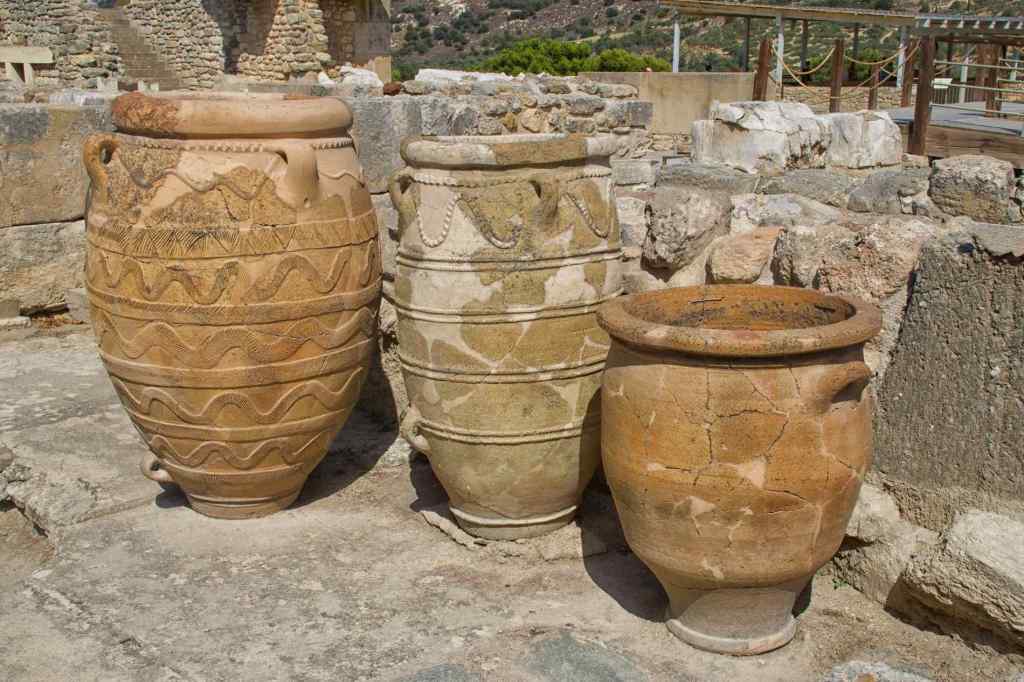

Top: The site just after entry: 2. South Portal – Note the Evans restored pillar; 3. Greek Urns; 4. Looking towards the famous North Portal entrance.
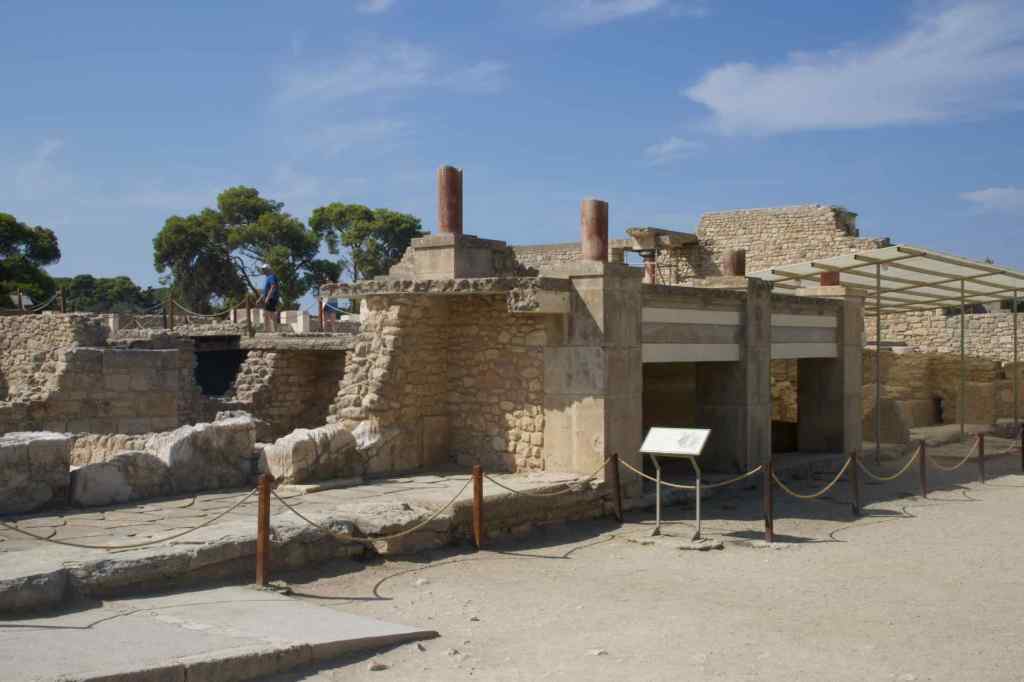


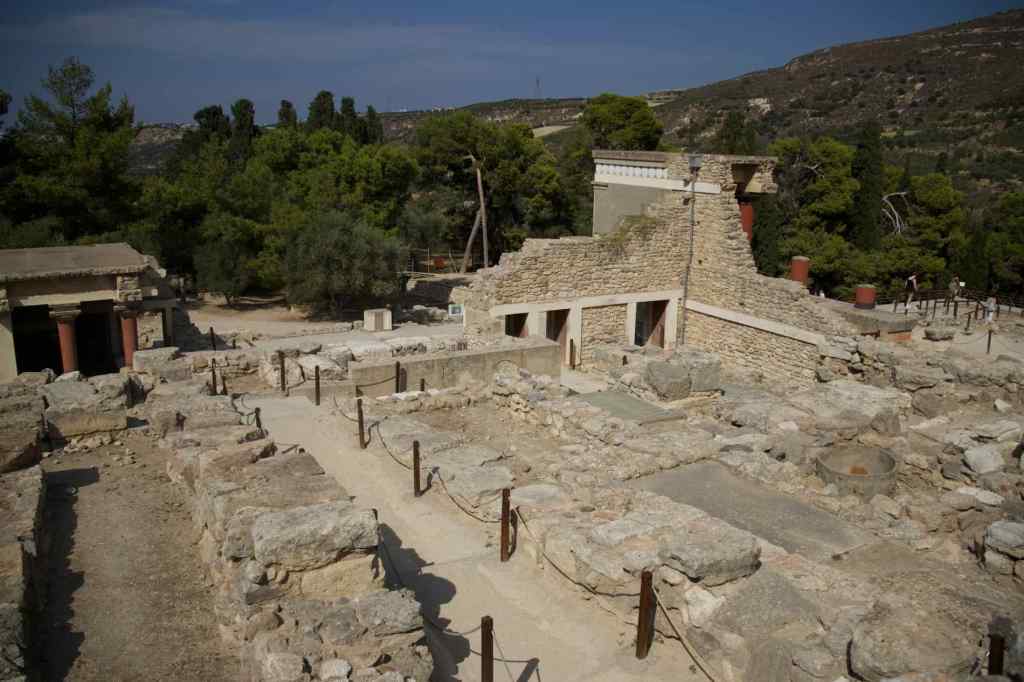
More images showing the various aspects of Knossos


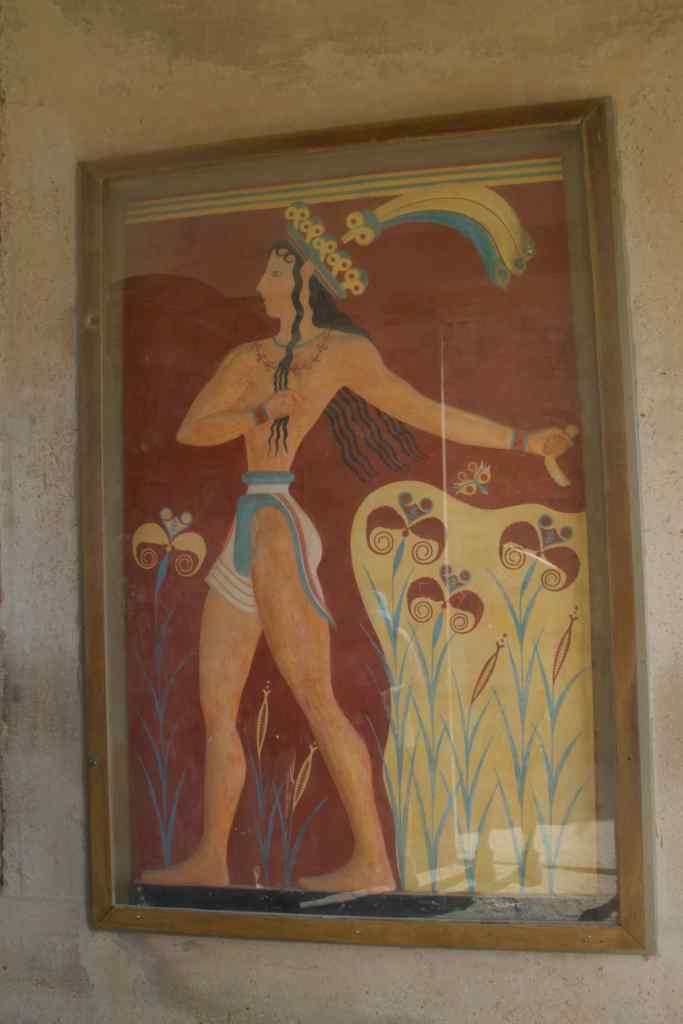

Some of the “restored” artwork adorning the walls at the Palace of Knossos
Despite the unsympathetic restorations the site was quite impressive. Less so was our guide. An academic with a degree in Archeology, she talked to the group like we were a bunch of her students, and we both tuned out quite quickly. It got to the point where it prompted the thought “why would you want walk around what is realistically a pile of old rubble?” With this guide, why indeed!
Elounda
The village of Elounda lies around an hours drive from our base and is made up of a cluster of 7 small villages and a couple of uninhabited islands in the bay. The village was originally part of the ancient city of Olous until the latter was reclaimed by the sea towards the end of the Ancient Greek period. In the early part of the 20th Century Elounda became the harbour servicing the leper colony of Spinalonga which lies a short distance offshore. More recently, the resort has become a summer haunt of the wealthy, including former Greek Prime Minister, Papandreou, and the Saudi Royal Family.
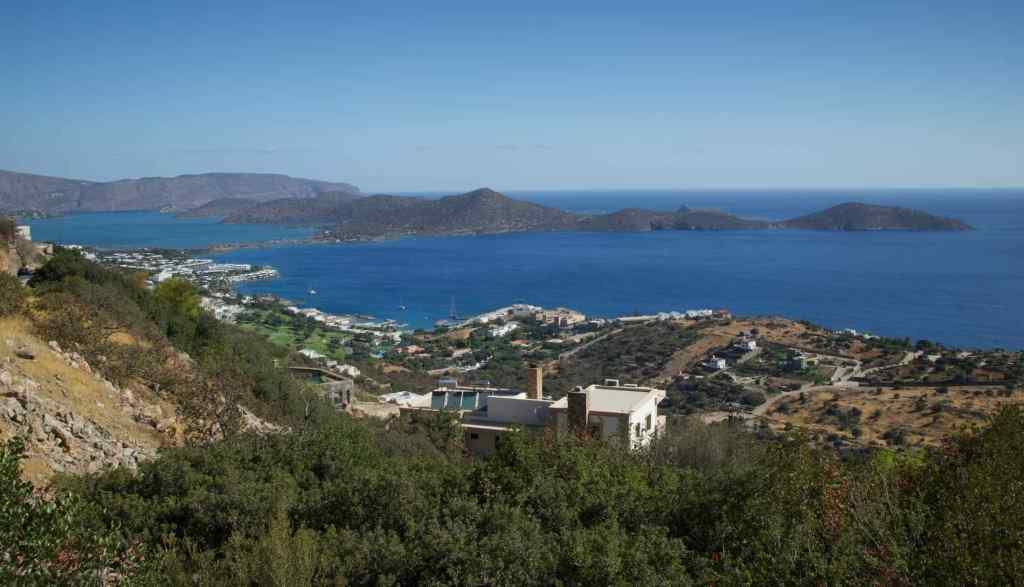

Two views of Elounda from a vantage point above the town. The lower image is an 8 shot panorama stitched in Photoshop
Spinalonga
We were in Elounda to catch a boat to visit Spinalonga, a small island in the bay and the former site of a leper colony. The island was a leper colony from 1903 until 1957 although the last inhabitant, a priest, did not leave until 1962 in order to follow Greek Orthodox church tradition of observance of mourning the dead for a period of 5 years after passing. Previous to this, Spinalonga was for a long period, a defence fortification built by the Venetians in the 14th Century to defend Crete against the threat of invasion and pirate raids. Today the island is a tourist attraction, accessible only by boat. Much of its recent fame came through a novel by Victoria Hislop entitled The Island, published in 2005.


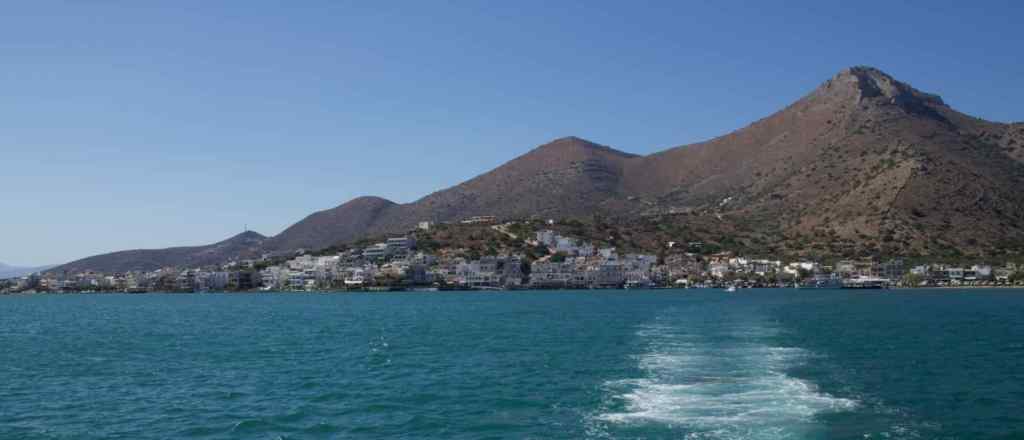
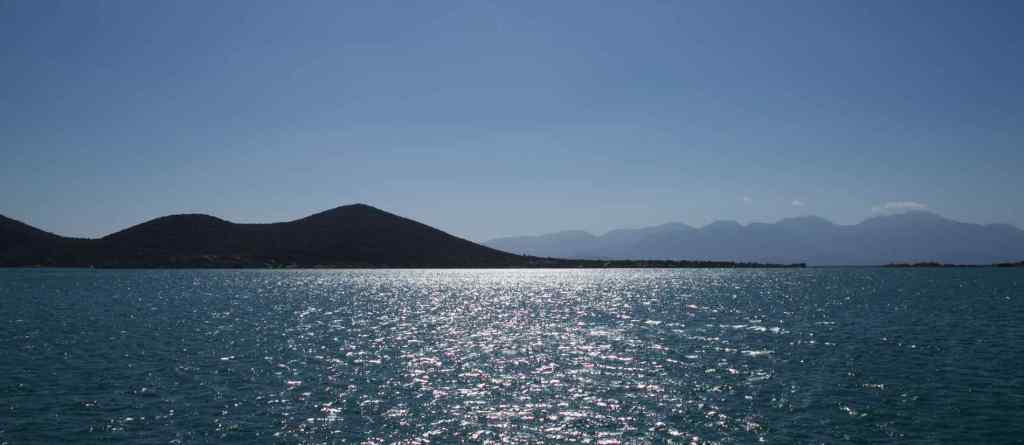
Above: Leaving Elounda for the short trip to Spinalonga
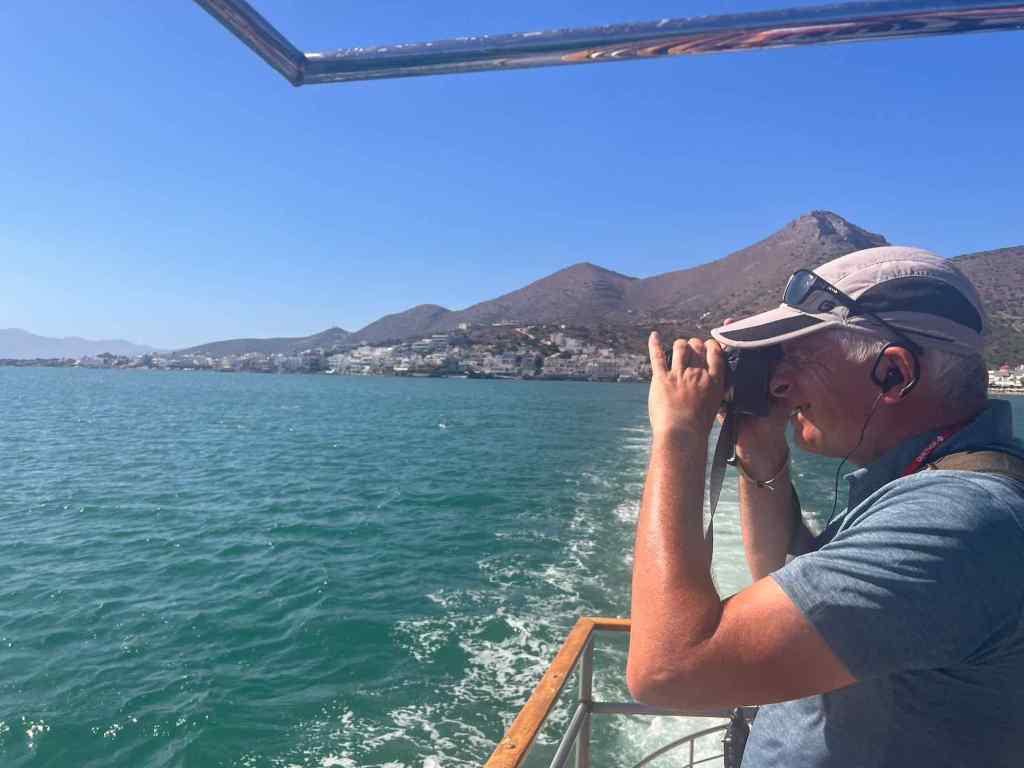
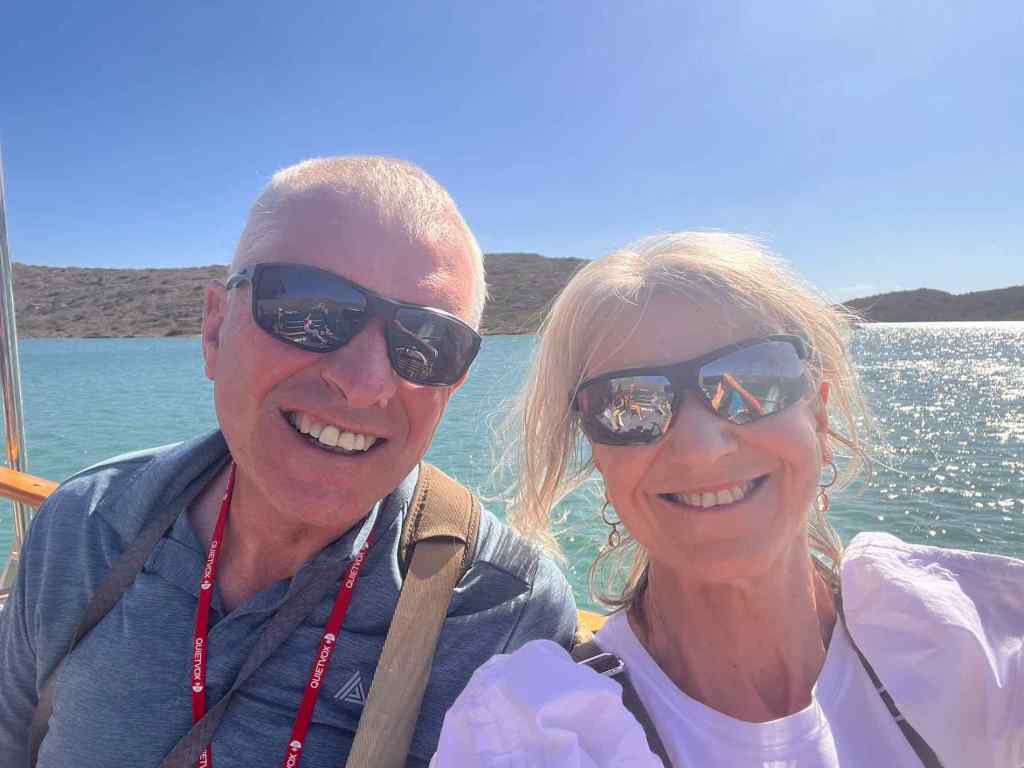
Top and Bottom: We always enjoy a boat trip (Lyn may disagree with this statement)
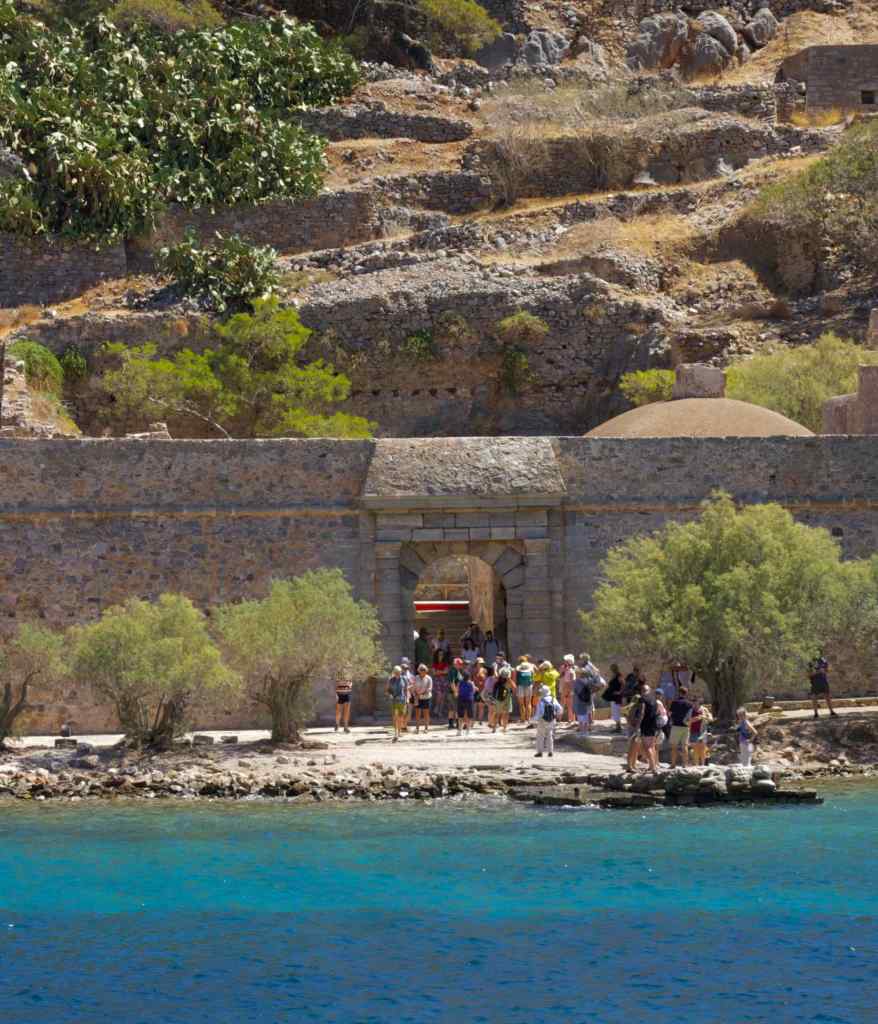
Transit to the island was brief, only 15 minutes from Elounda and we were dropped at the same point as the occupants of the island years ago; Dante’s Gate, a 20m tunnel through which all people walked when they arrived. It was so named because the patients did not know what was going to happen to them once they arrived.
As we walked through with the hoards from other boats who had arrived with us, I got the same sense of foreboding that those poor folk must have felt all those years ago. The island had resident doctors and a hospital so patients were well treated and looked after following their internment.
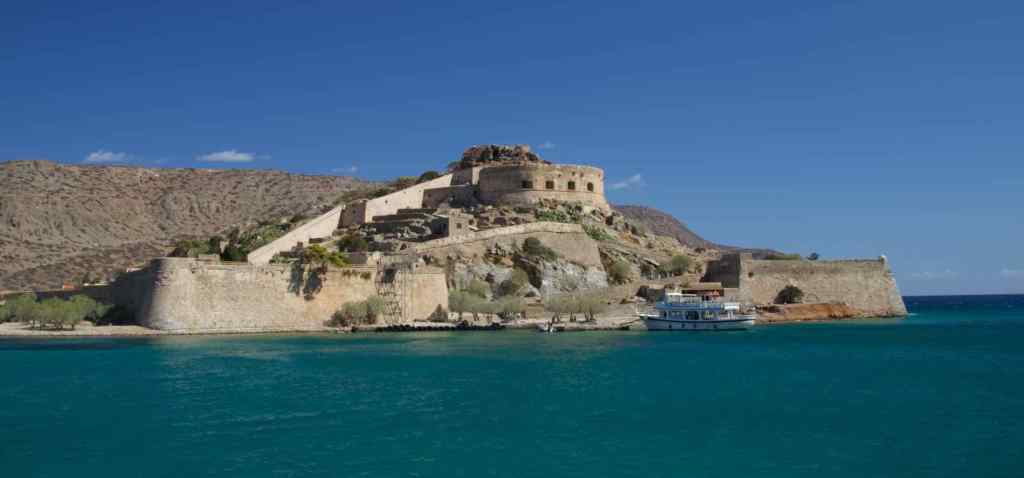
Approaching Spinalonga and Dante’s Gate
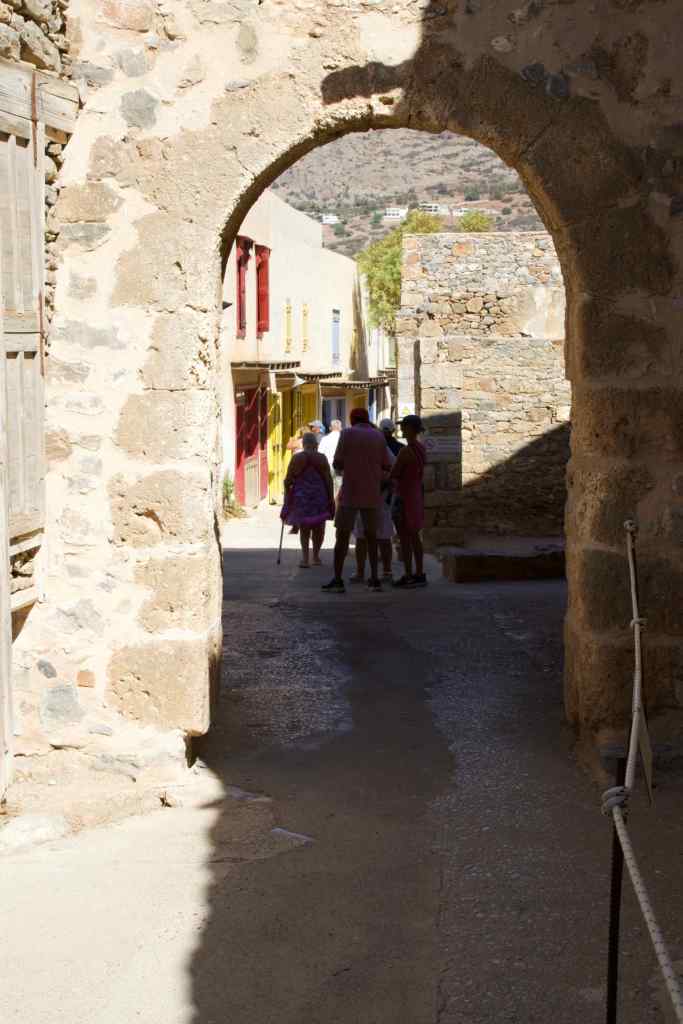


Once through Dante’s Gate shops and dwellings with a hospital nearby
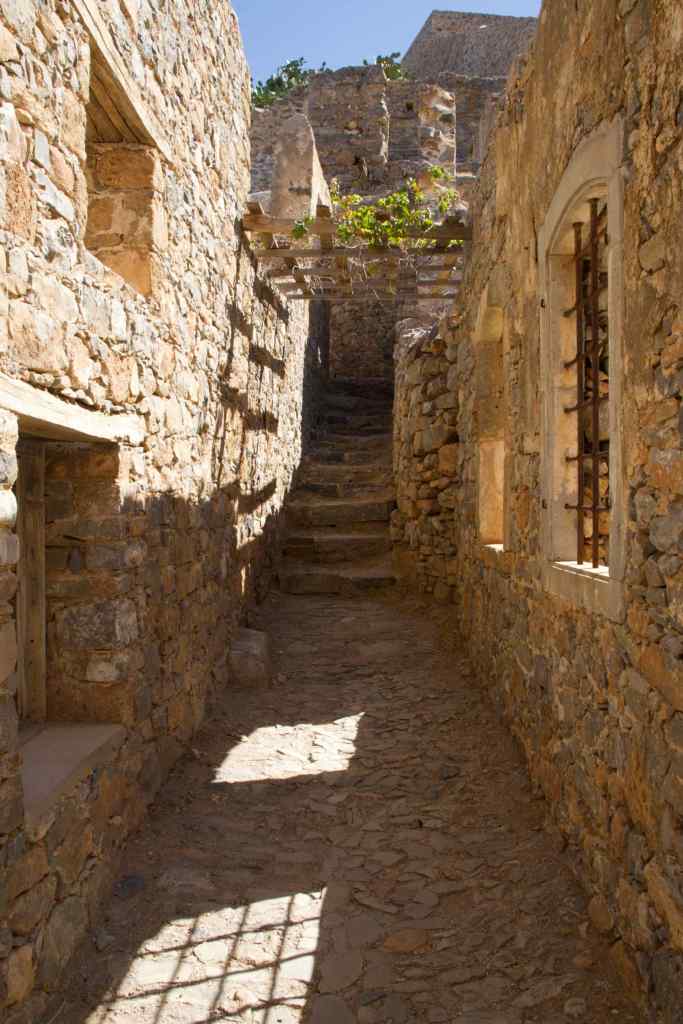

Side Streets – Spinalonga
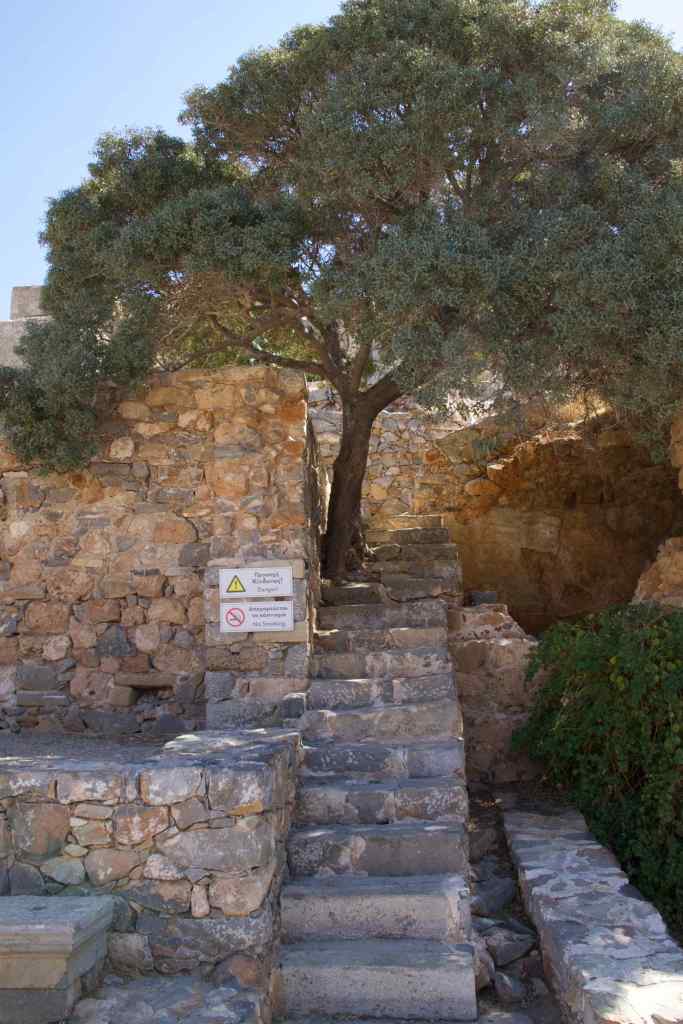
An Olive tree grows out of the side of a building

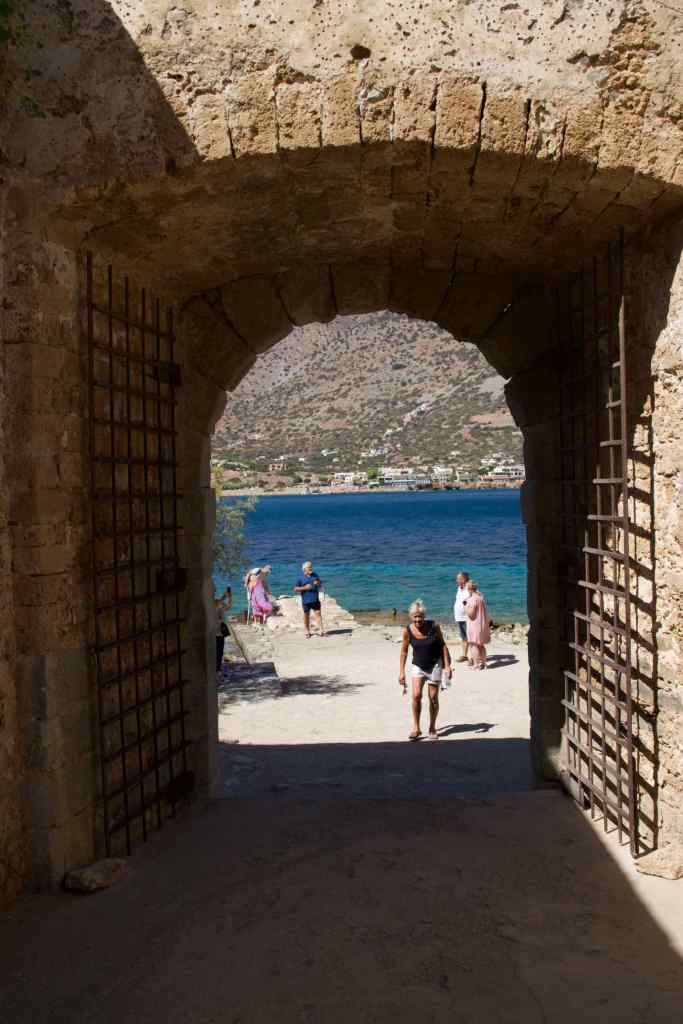
The side entrance to the fortifications
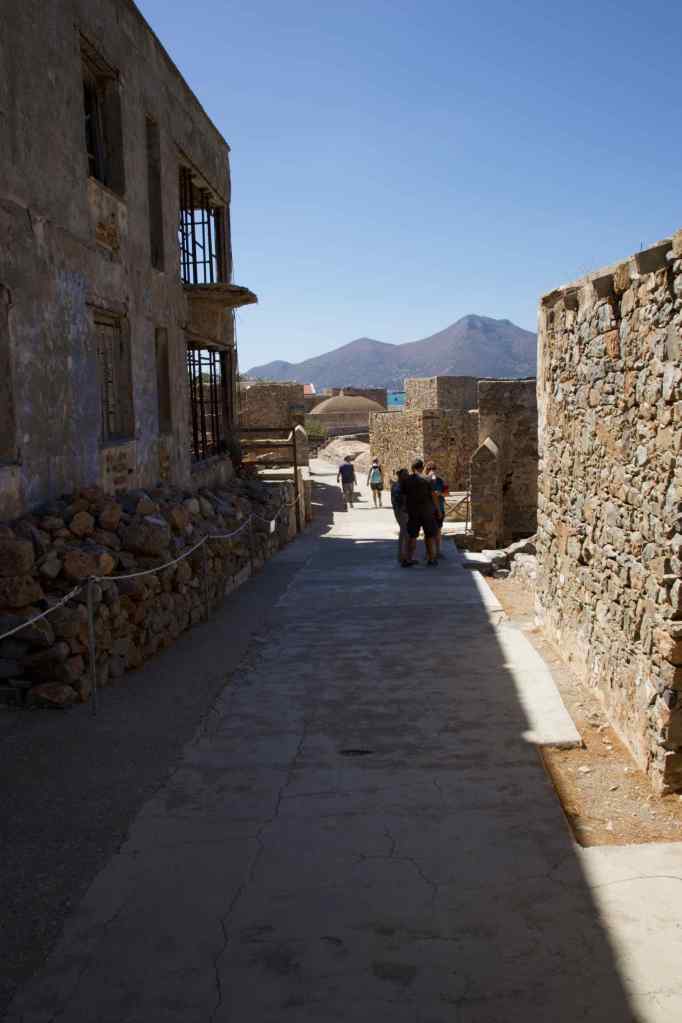
At the “top” of the main street away from the tourists.
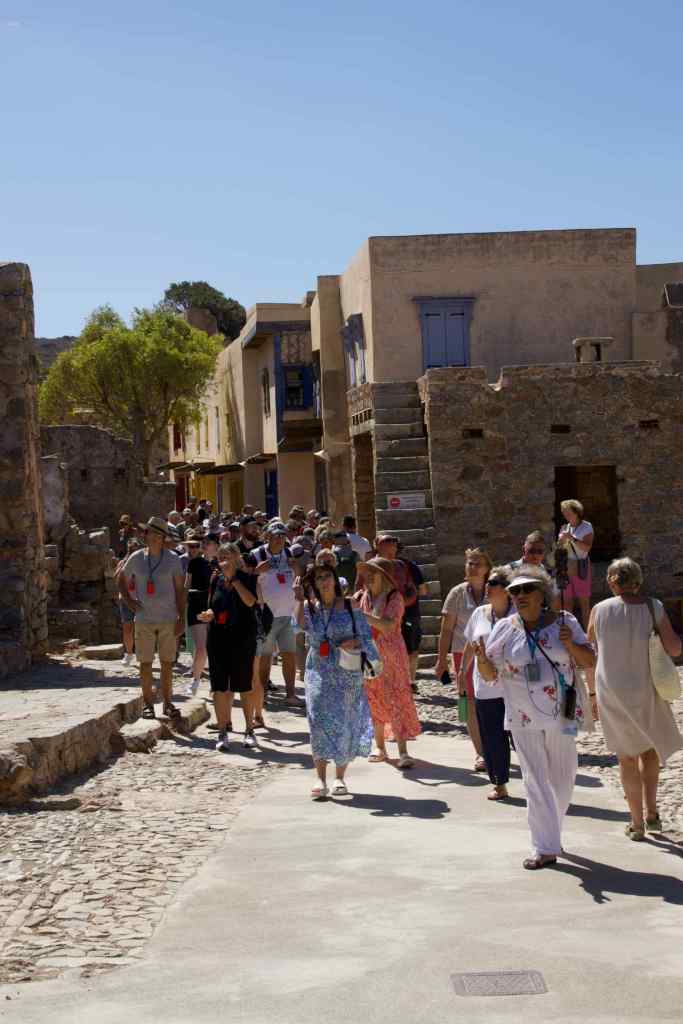
Looking back towards Dante’s Gate and the tourists arriving on the island

Lyn’s bad hair day – Us on Spinalonga
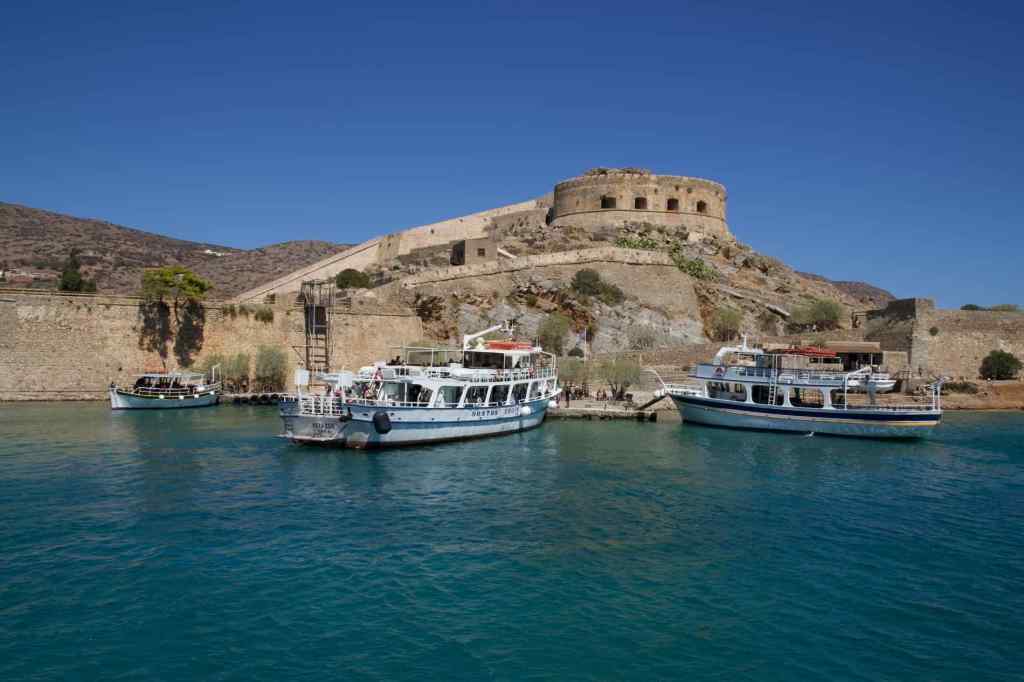


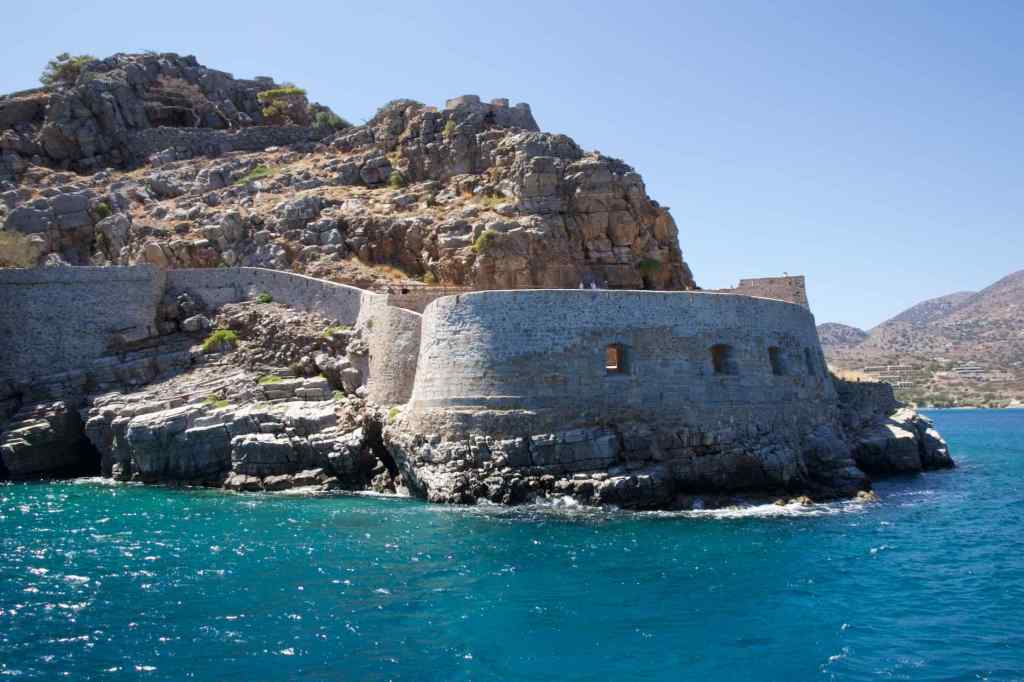

Leaving Spinalonga harbour we took a “round the island” trip before returning to Elounda
Agios Nikolaus
A short distance down the coast from Elounda is the coastal town of Agios Nikolaus. A local website describes “Ag Nik” as a cosmopolitan seaside resort which attracts thousands of visitors every year”. We drove in after visiting Spinalonga and it seemed, even in September, that all the tourists had come at once. The coach park was full so we were dropped off in a space close by the harbour and given two hours to explore! The harbour front was a myriad of cafes and restaurants and most were full, but we did find somewhere close by for a coffee which was our first priority.
The main attraction is in the centre of the town a small harbour grown up out of an almost landlocked lake. Lake Voulismeni has many myths attached to its existence. It is said that it is a bottomless lake and that it was formed after a volcano erupted. It was also believed that because of this eruption the island is linked to Santorini by a series of tunnels. Given that Santorini is a couple of hours away by boat, that is even more unlikely than it being bottomless! It is also suggested that Athena and Artemis continue to bathe in the waters, though as they are figures from ancient Greek mythology I doubt they are still around, not in body anyway.
In reality Lake Voulismeni is a small area of water about 50m deep and forms a natural harbour for the town. The lake is linked to the sea via a short narrow canal. As with nearly all harbours on Greek Islands, a bustling restaurant and bar trade has sprung up over the years and this location was no exception.


Images of Lake Voulismeni in the centre of Agios Nikolaus
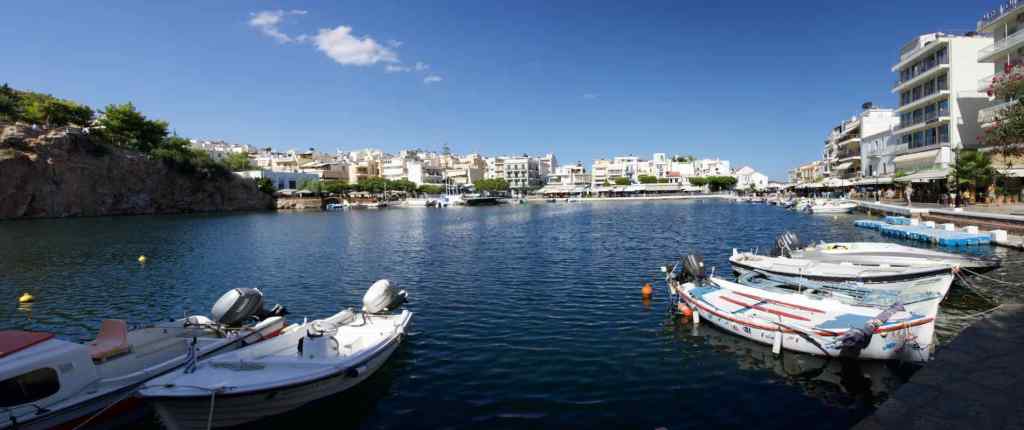
8 shot panorama of Lake Voulismeni
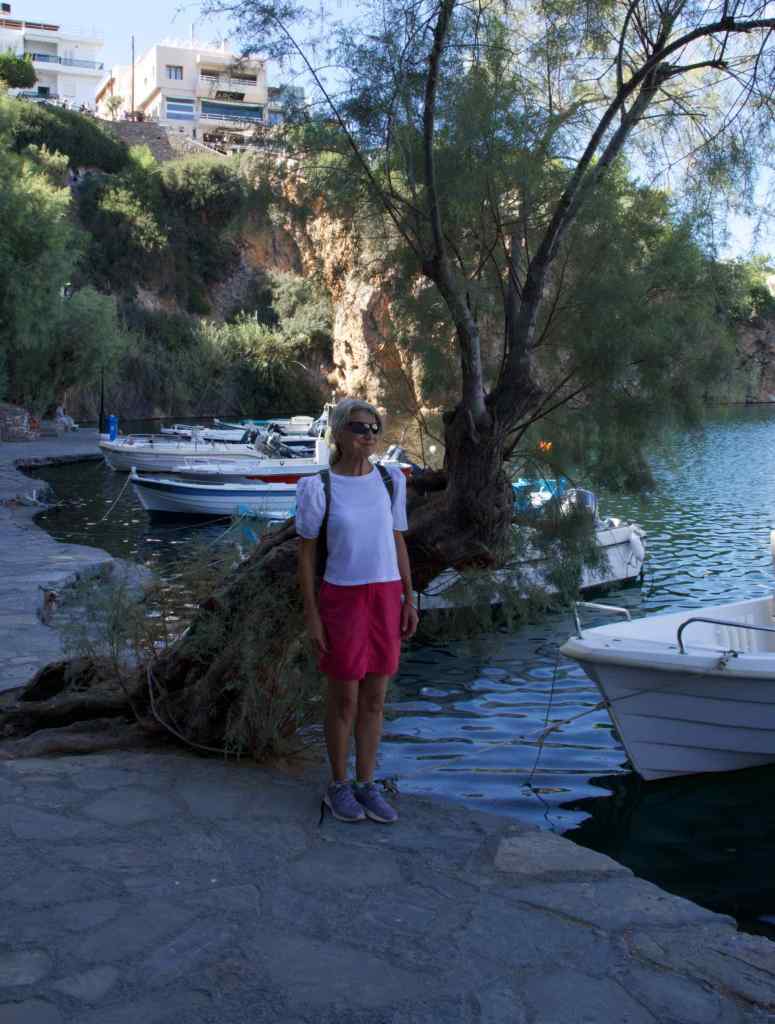
Lyn admires the lake view

Us at Lake Voulismeni
On the quayside in the harbour is large bronze sculpture of a bull with a figure astride its back. This sculpture represents the story of a Phoenician princess by the name of Europa. According to the story, myth or legend (depending on your view) she was abducted by Zeus who appeared in the form of a bull to carry her away. Europa was the mother of King Minos of Crete, and the continent of Europe was named after her. It is an enduring Cretan story now commemorated by this sculpture which was erected in 2012. The work is meant to represent unity, peace and solidarity among the people of Europe.

Zeus, in the form of a Bull, with Europa, mother of King Minos
Cats of Crete
Our hotel complex, as well as looking after guests from all over Europe, also has several permanent feline residents. A number of cats patrolled the grounds, seeking attention from the human visitors, scrounging food wherever they could and generally looking cute. They were regularly fed by the staff who left bowls of cat food out in discrete locations around the complex. Although I will never own a cat, I do like them and they were lovely to fuss and were quite affectionate in return.


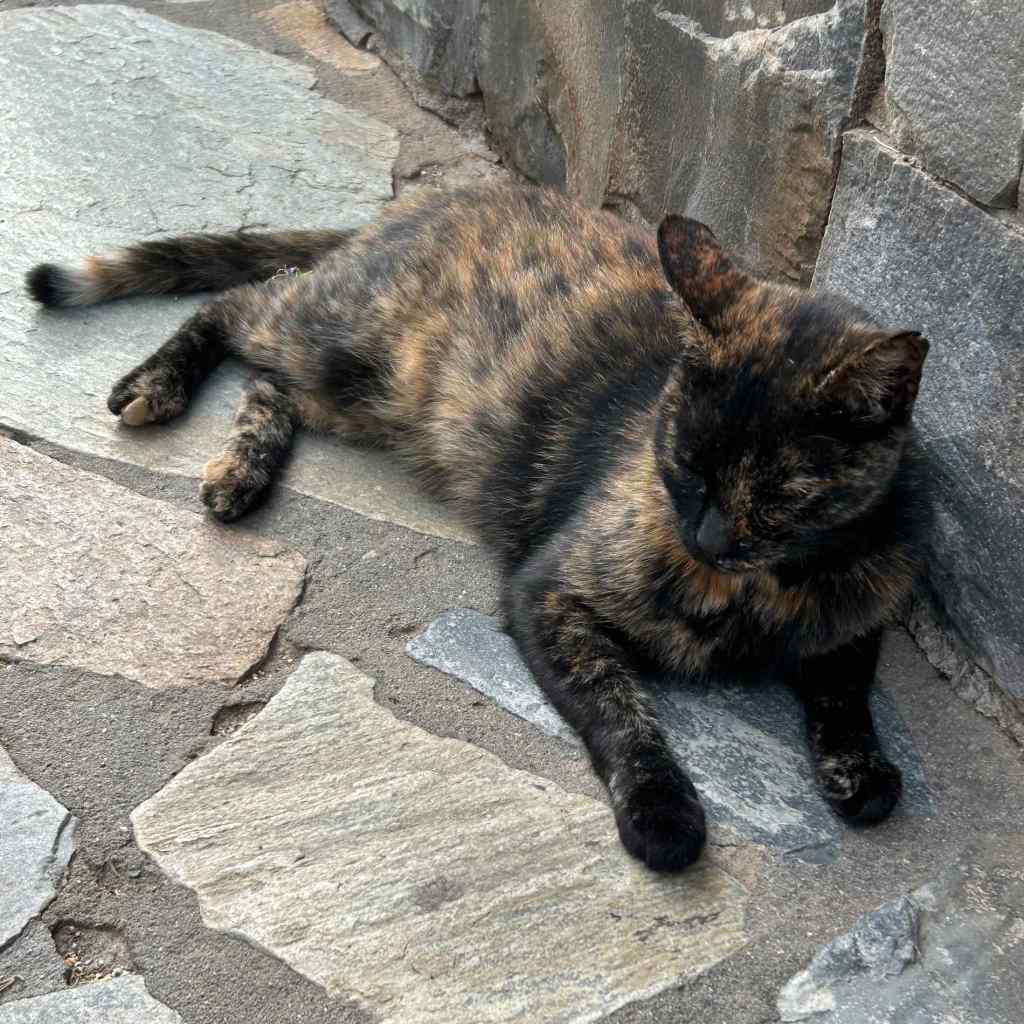

“The Cats of Crete”
The “Arty” Bit
Regular followers of my musings will know that I try and put some creative stuff into my blogs and, although the opportunity was limited I still managed a few sunrise shoots and the odd “abstract”


Sunrise – Same the world over, just the location is unique
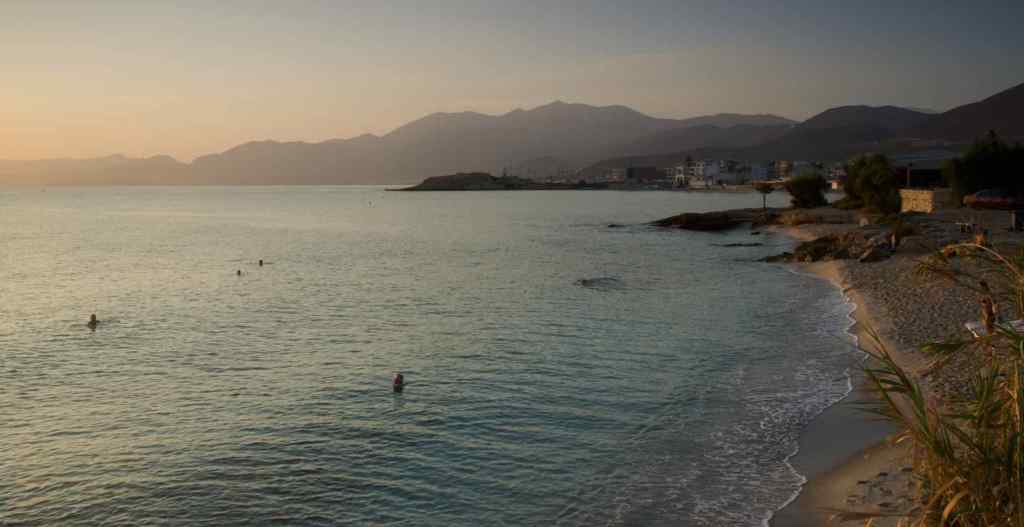


Three more – after sunrise Hersonissos
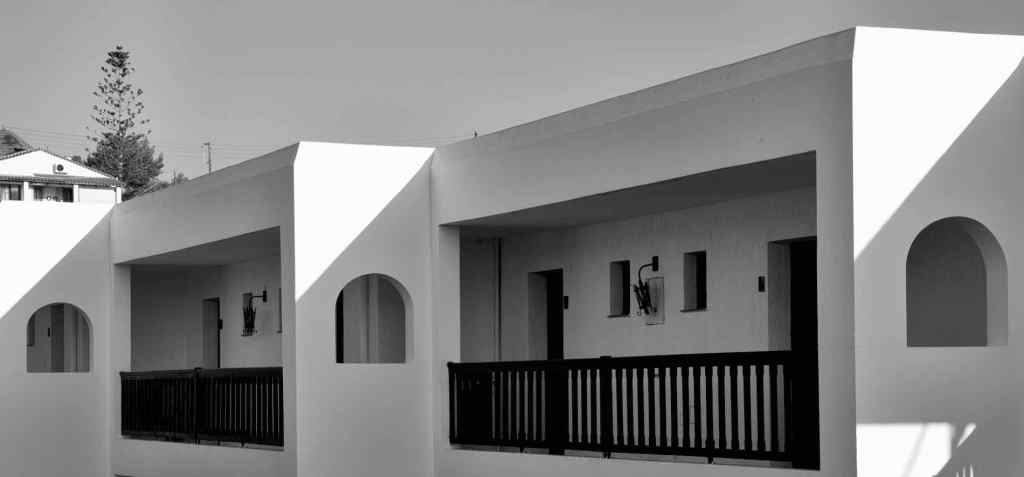
Underneath the Arches
Flowers
Being late summer there were not many wild flowers about. The ground was hard and scorched, but as we explored we would stumble across the odd cultivated garden with occasionally the odd flower bush hanging over the fence or wall.
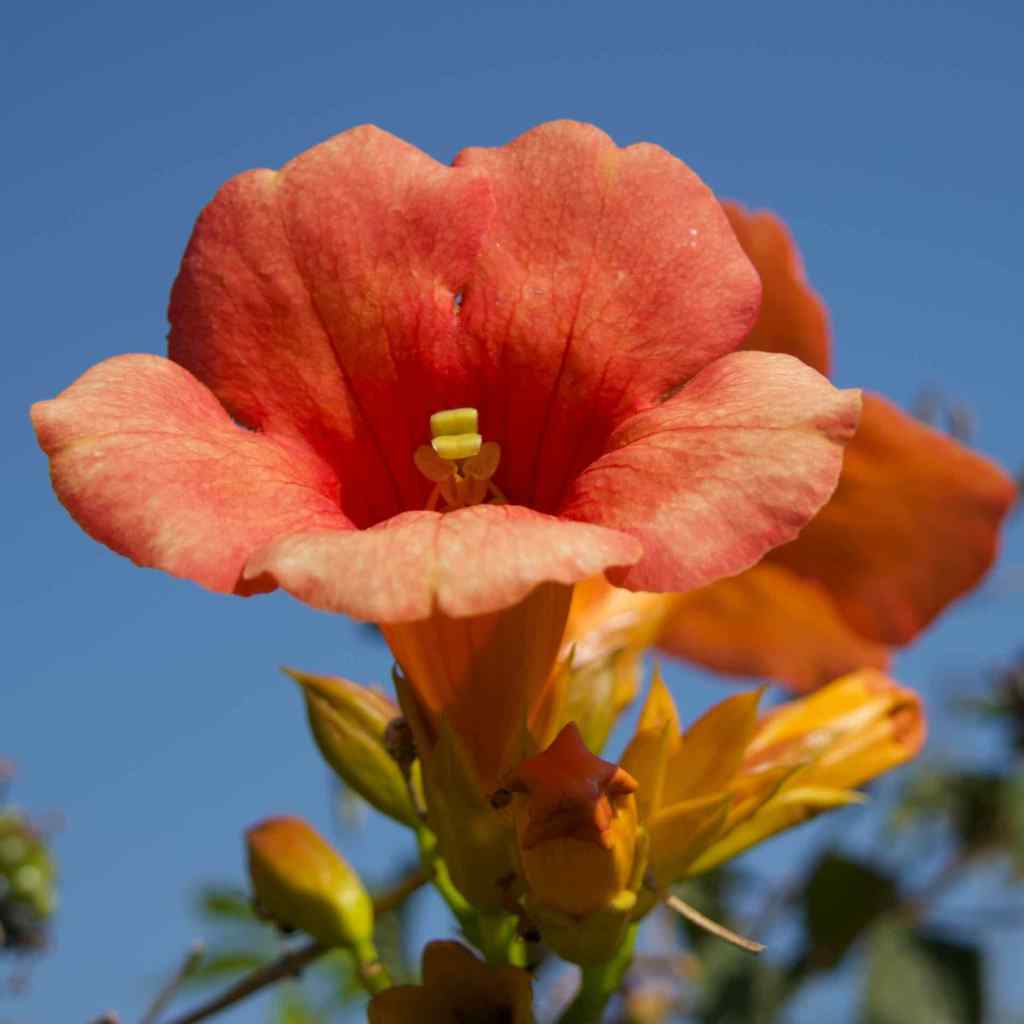

Not sure what these are but they were lovely and colourful.

A display that Lyn found

Olive Trees – Located on the rocky point near St Georges Chapel. I know they are not flowers, nor are they in a garden but the setting was lovely and a good conclusion to the blog.
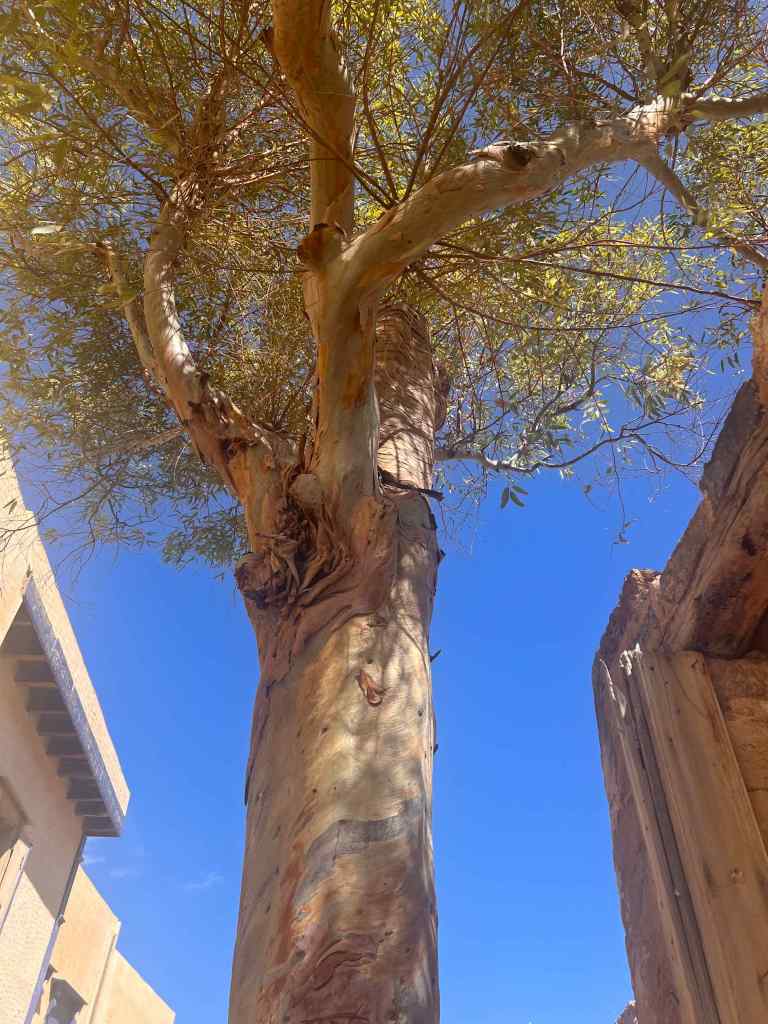
Lyn spotted this tree growing in a “side street”on Spinalonga. I love the “papery” bark on this tree
So ended our Greek island sojourn. As a week’s down time it was very pleasant and warm which is what we wanted. I doubt we will be back to Crete, despite only seeing the east side of the island, there are far too many other places to visit.
 davyh photography
Interesting and beautiful place to visit. I’m with Lyn on boating…
LikeLike