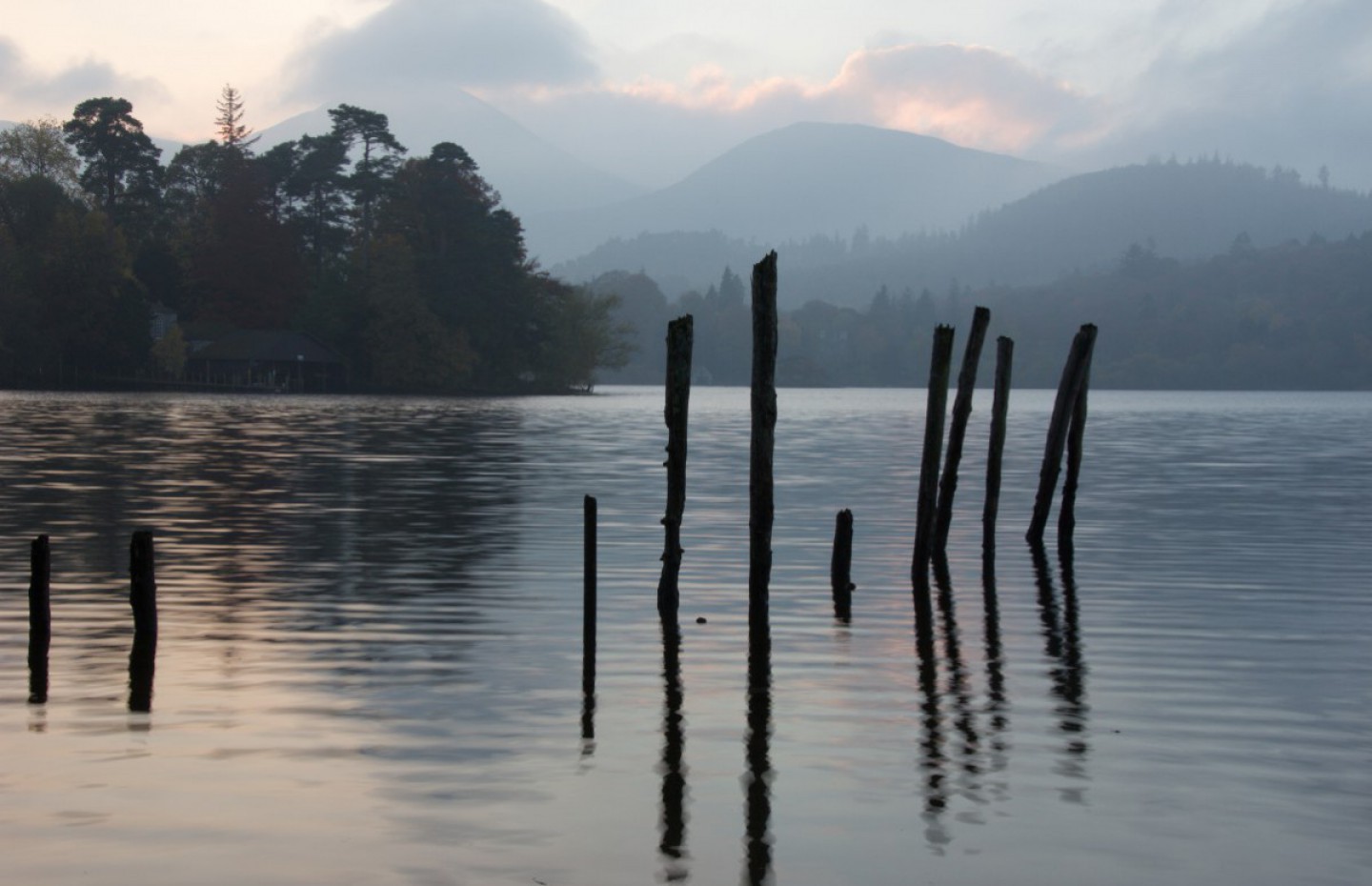
October/November 2024
The end of October and early November was a busy time of year for me the photographer. First a trip to Suffolk and North Essex with my two photography buddies (“The Gang of Three”) and a week later, off to the Lake District for a three day photo workshop with Sarah Howard of Image Seen Photography.
Pin Mill is a landscape photographers magnet. It is a small village on the tidal stretch of the River Orwell in Suffolk known for a few derelict old wooden boats. Sadly, these have all seen better times but the way they are hauled up on the beach, rotting slowly, and the fact that they are “kissed” by the tidal river twice a day, means that there are often groups of photographers creating images of the boats or taking a meal or a drink in the nearby pub,
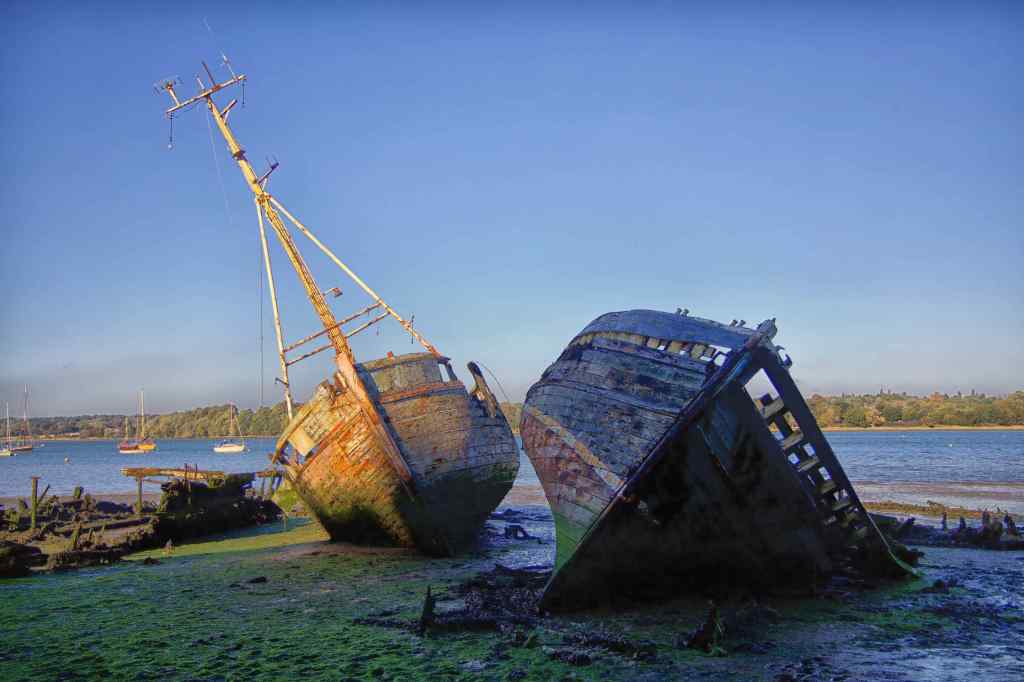
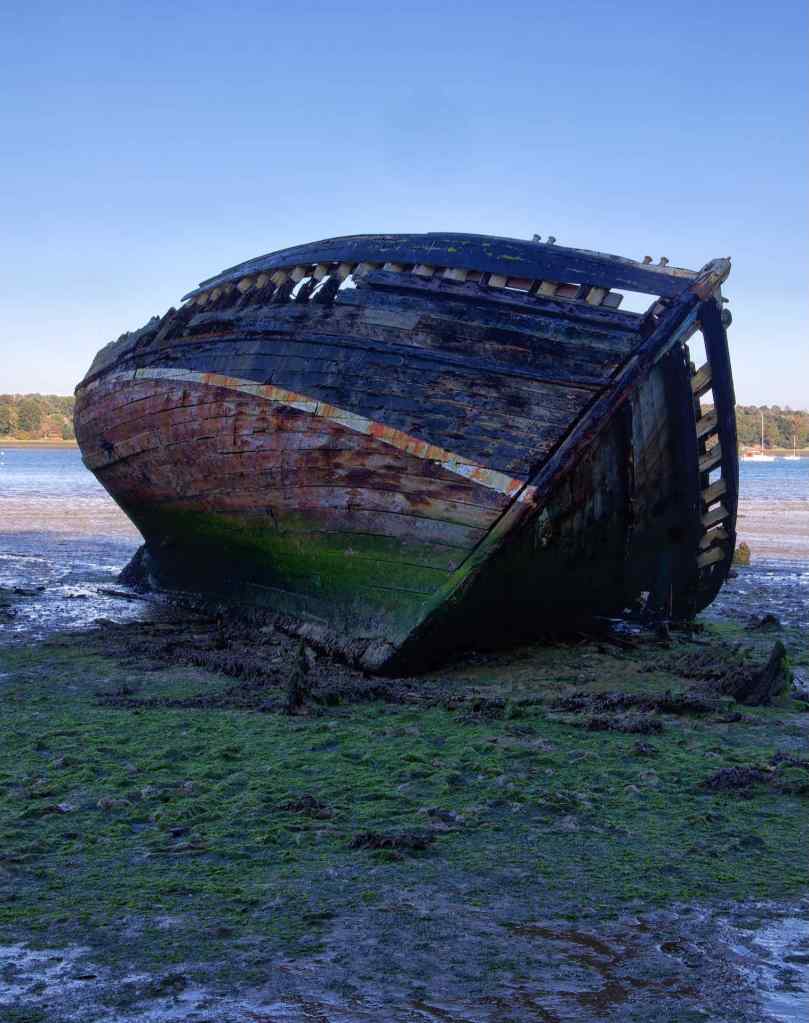
top and Bottom: Two images of the most complete boats at Pin Mill. The others have more bits missing than present.
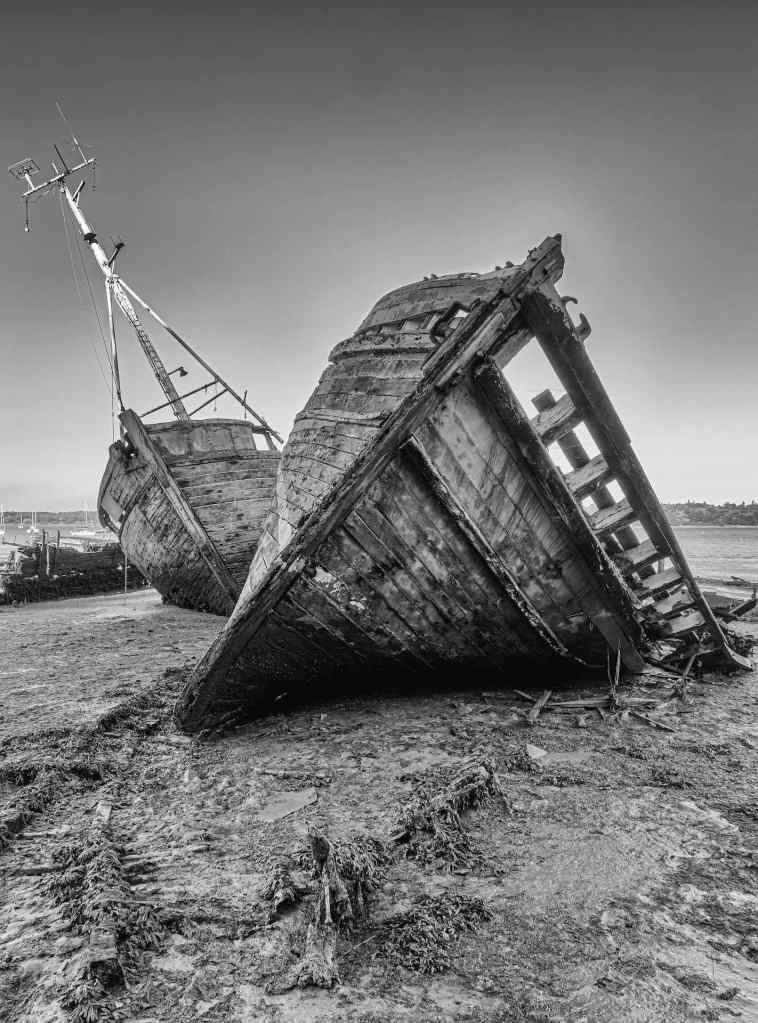

A couple of mono images
The night stop for the second part of the trip was Maldon in North Essex, a small town on the estuary of the River Blackwater. Nearby is Heybridge Basin which was ideal for a dawn shoot.

A view of Maldon harbour at sunset.
We arrived at Heybridge Basin about 45 minutes before sunrise to a flat calm scene with boats moored strategically around the estuary which provided useful subjects for our pictures.

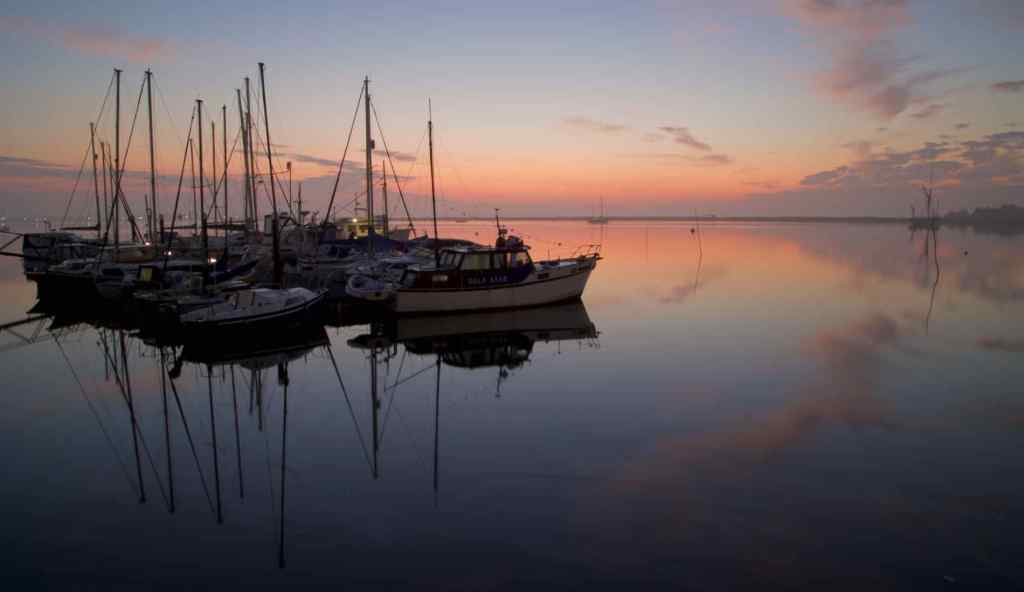
Heybridge Basin – Boat collection just before sunrise
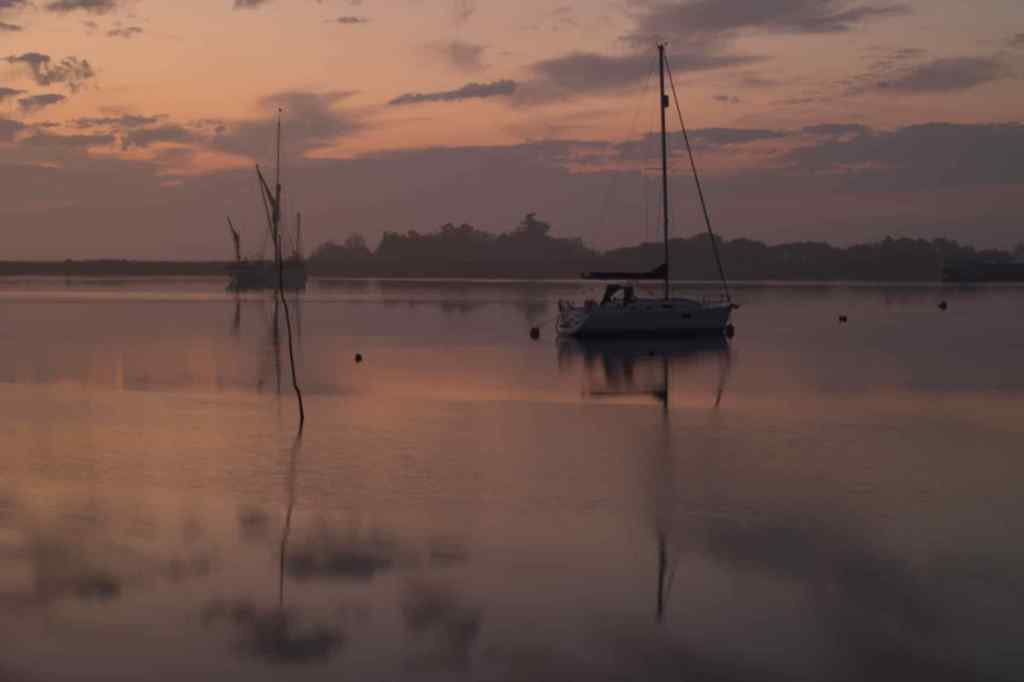

More From Heybridge Basin at sunrise

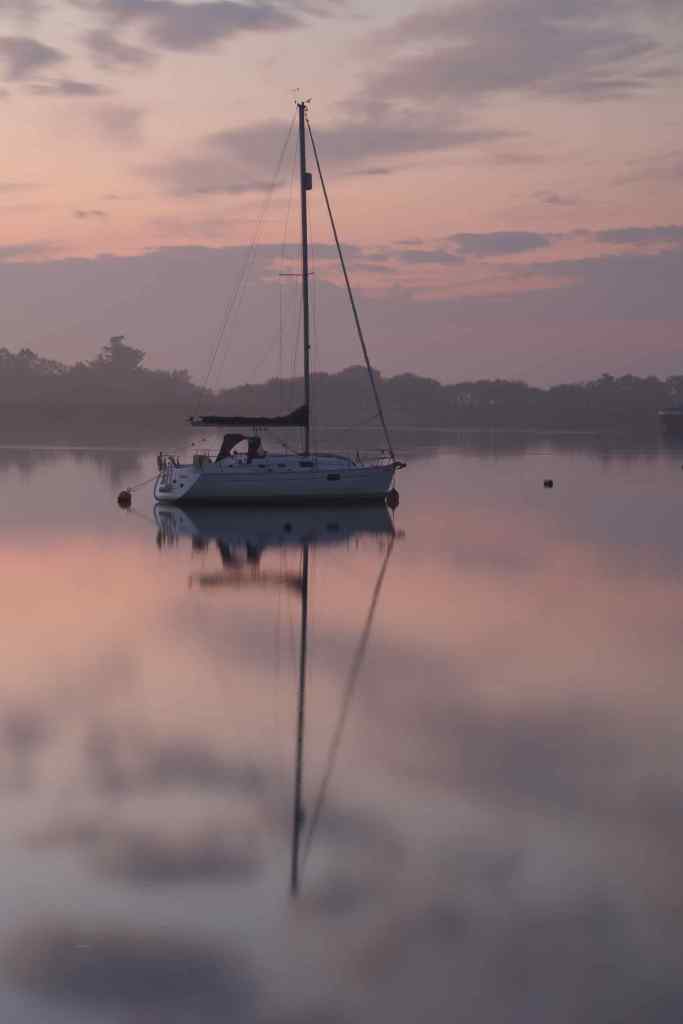
After a special sunrise experience at Heybridge Basin we headed for Tollesbury, a marina a short drive from Maldon. The tide was receding which revealed a myriad of muddy channels surrounded by tough low growing plat life. Photo opportunities were uninspiring but I managed three worthy of blogging.

The Lightship at Tollesbury

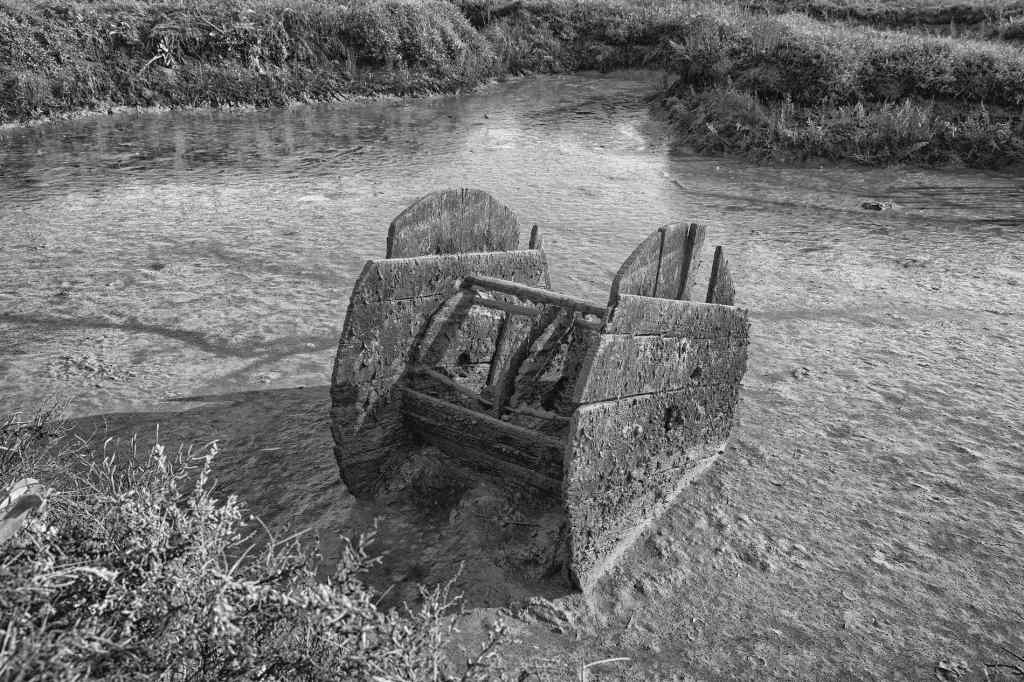
Trying something different – an old cable drum rotting in the mud.

One of a number of house boast moored up at Tollesbury – this one recently renovated and now occupied.
We spoke to one of the owner of one boat who told us a little about life on houseboat. It is certainly peaceful and special if you like birdlife and the night sky is amazing, with little or no light pollution. It can be a bit dodgy if the tide is in during a storm as boats can still break their moorings.
One of the challenges when the subject mater is not very exciting is to try and create images suitable for conversion to black and white. I tend to look for textures, detail and contrast that would look good in mono. Sometimes a featureless landscape can come to life when converted to mono.
Below are a selection of images given the mono treatment.
From Essex to Cumbria
At the start of November I had booked a photo workshop in the Lake District. I had decided to head a day early, and stay in a little village by the name of Ravenglass, a short drive from my favourite area of the Lakes at Wasdale. The intention was to take some autumn images of Wast Water and the mountains around Wasdale Head. As you can see from the images below, it did not go to plan. It rained, it was foggy and thoroughly dull. In fact this would be the theme for the next four days. I would describe it as living under a Tupperware box, so dull and uniformly grey was it.


Two images of Wast Water, the top image looking South, the bottom image looking North.
One of the joys of visiting the Lake District at this time of year is the autumn colours. They are at their best when the sun shines, bringing the golden colours to life at most times of day. As I have said before the sunshine was in very short supply but as Landscapers we have to make the best of the prevailing conditions. It meant we just had to work little bit harder to come up with good images.
Our hotel was a five minute walk from Derwentwater so it was natural to meet each morning for a dawn shoot. Some of the images below are from the three visits at dawn. There was no sunrise to speak of, just an emergence from dark into a dull light. Nevertheless I managed to get some very good results.

A line of rowing boats on the shore at Derwentwater
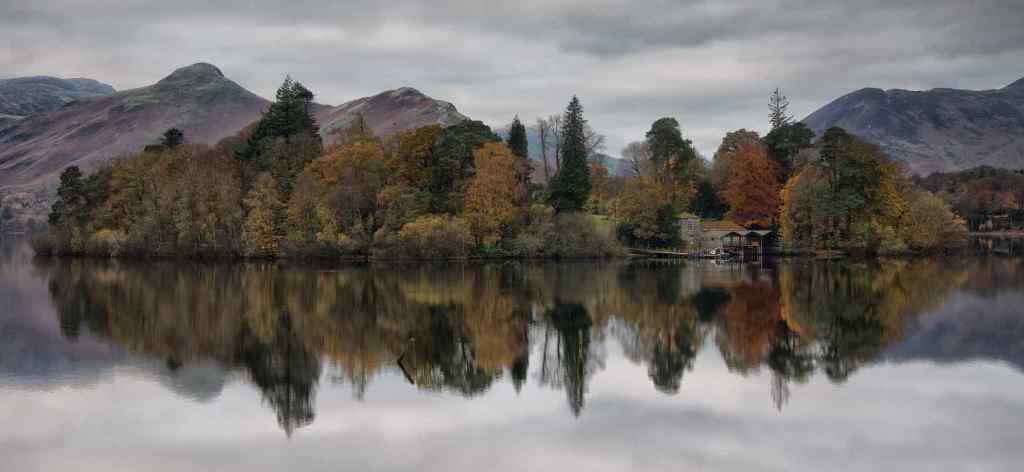
Derwentwater Island With Cat Bells in the background

Reflections – the Boathouse on Derwentwater Island

Looking south down Derwentwater
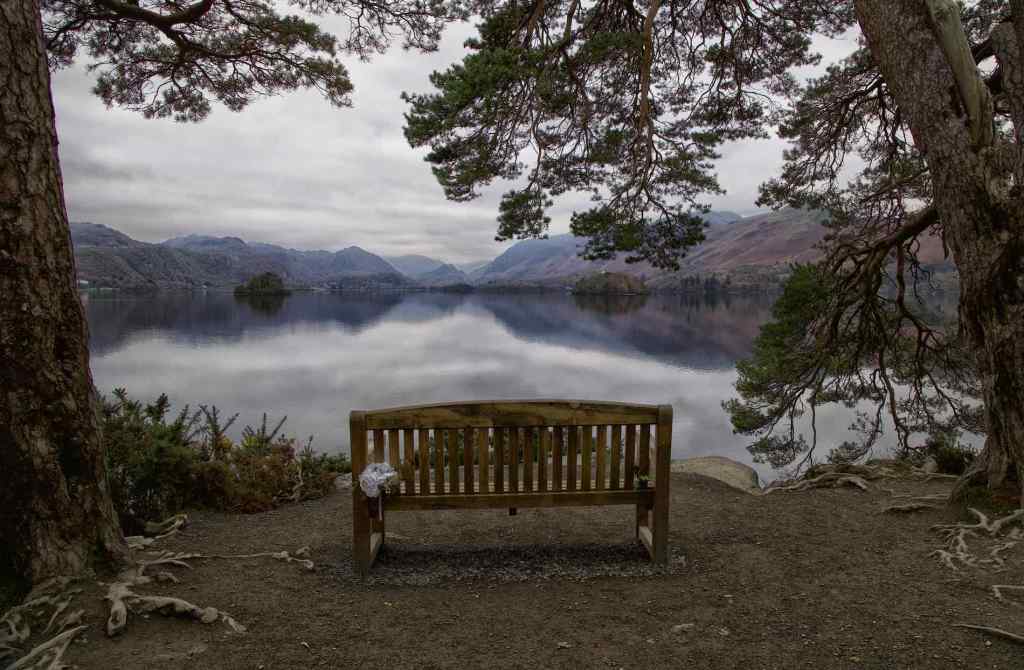
View From the Bench at Friars Crag

The fence on Stranshag Bay Looking towards Castle Crag in colour (above) and Mono (Below)

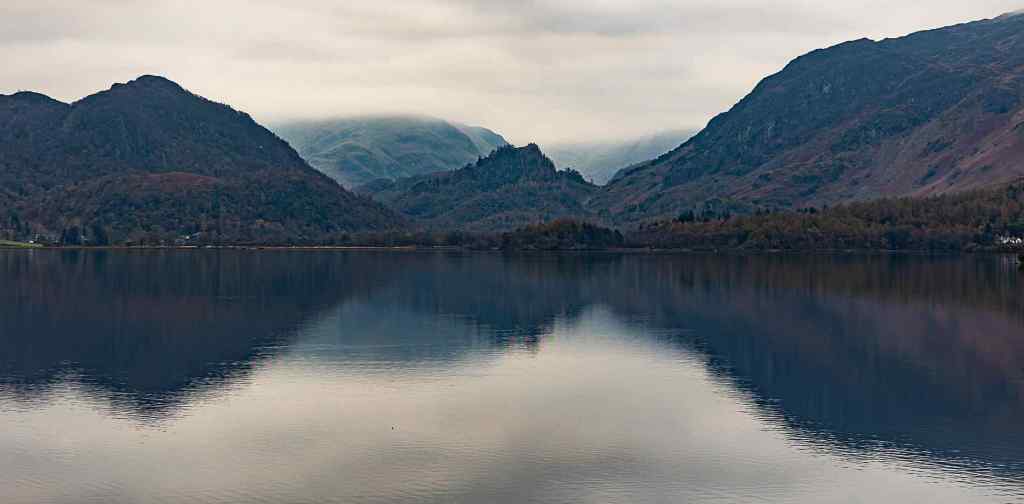
Castle Crag
Buttermere and Crummock Water
Buttermere and Crummock water are about 40 mins away by road. More shots below:


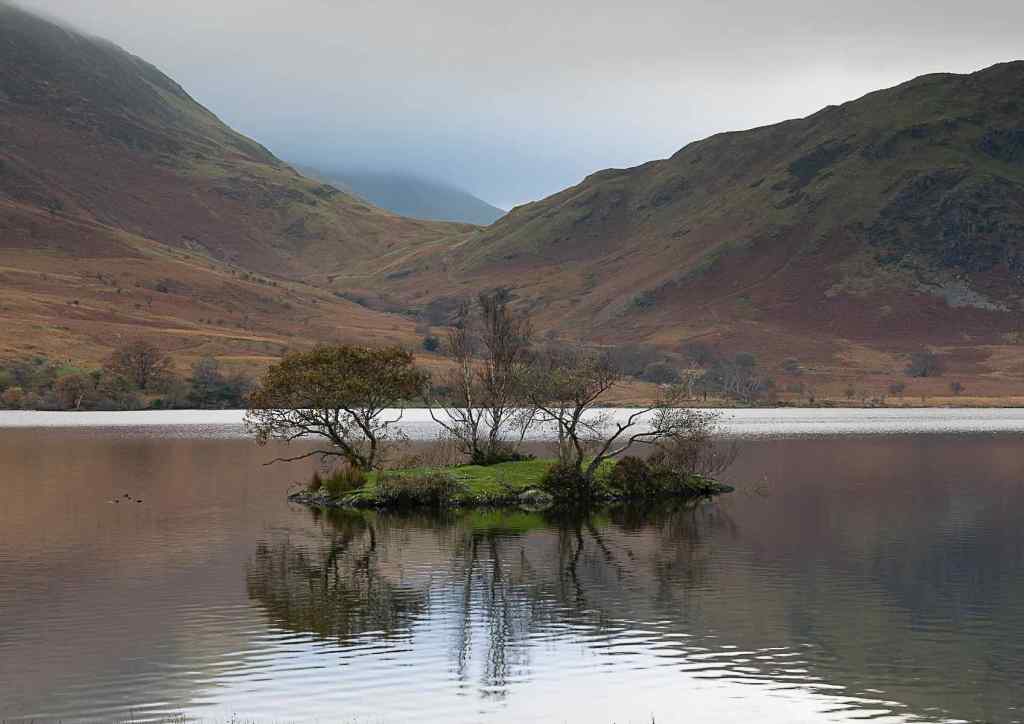

1 – 4 above: Crummock Water – 4 different views.

Buttermere looking towards Fleetwith Pike
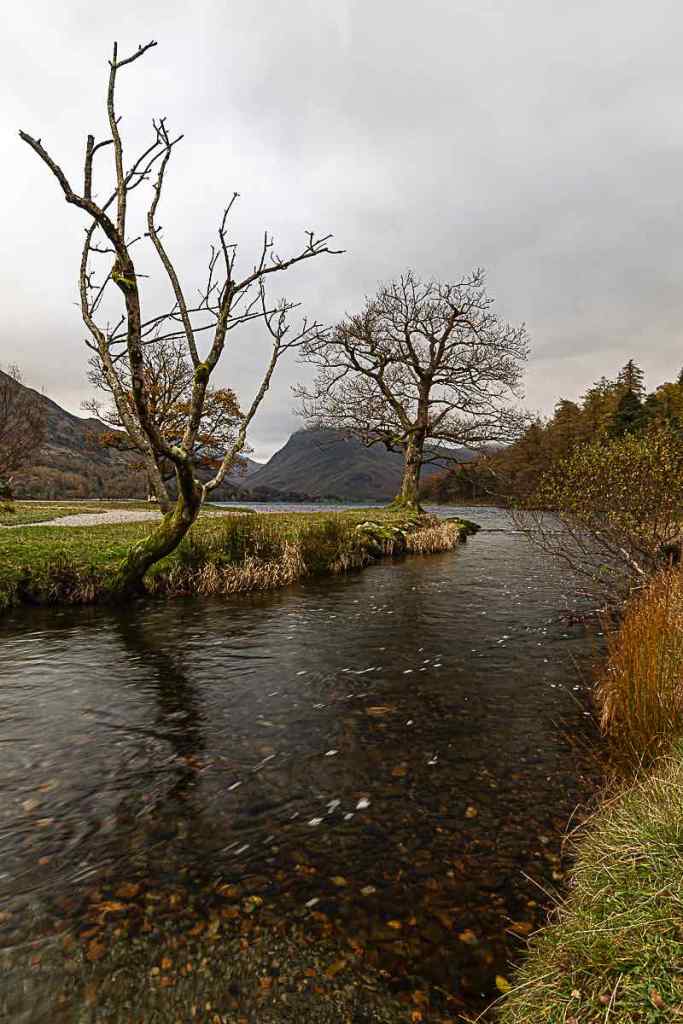
Stream flowing out of Derwentwater

Ashness Bridge
At the north end of Ullswater is a large waterfall named Aira Force. Above this are a series of rivers, and smaller waterfalls named High Cascades. There are a wide variety of falls of differing sizes and ferocity. Below are four of the more interesting sites that we visited without going all the way to Aira Force.
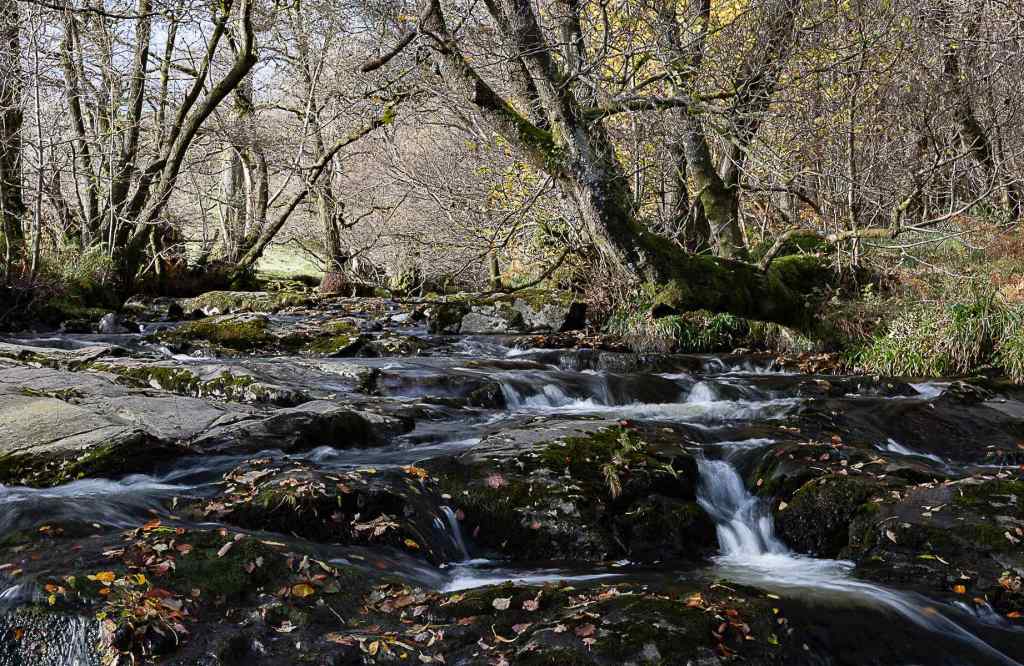
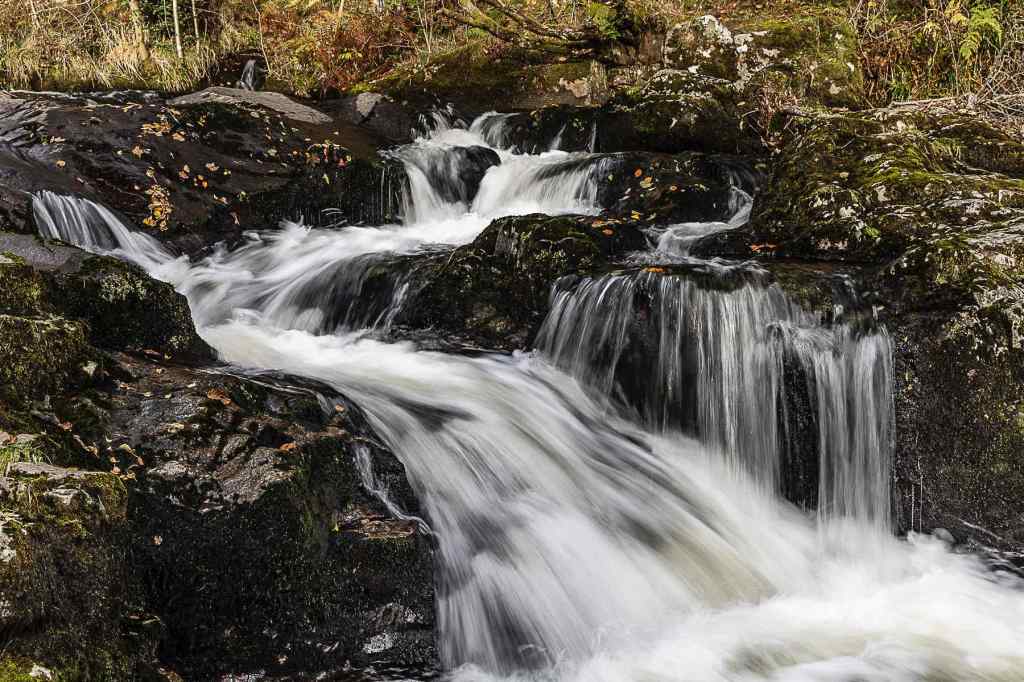
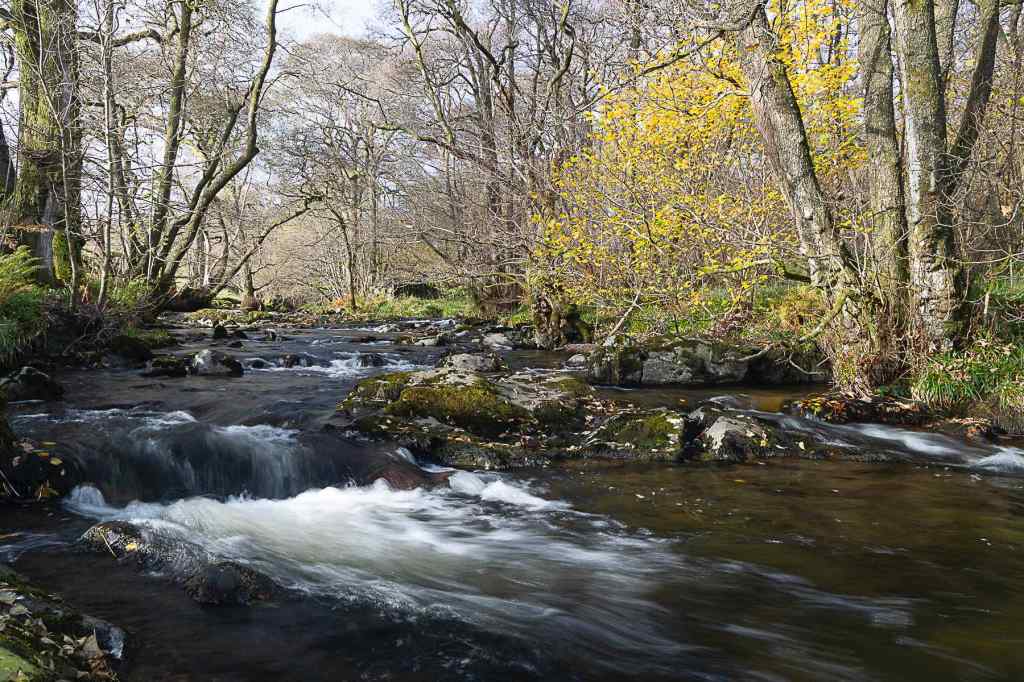
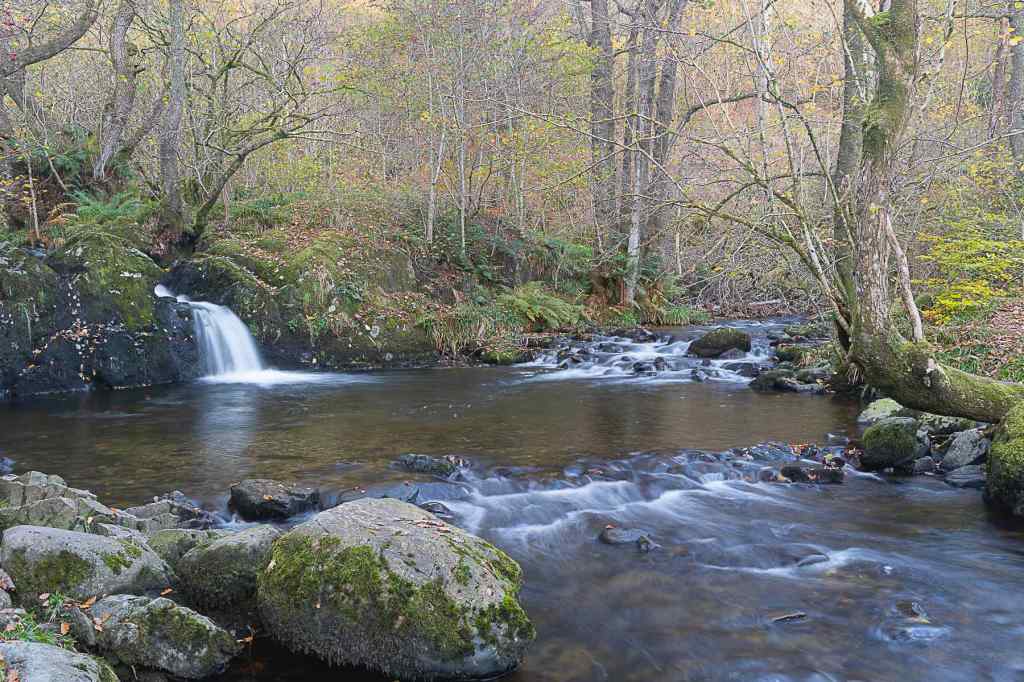
Four sections of waterfall on the High Cascades run down to Aira Force.
Finally, on this grand tour of the Lake District we headed to a location I have wanted to visit since I started coming to the Lakes.
Blea Tarn is located to the northwest of Skelwith Bridge up in Little Langdale and at anytime it is a honeypot for walkers, wild swimmers and campers and landscape photographers. This morning, despite the dull weather was no exception. Wild swimmers were causing ripples in the mirror calm waters by the woods.
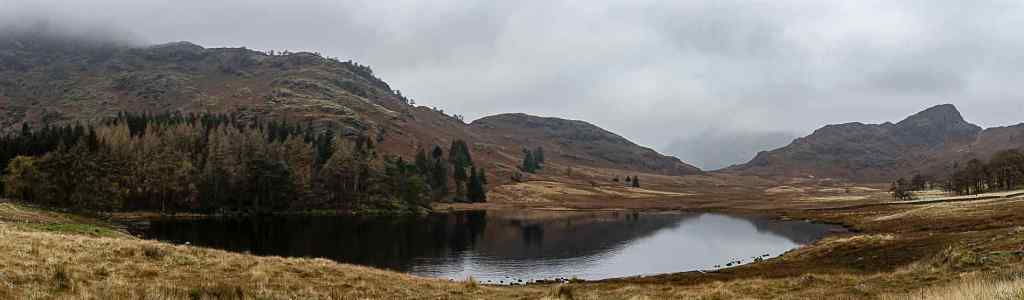
Above: An 11 shot panorama of Blea Tarn blended in photoshop

Another of the iconic locations around Blea Tarn

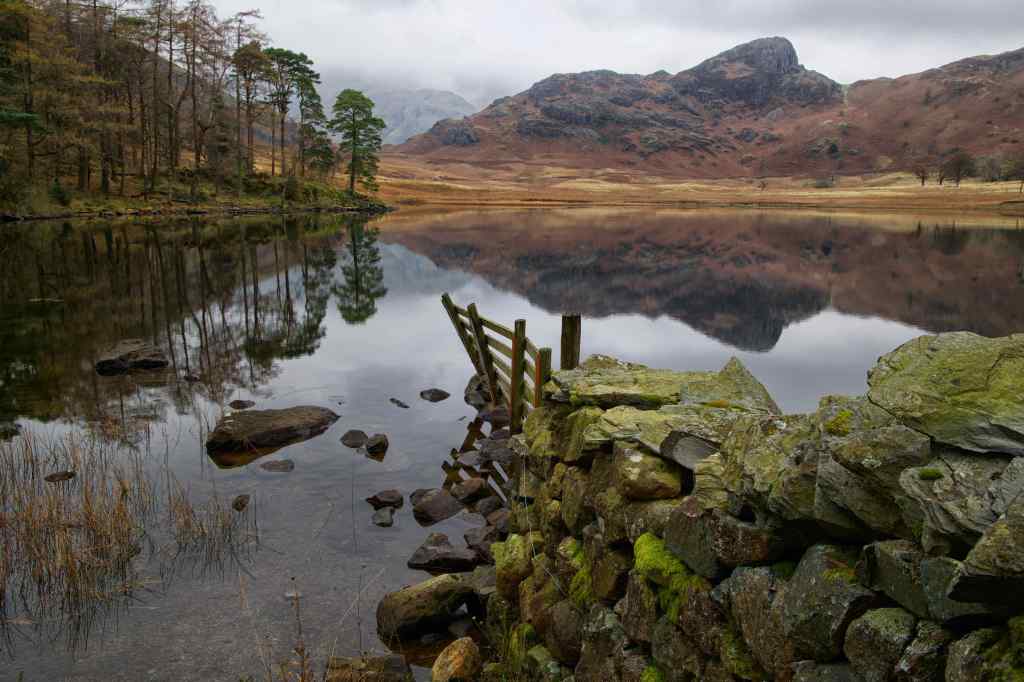
Two more from Blea Tarn
Our visit to Blea Tarn concluded the workshop and as we departed the drizzle returned. It was an excellent workshop as usual with Sarah, and I came away with some cracking shots which I am sure will end up on my wall at some point.
 davyh photography