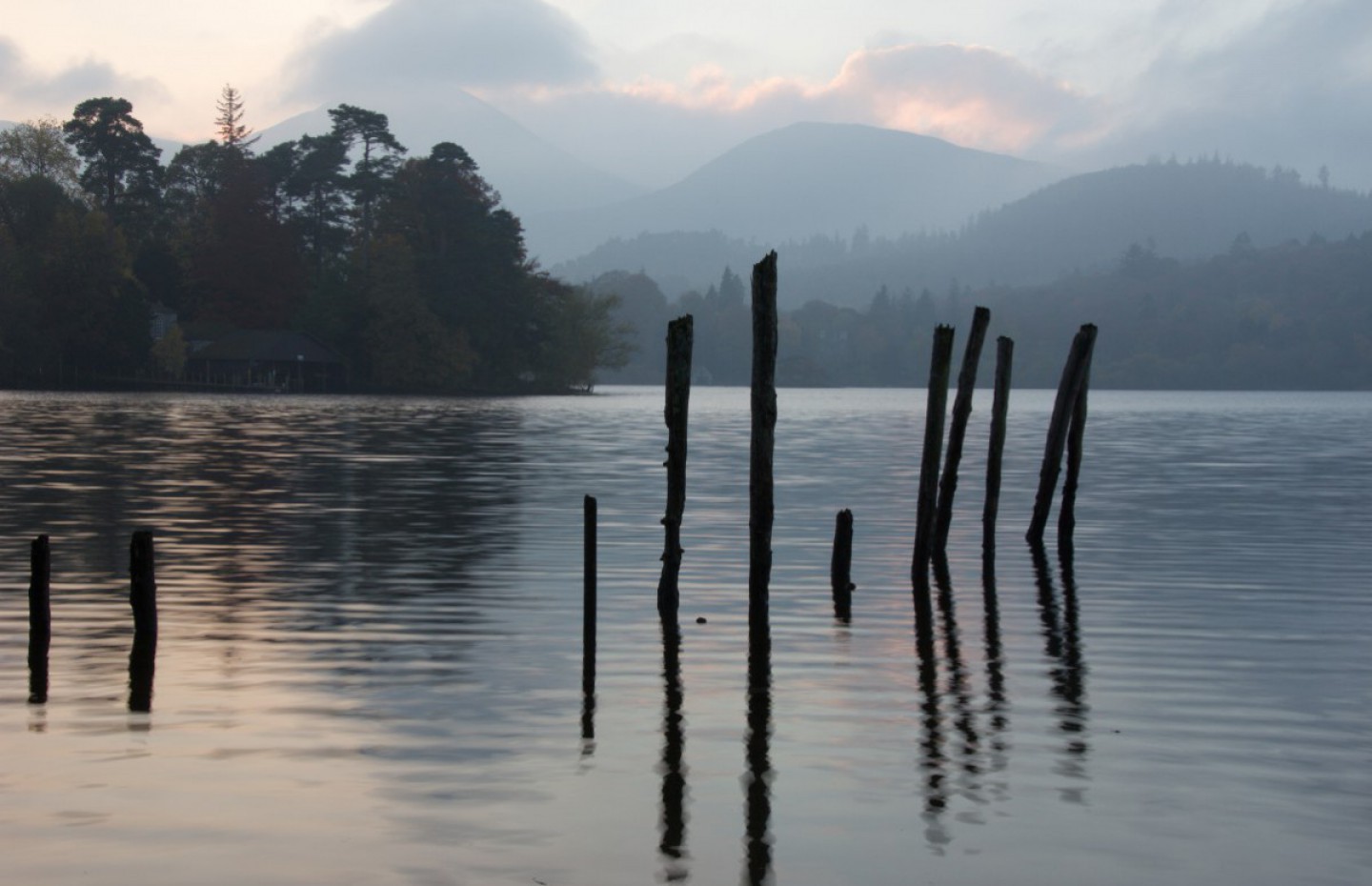
Venice is one of the most beautiful and intriguing cities in the world. It is unique in that it is built on marshland, mud and silt and is an amazing feat of engineering.It is a unique floating city that has inspired artists for centuries and continues to enchant and inspire visitors to this day.
Founded in the 5th Century and spread over 118 islands, Venice became a major maritime and financial power during the Middle Ages as well as an important commercial centre. Its merchants traded silk, grain, spices and art from the 13th to the end of the 17th century where it acted as a bridge between the Middle East and the rest of Europe. Its large merchant fleet, much of it built in the city, brought products unknown in Europe such as spices and sugar cane from far away.
The city’s 150 canals are its defining feature with the Grand Canal being the centre piece, dividing the city in two. Venice also has some stunning architecture, including the Piazza San Marco, St Mark’s Basilica and the Doges Palace. all of which are breathtaking. It’s landscapes inspired such noted artists as Gaudi, Canaletto and Turner to name but three.
I have been once before, many years ago on a day trip whilst on holiday in Austria. A flying visit with 6 hours either way on a coach with 6 hours to enjoy Venice. This time it would be different. I would be there for 5 days on a photographic workshop, once again run by Sarah Howard of Image Seem photography.
The blog will not be day by day account of where we went, but a collection of my favourite mages taken during the trip with the odd anecdote thrown in.
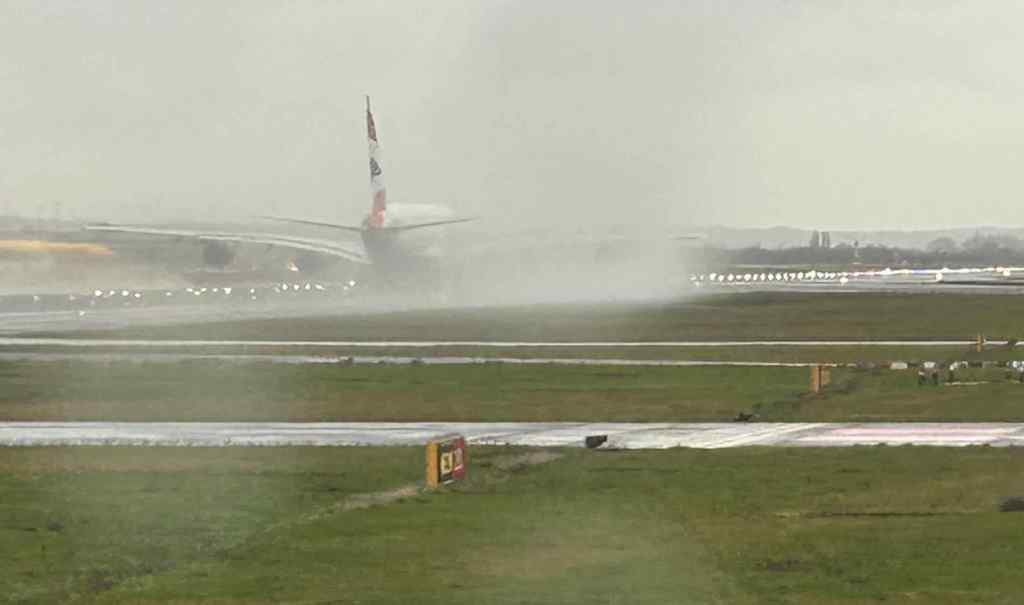
My trip began on a very wet early Monday morning departure from Heathrow. The image above is the jet in front of ours departing. The A380 is the largest in the BA fleet and creates a massive spray as it accelerates down the runway. Because of its wake turbulence as it departs, all jets behind are held for an extra minute or so to let the airflow calm down. We arrived in Venice on a cold sunny afternoon and made our way via a waterbus (Vaporetto) to our centrally located hotel. We later discovered that it was a very short walk from St Marks Square.
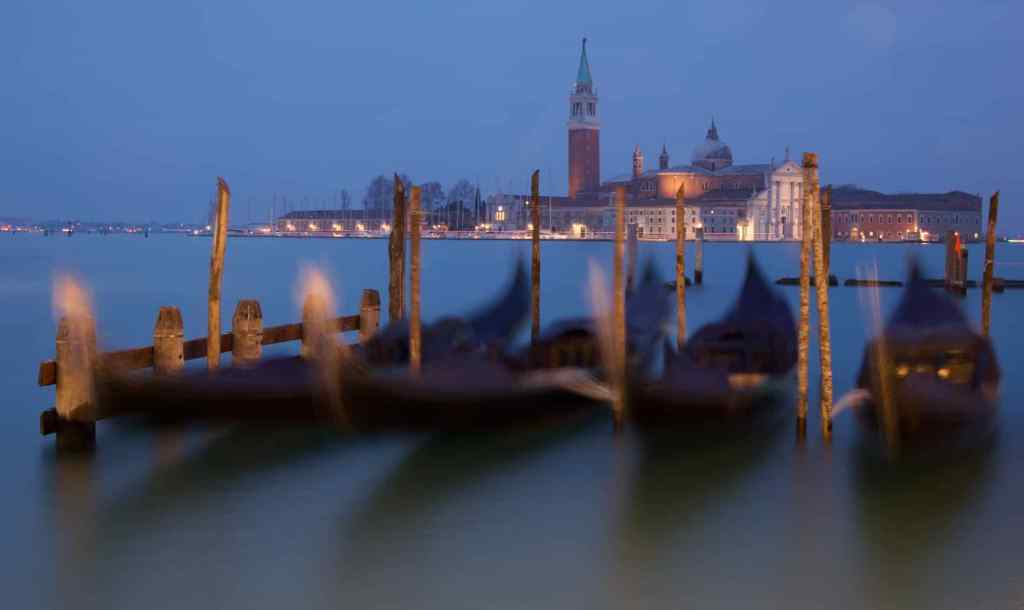
Dawn overlooking The Grand Canal – Long exposure hence the blurred gondolas.
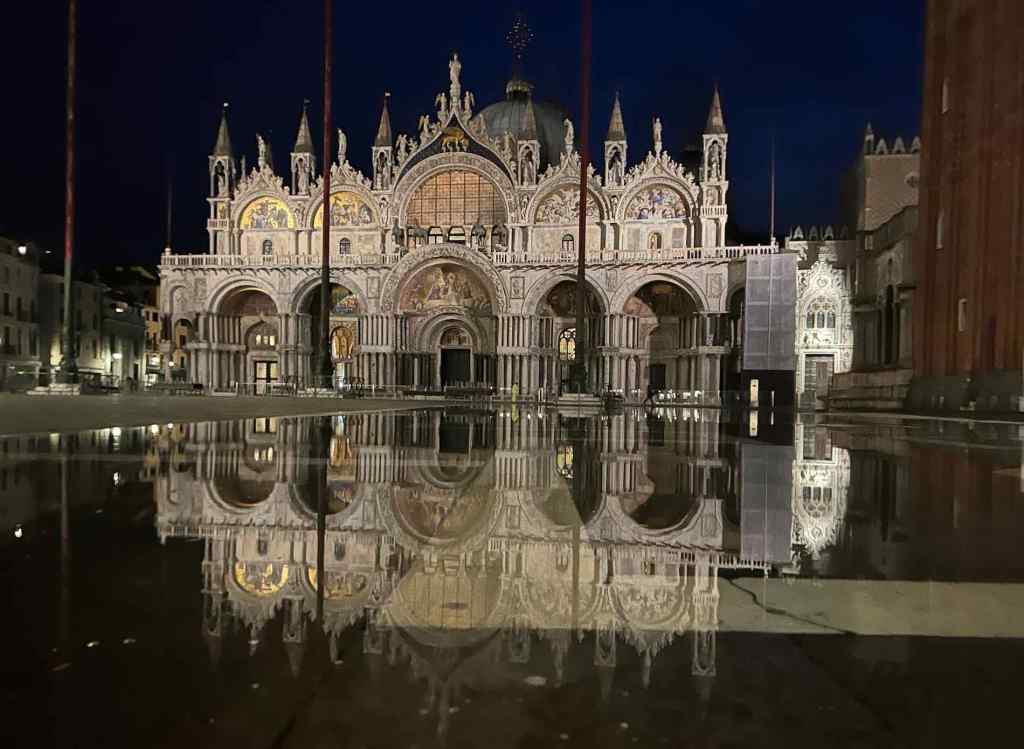
St Marks Square and the Basilica – On a high tide, St Marks Square floods from beneath. This was the only time it happened during our visit.
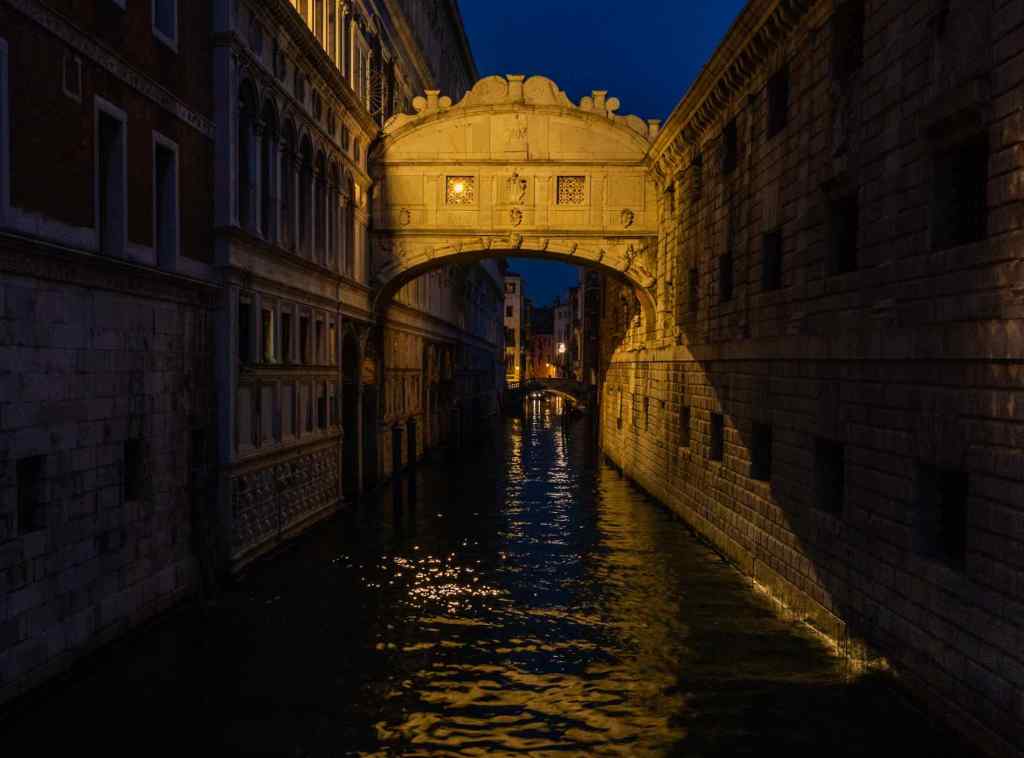
Bridge of Sighs
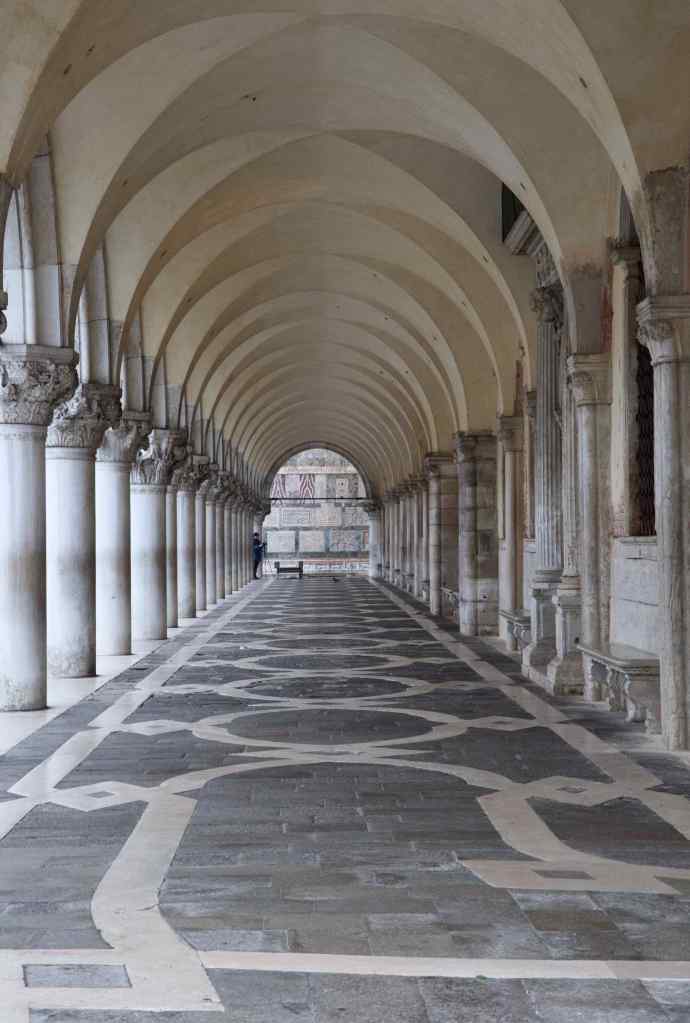
Archway around St Marks Square
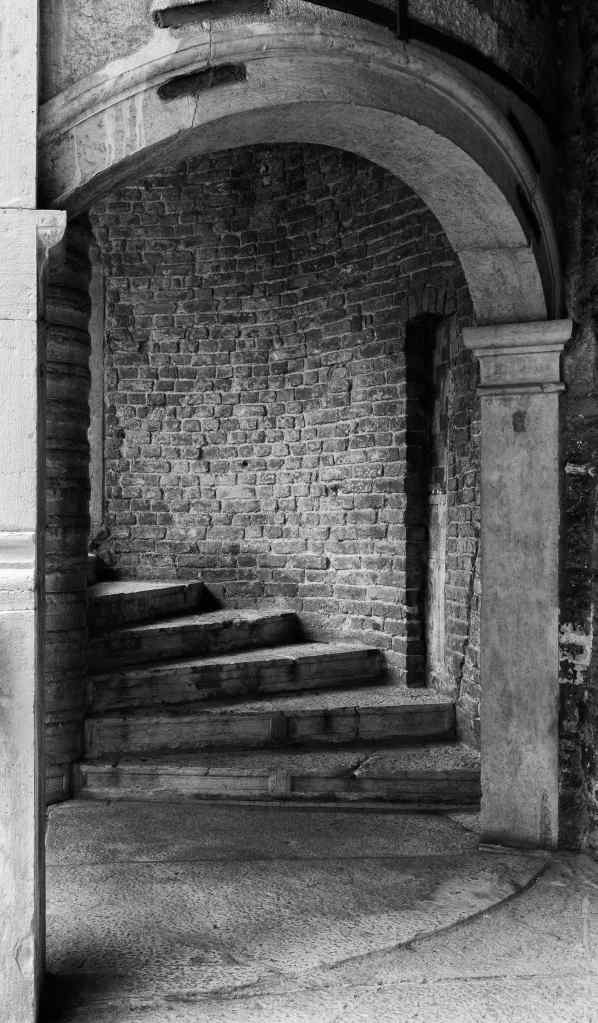
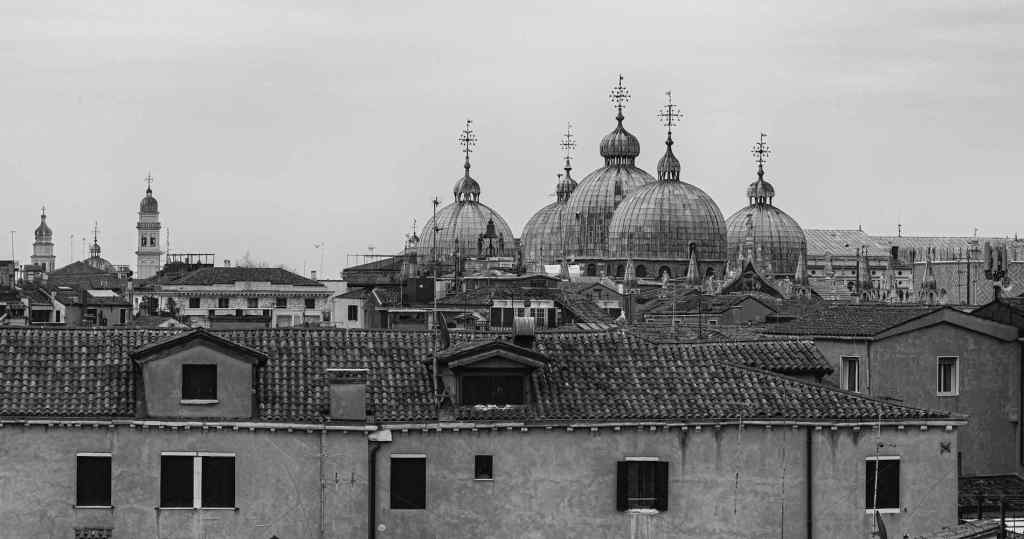
Riva Degli Schiavoni looking towards San Giorgio Maggiore.
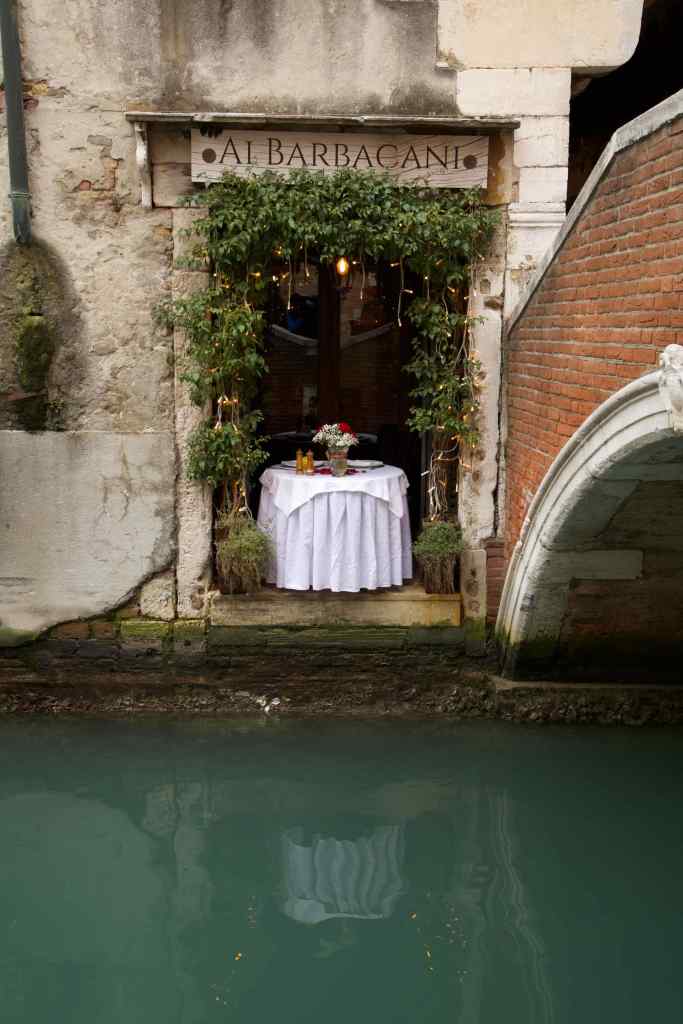
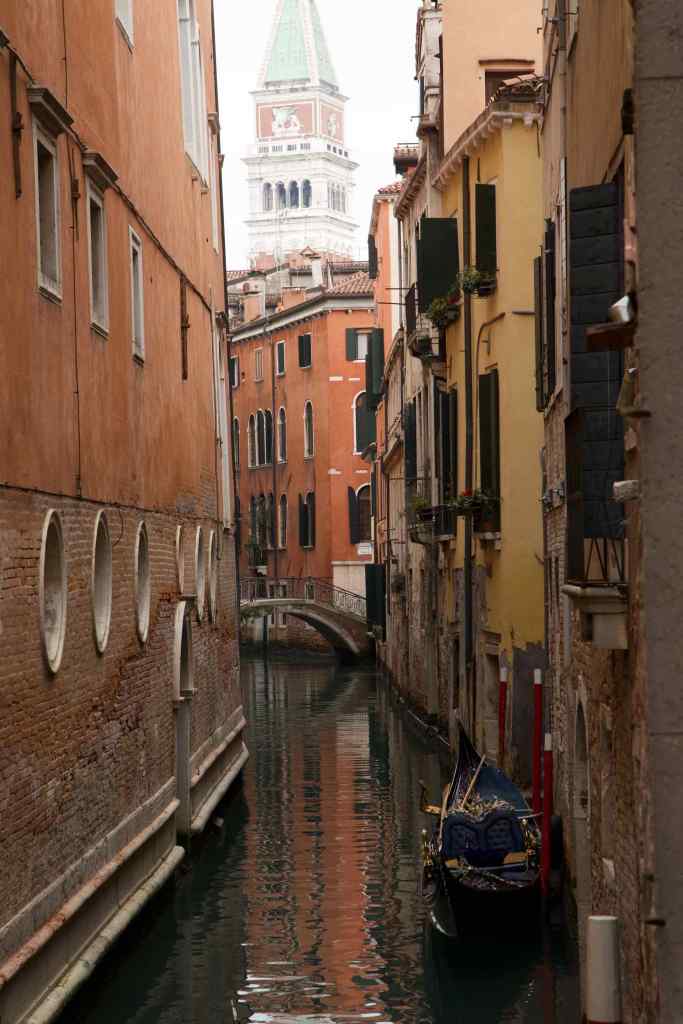
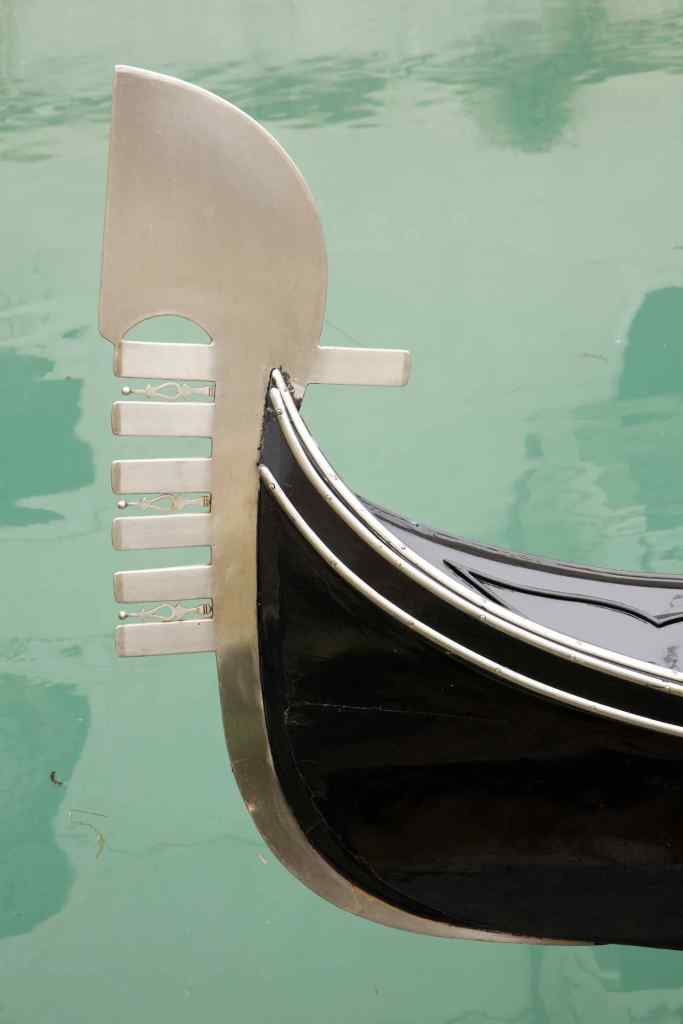
The “Back streets” of Venice
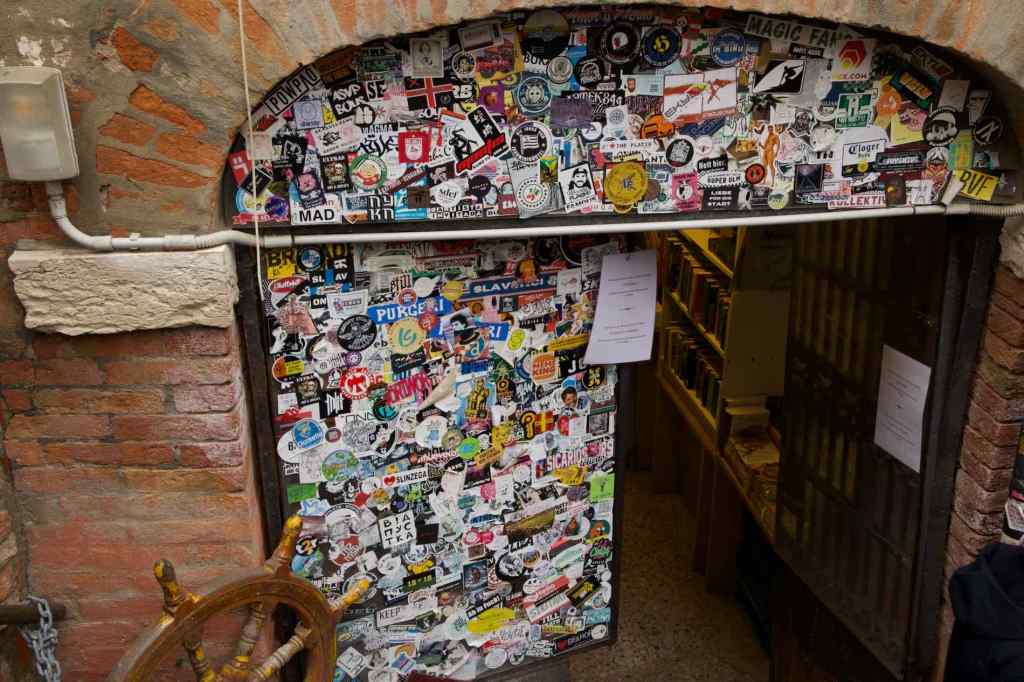
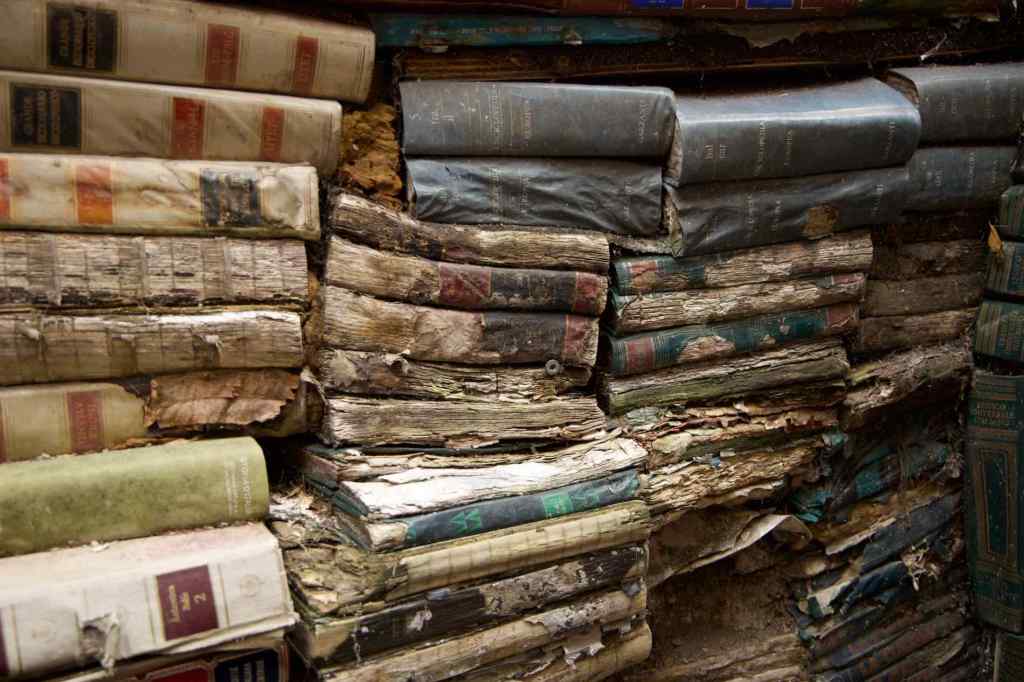
Aqua Alta Book Store – This pile of old books are part of a large platform at the rear of the store which enables customers to view the back street canals of Venice.
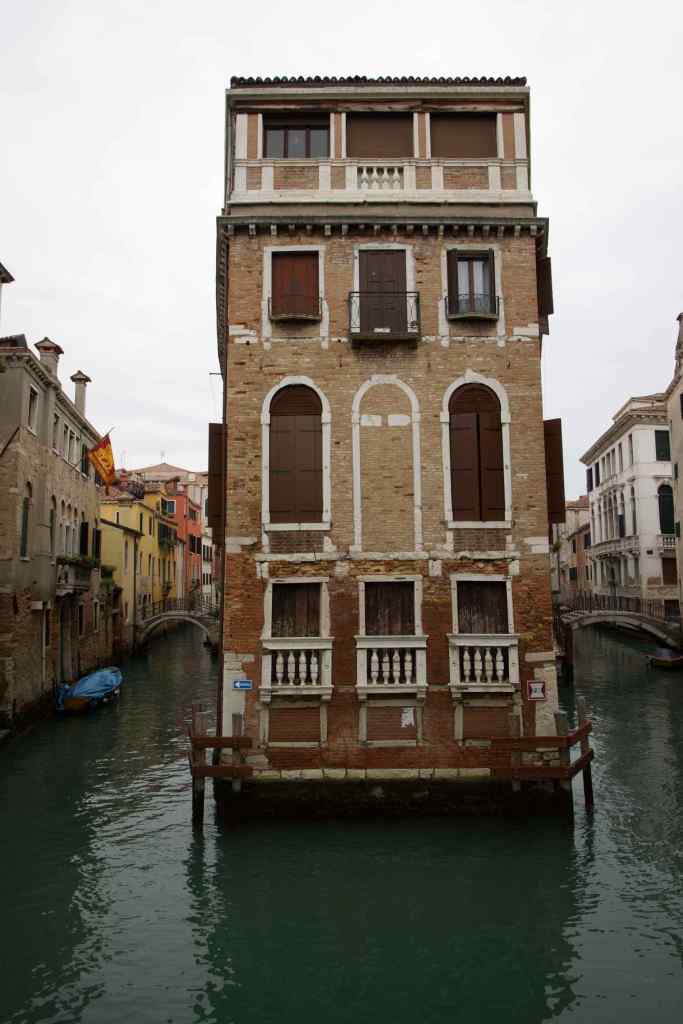
The Floating House
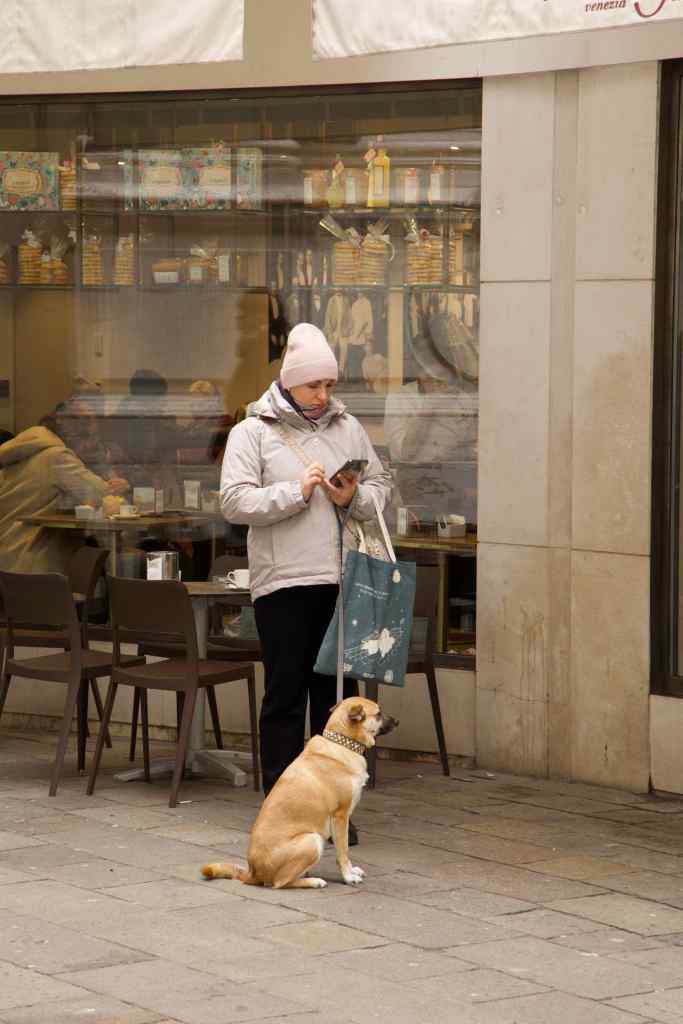
Sitting and Waiting
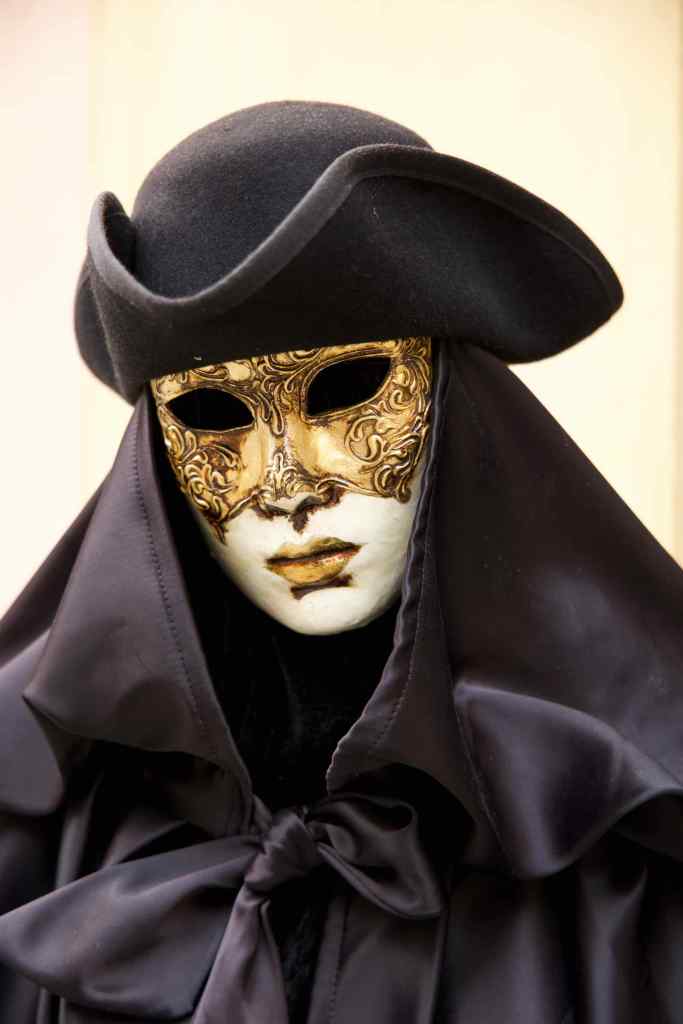
Venice is known for its masks and this one is fine example outside a mask shop in town.
Burano is a small island at the northern end of the Venetian archipelago some forty five minutes from St Marks Square by vaporetto or “waterbus”. It is noted for lace making and for its rows of brightly coloured small houses which line the streets and canal sides. Despite the colours being random in appearance there is a specific system originating from the golden age of the islands development. Anyone wishing to paint their house must first apply to the government who will respond by making note of the colours permitted for that lot.
The day of our visit was dull and misty although thankfully, dry and very still.
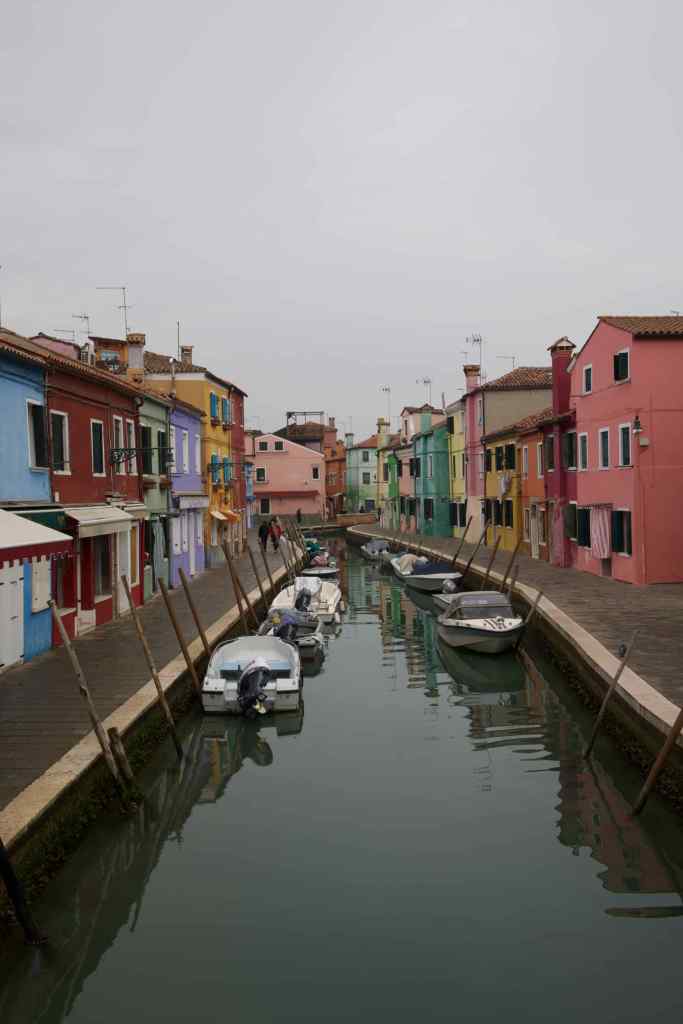
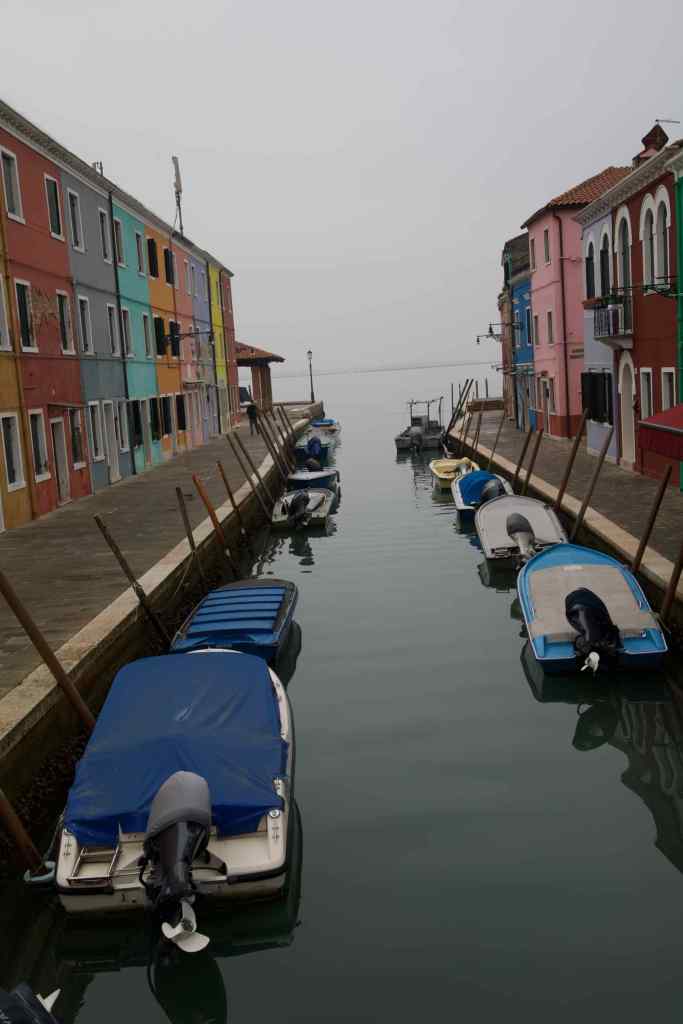
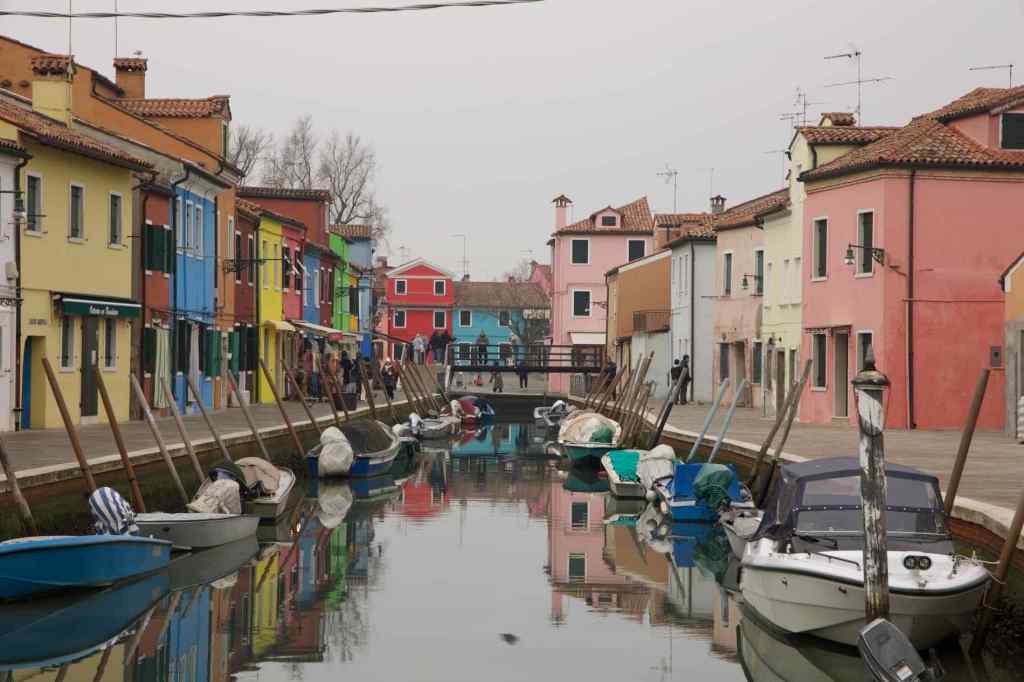
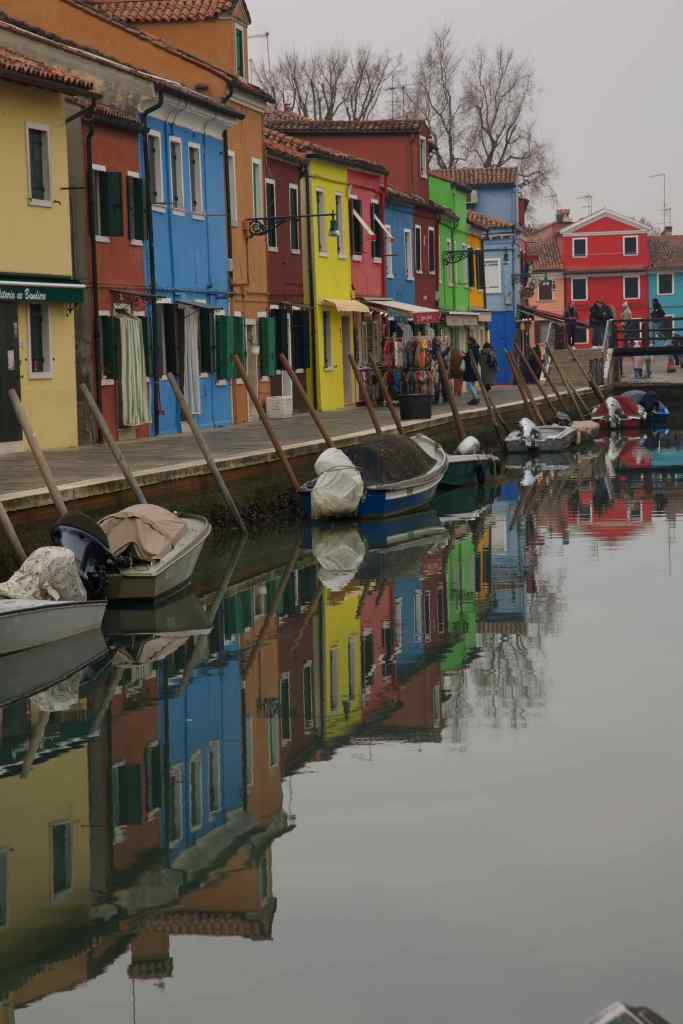
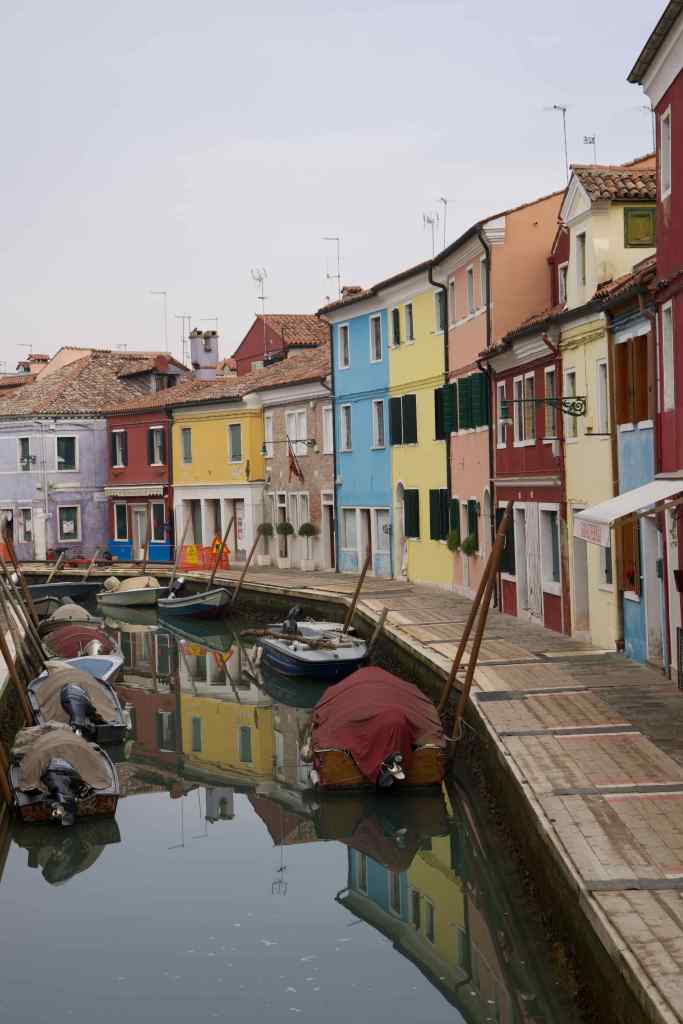
The “streets” of Burano
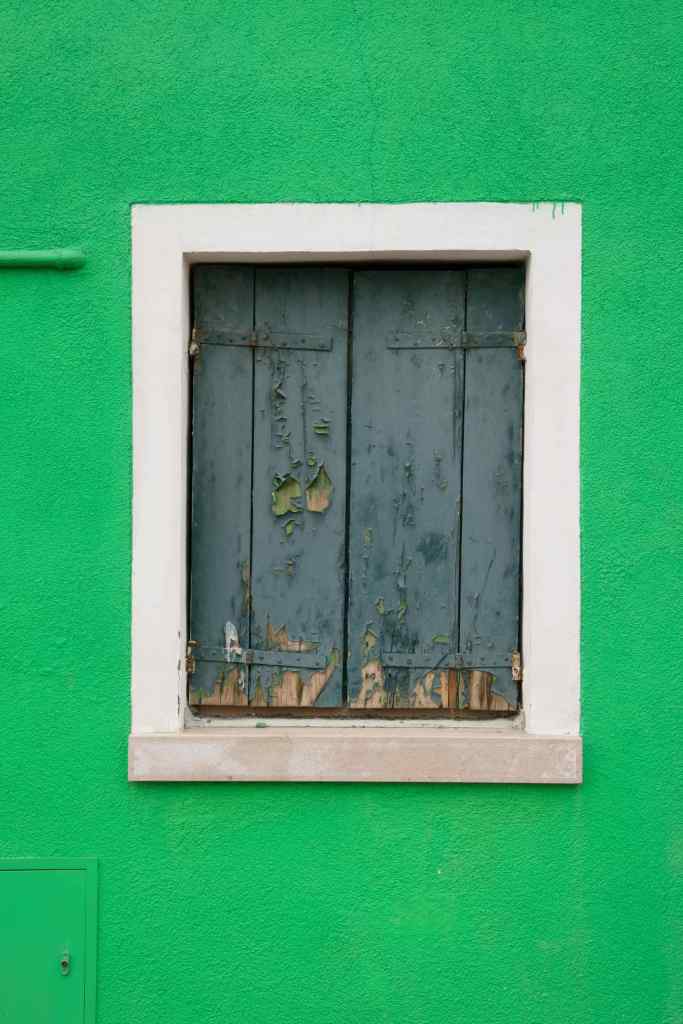
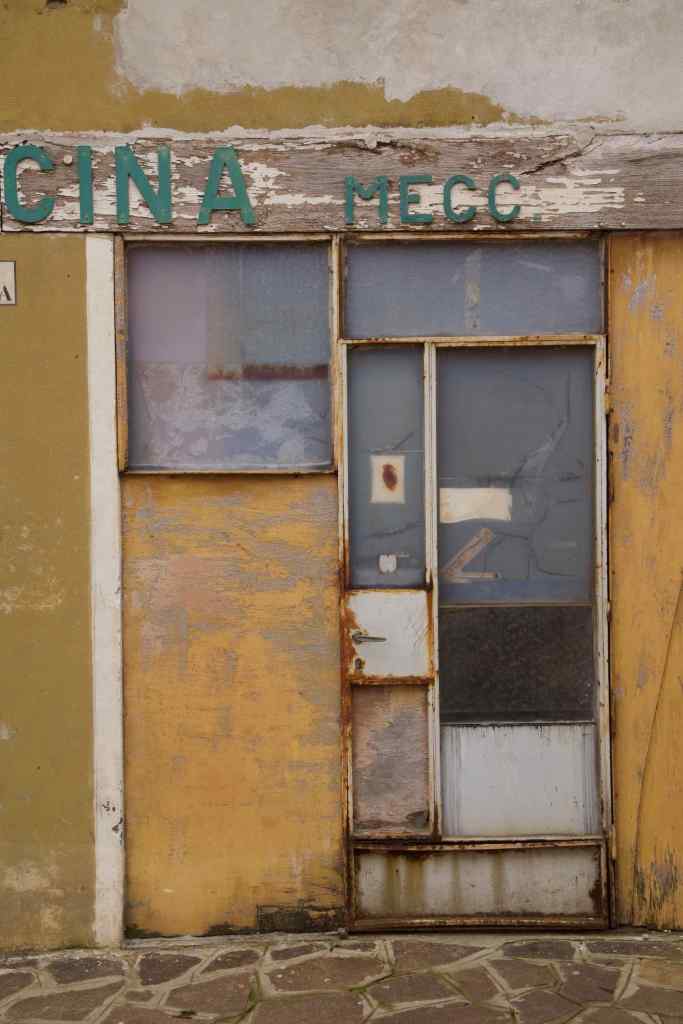
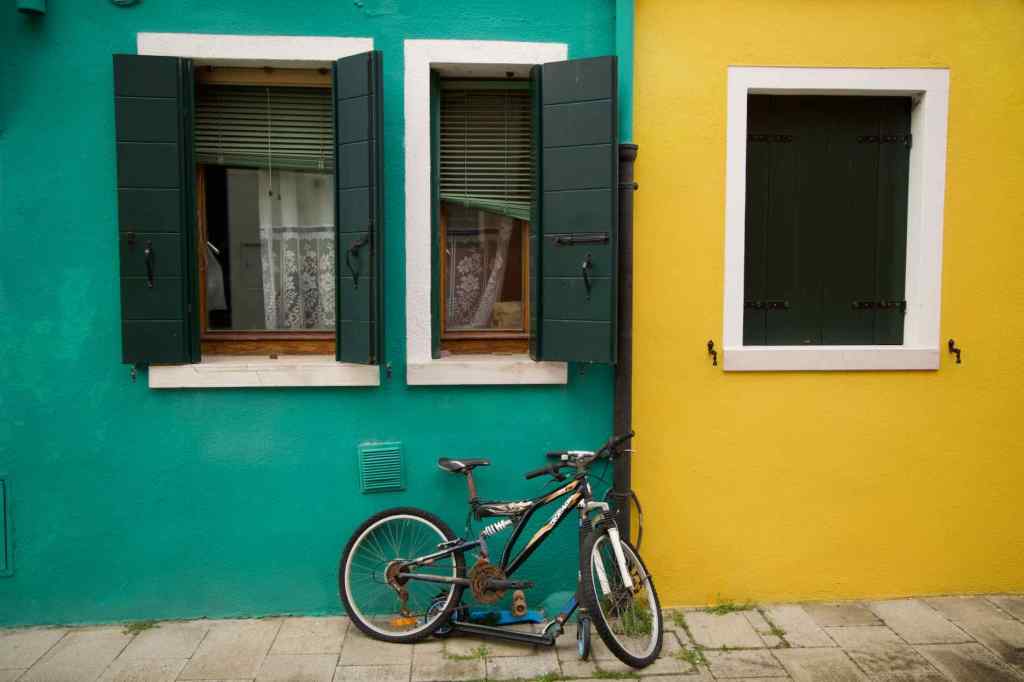
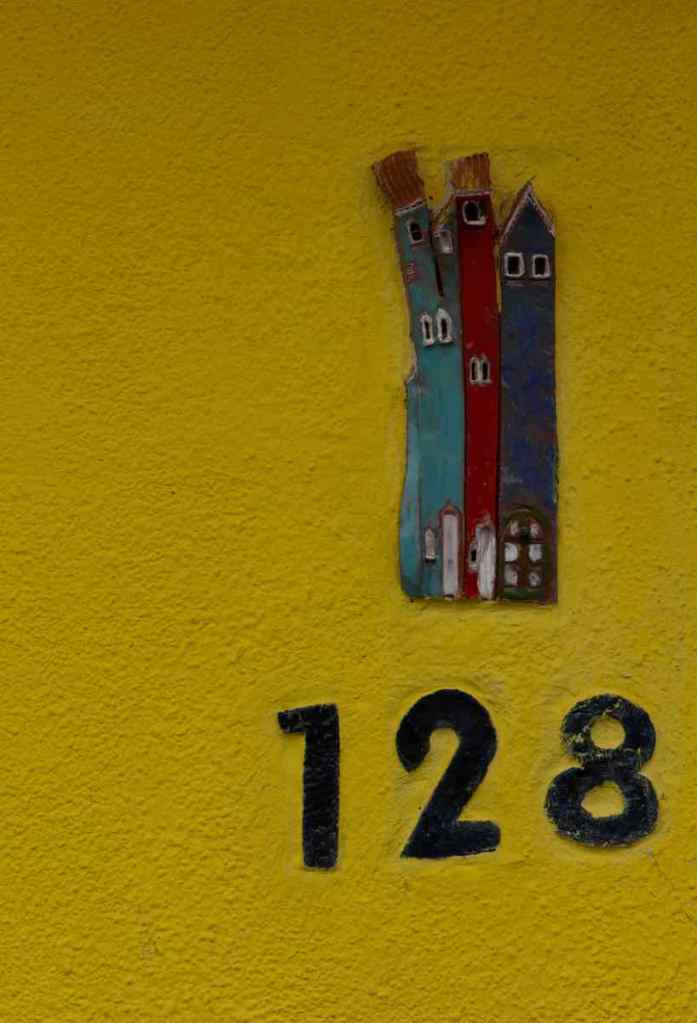
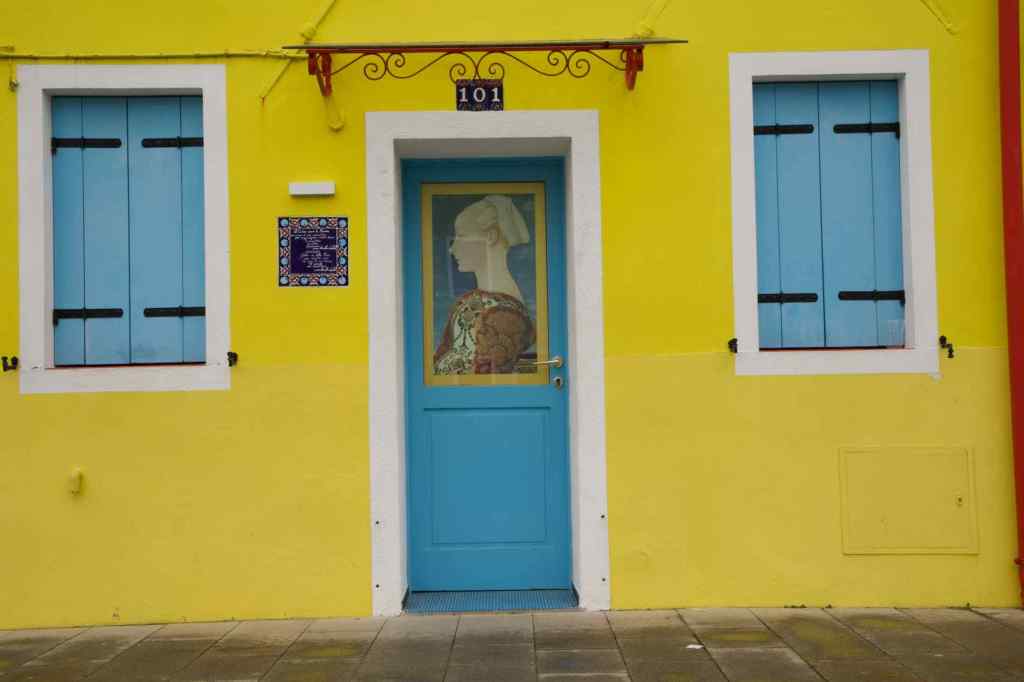
Some of the colours in Burano
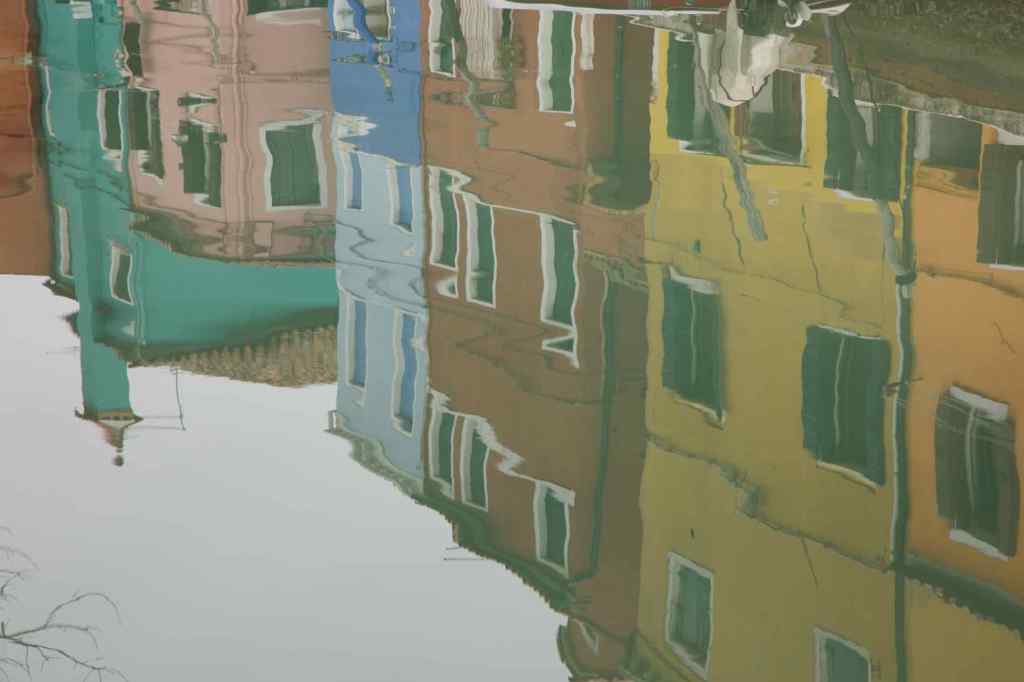
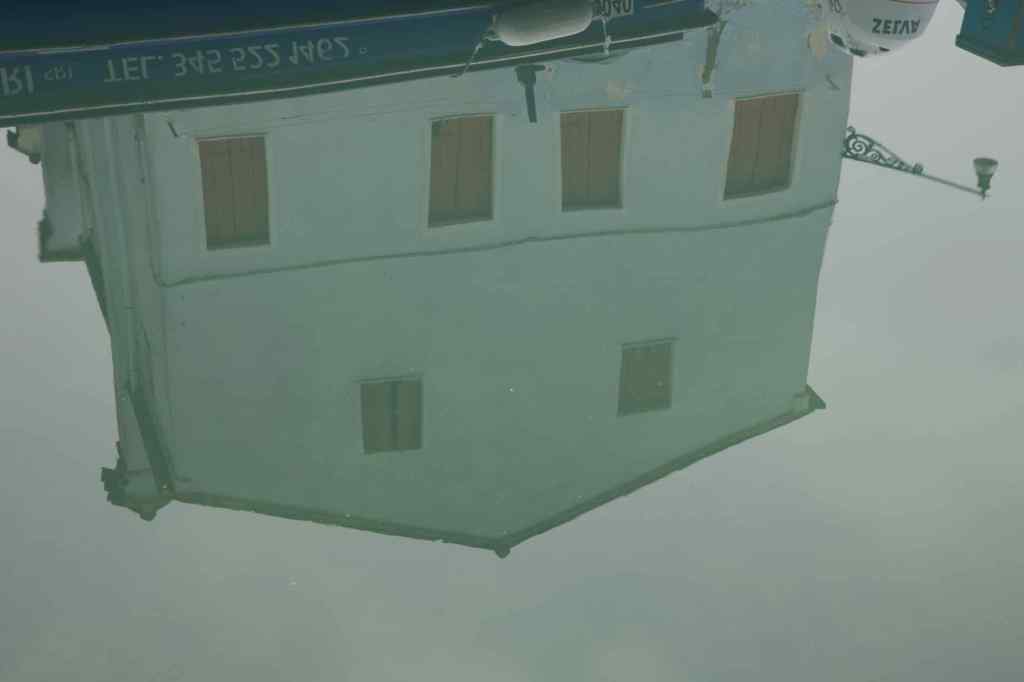
Reflections
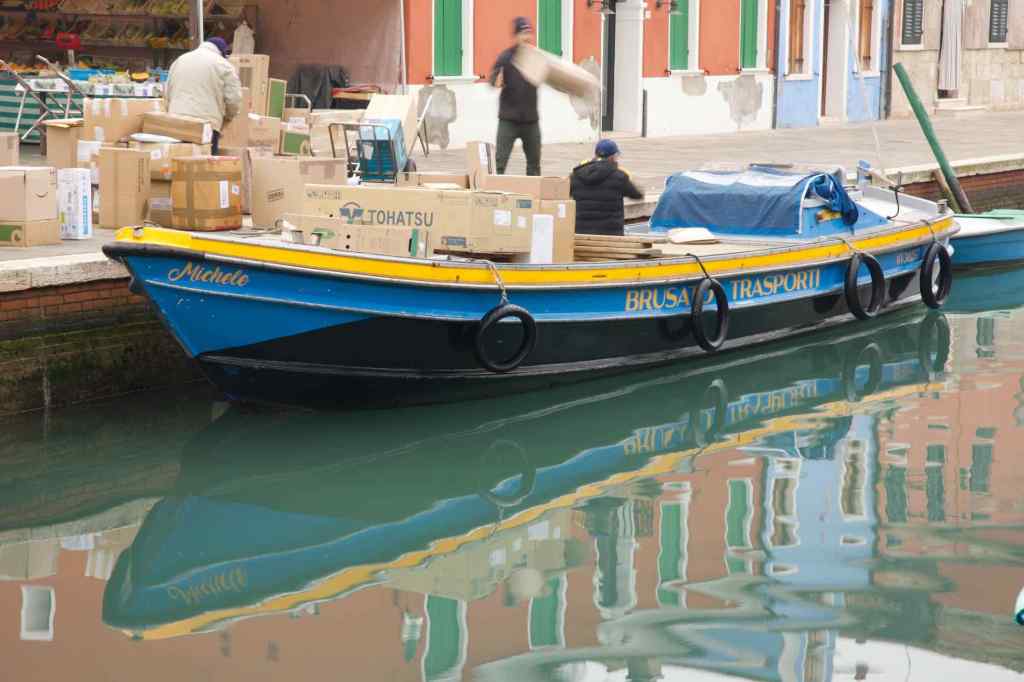
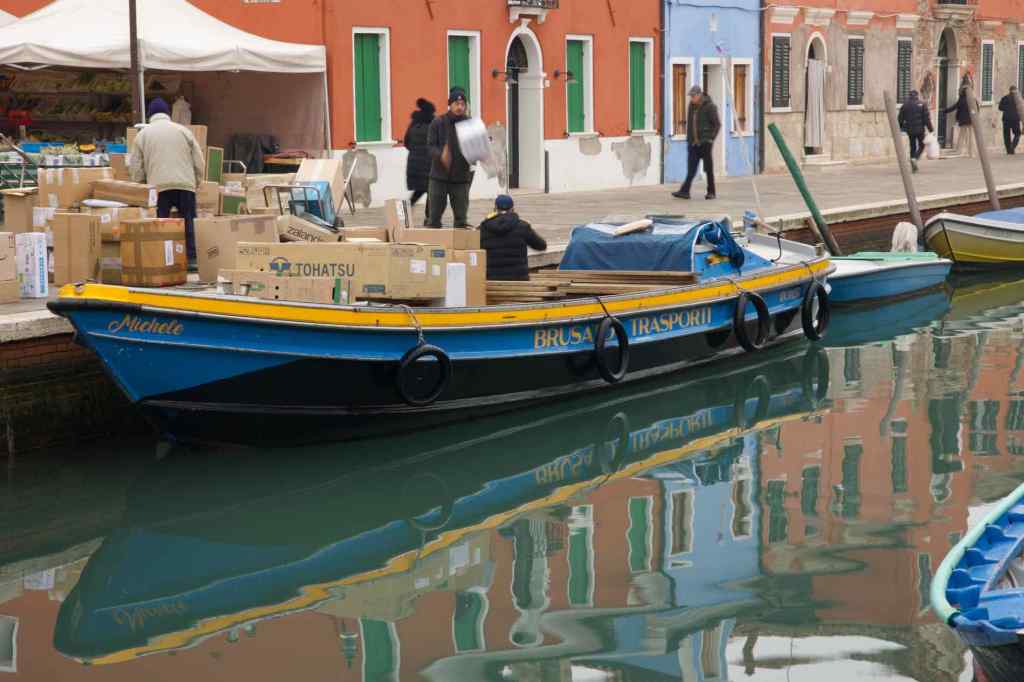
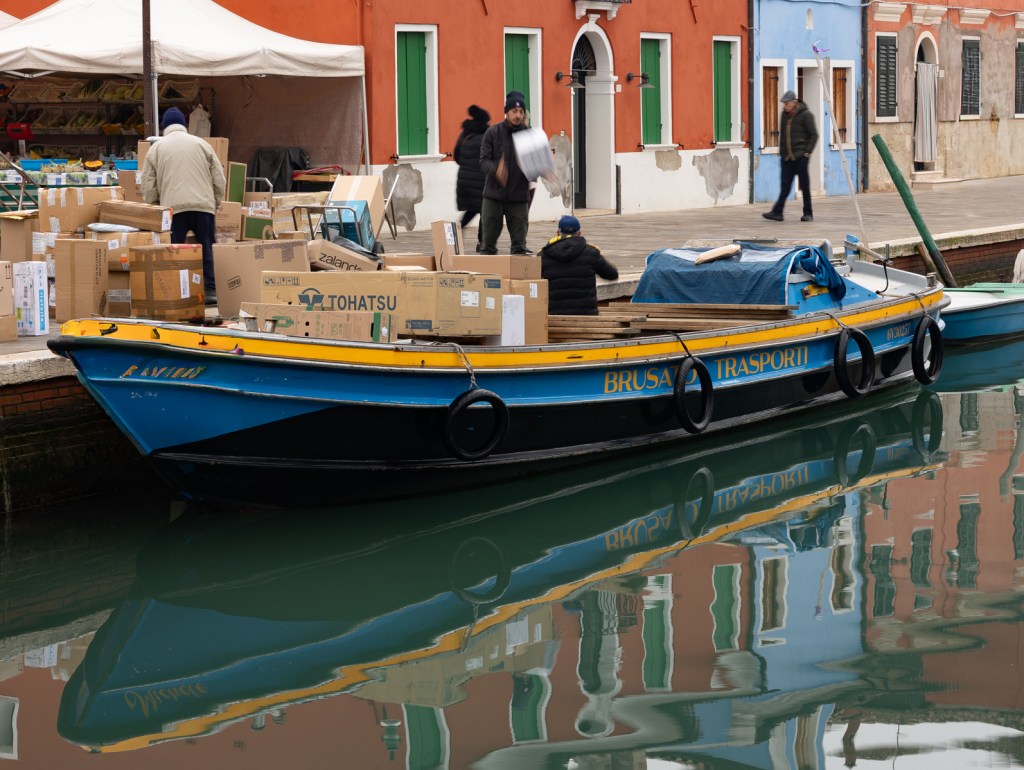
Amazon Delivery? Everything has to come in by boat and this is one way of making a delivery!
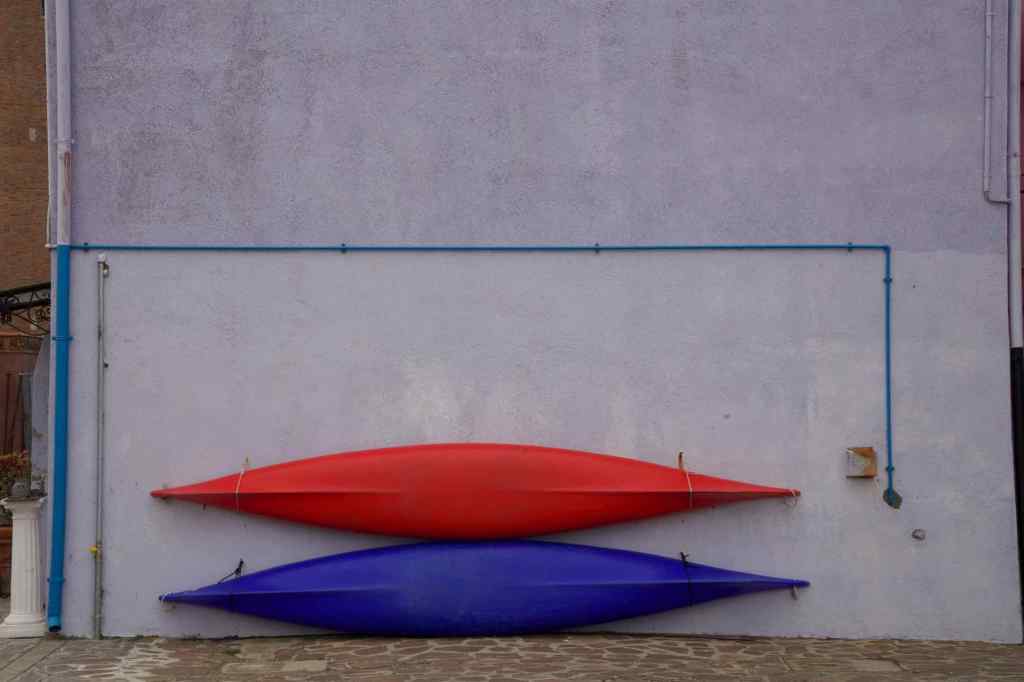
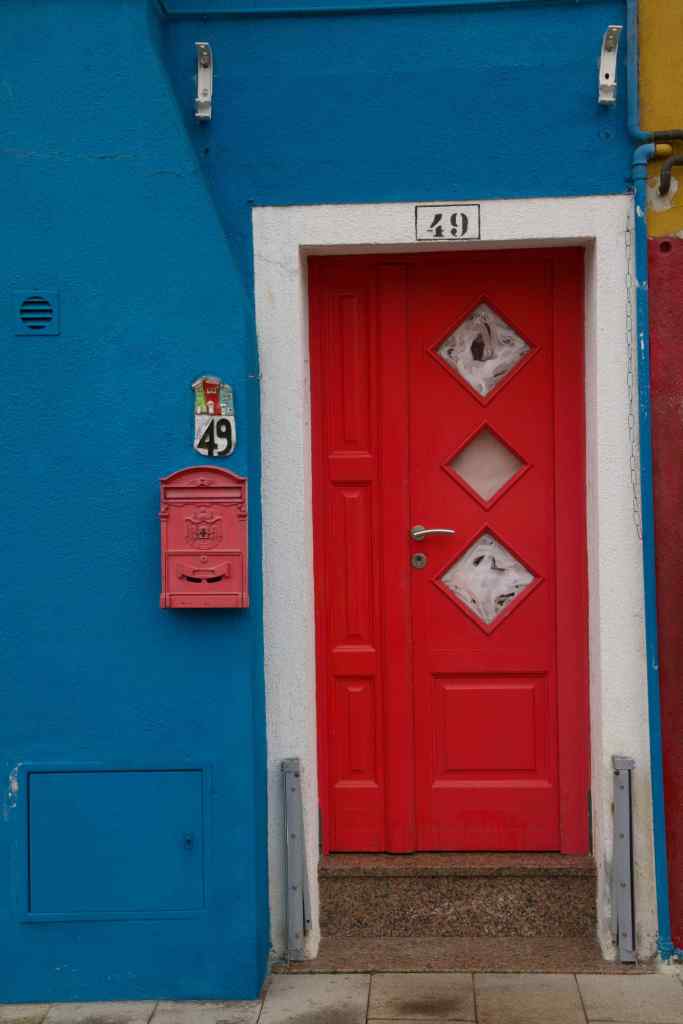
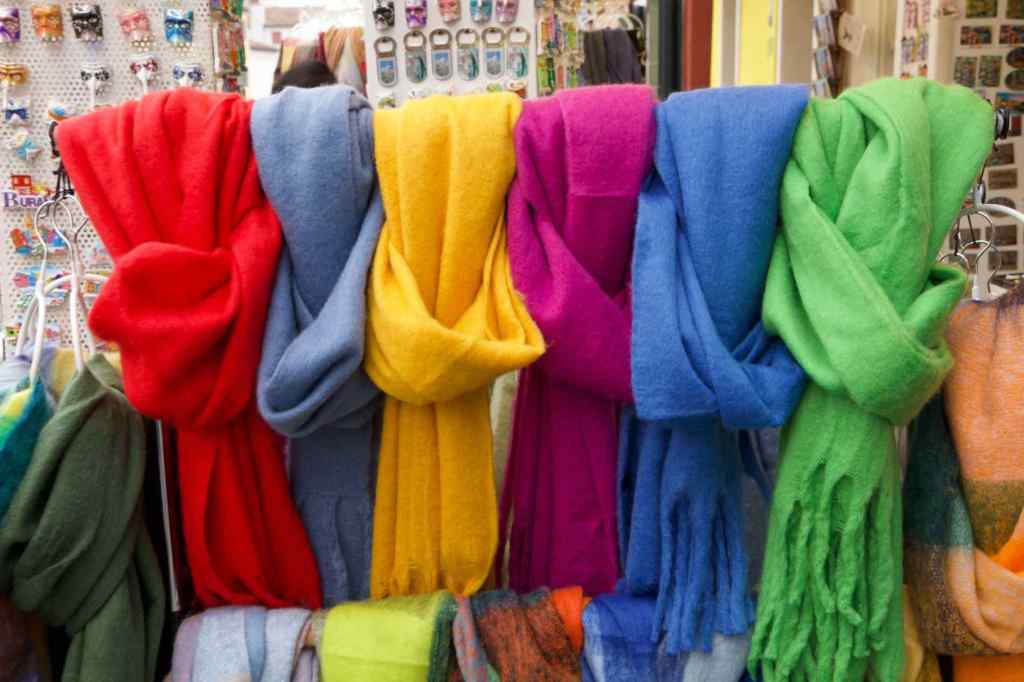
More colour in Burano
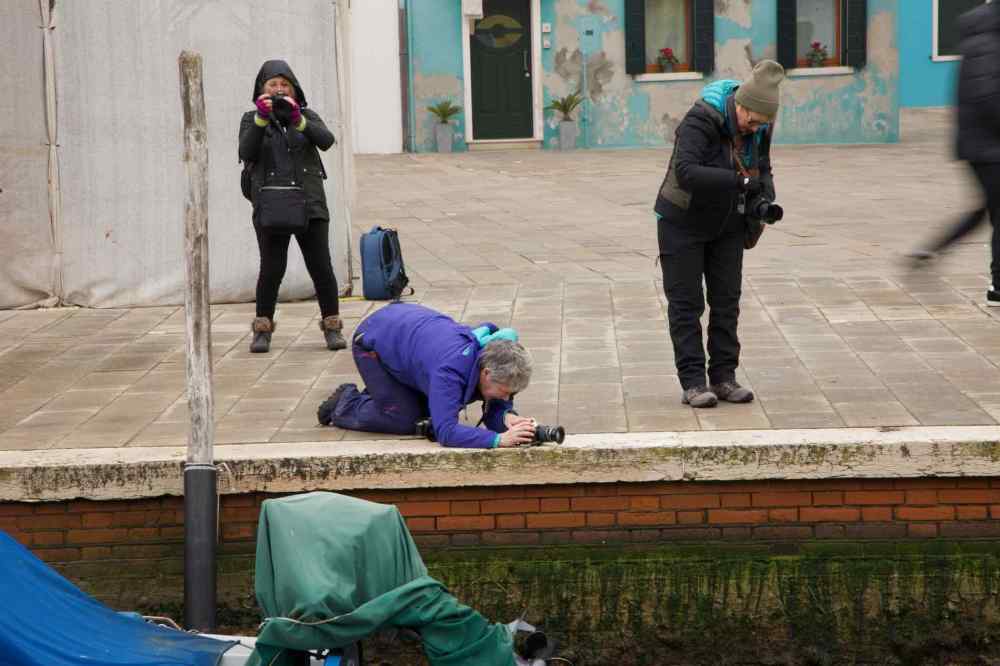
More competition from a different photo group!
The island of Pellestrina lies to the south of Venice Central and is along thin strip of land of some 11 km in length. As well as the coloured housing, Pellestina has an attraction for the landscape photographer of fisherman’s huts out in the bay, on stilts. We visited on a very calm and cold day and spent several hours photographing the huts and the old harbour moorings. .
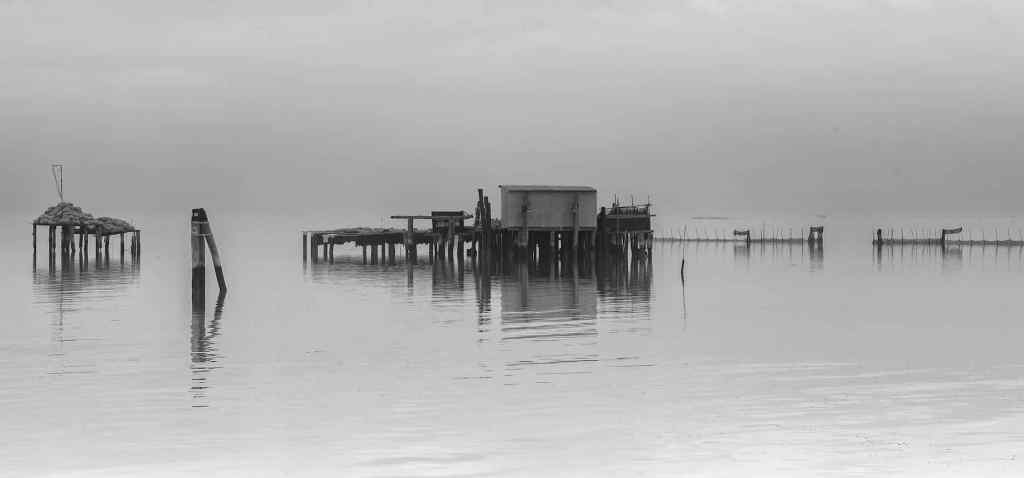
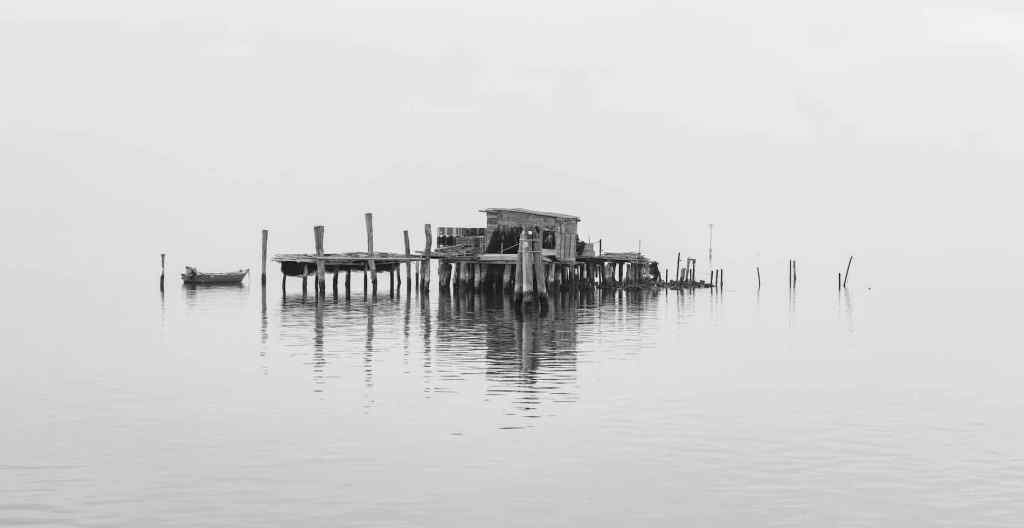
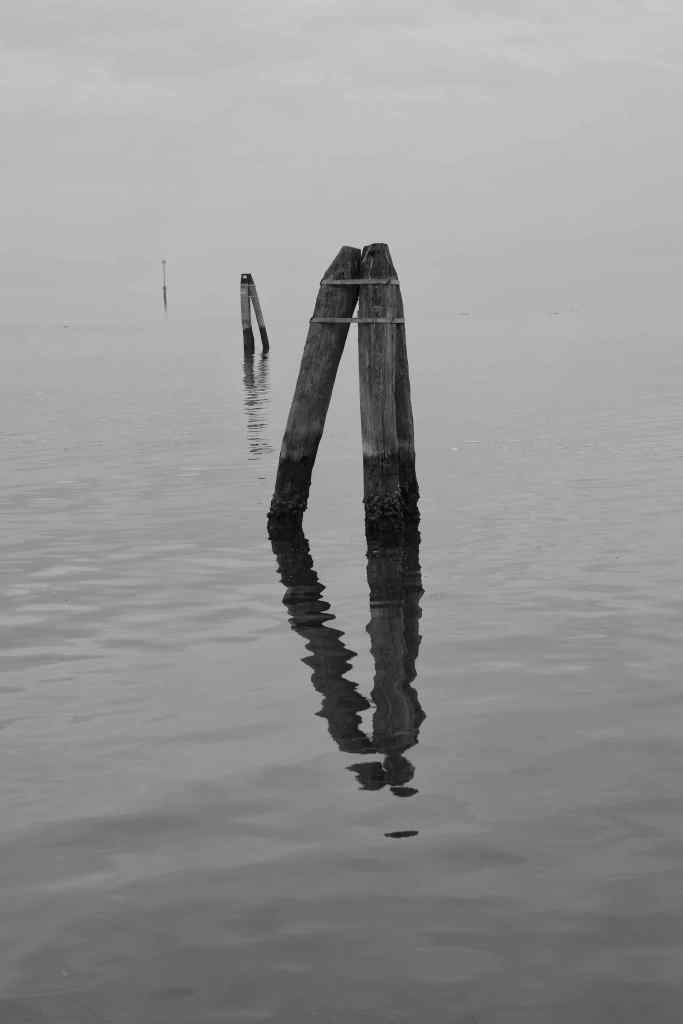
Two Mono images of the fishermen’s huts and the third image is of the moorings at Pellestrina harbour
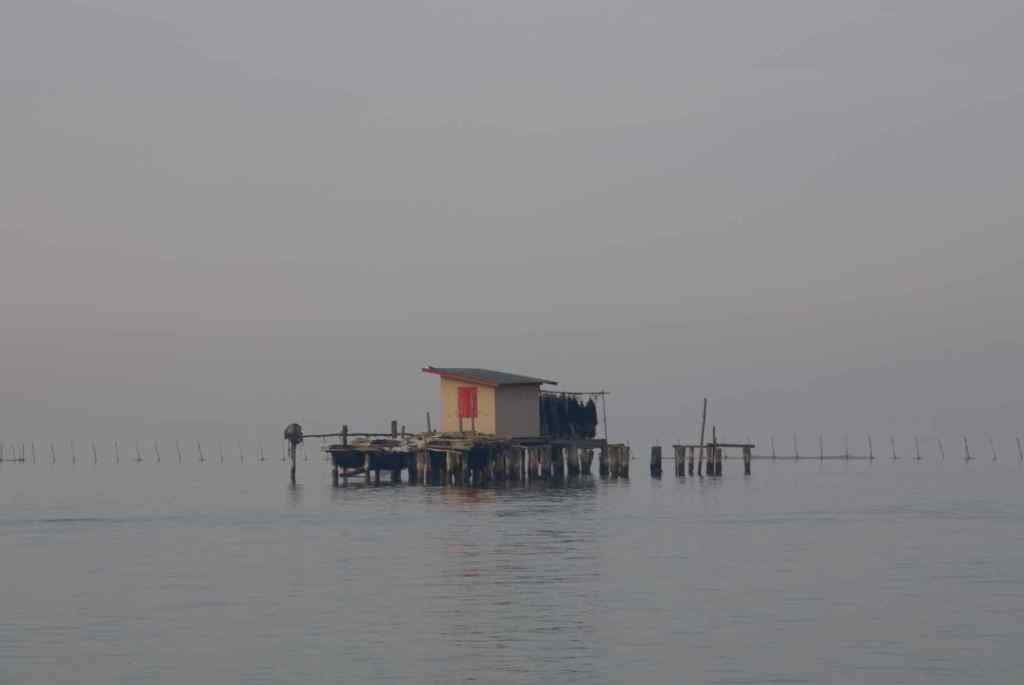
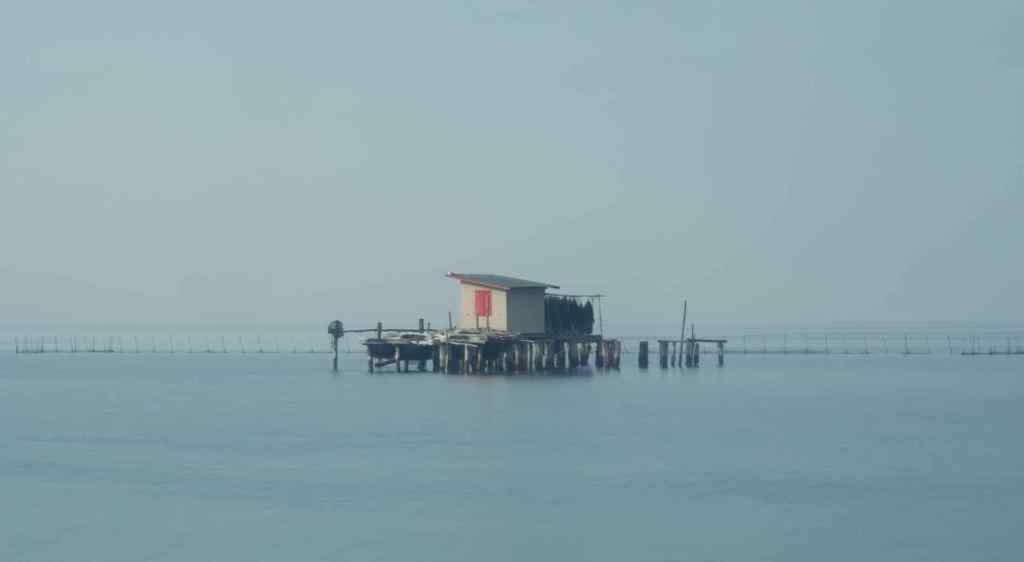
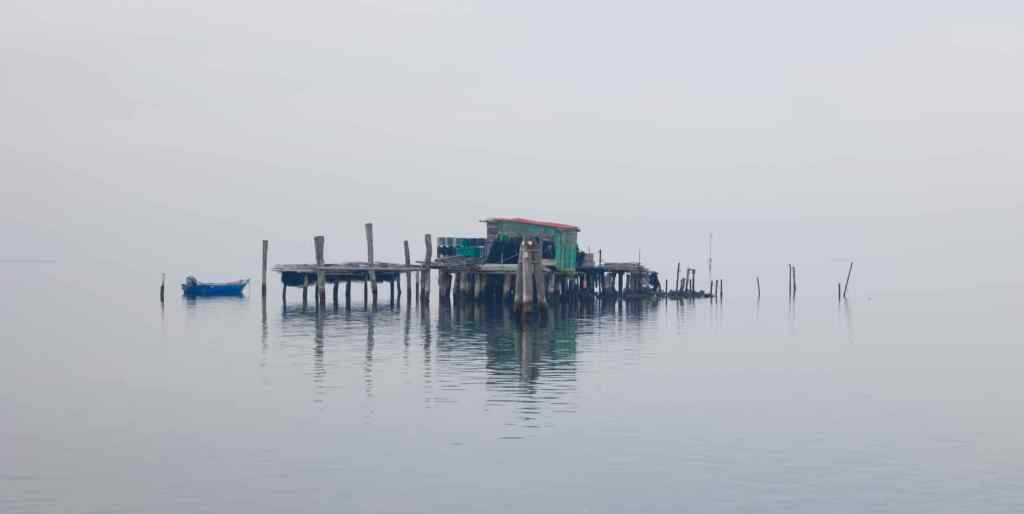
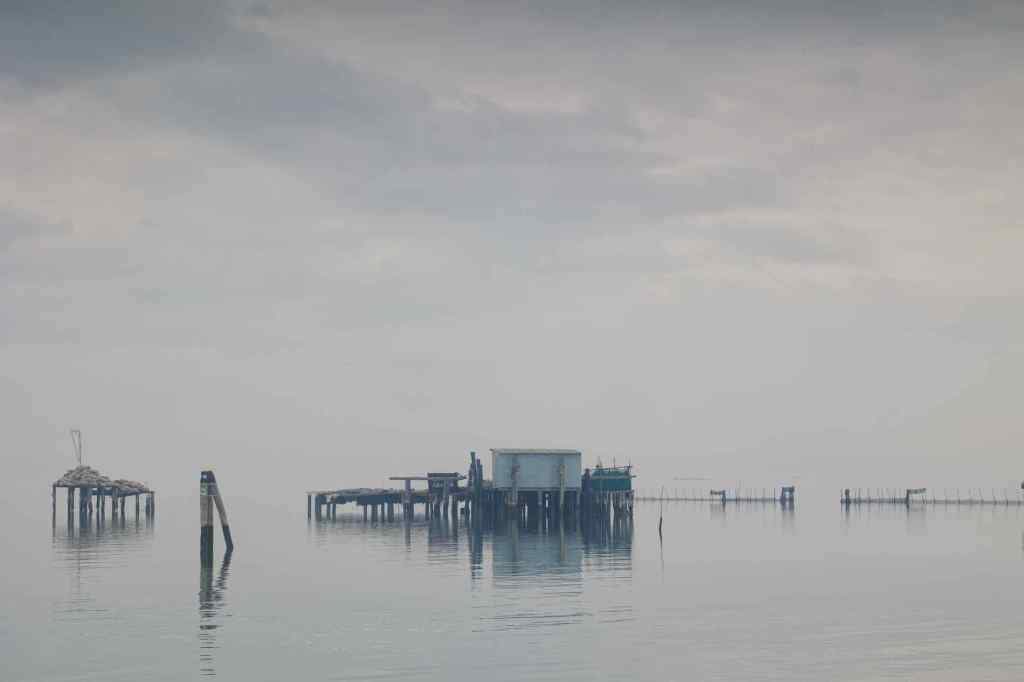
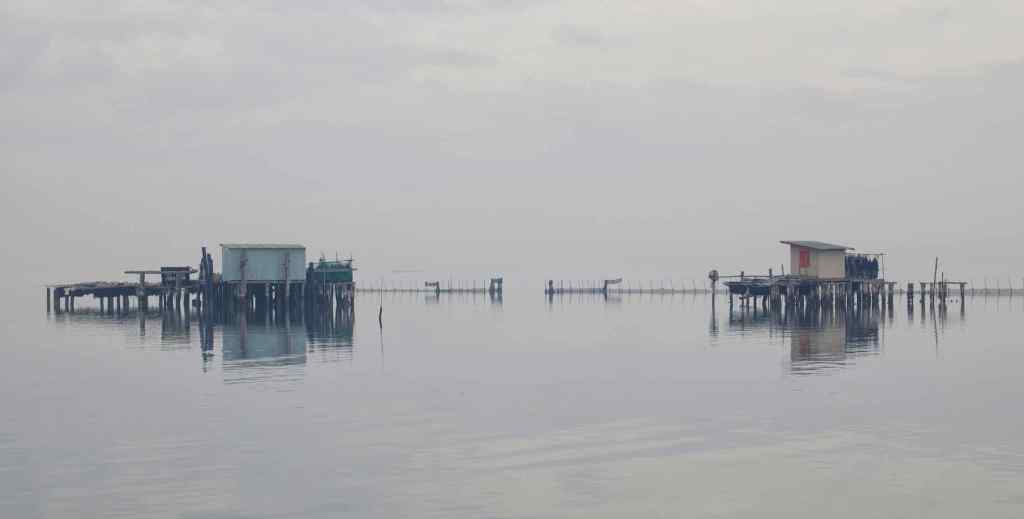
Various fishermen’s huts in Pellestrina harbour
No visit to Venice is complete without exploring the Rialto Market. Located near the equally famous Rialto Bridge, the market is a daily event of traders selling fish, veg and meat. It is also a social hub for the locals who banter loudly with each other and the market traders. It is a lively place after about 1000 but early morning saw us there by 0800 where we were able to practice some street photography techniques, photographing the proud traders, the locals and those supplying the market from heavily laden boats on the canal.
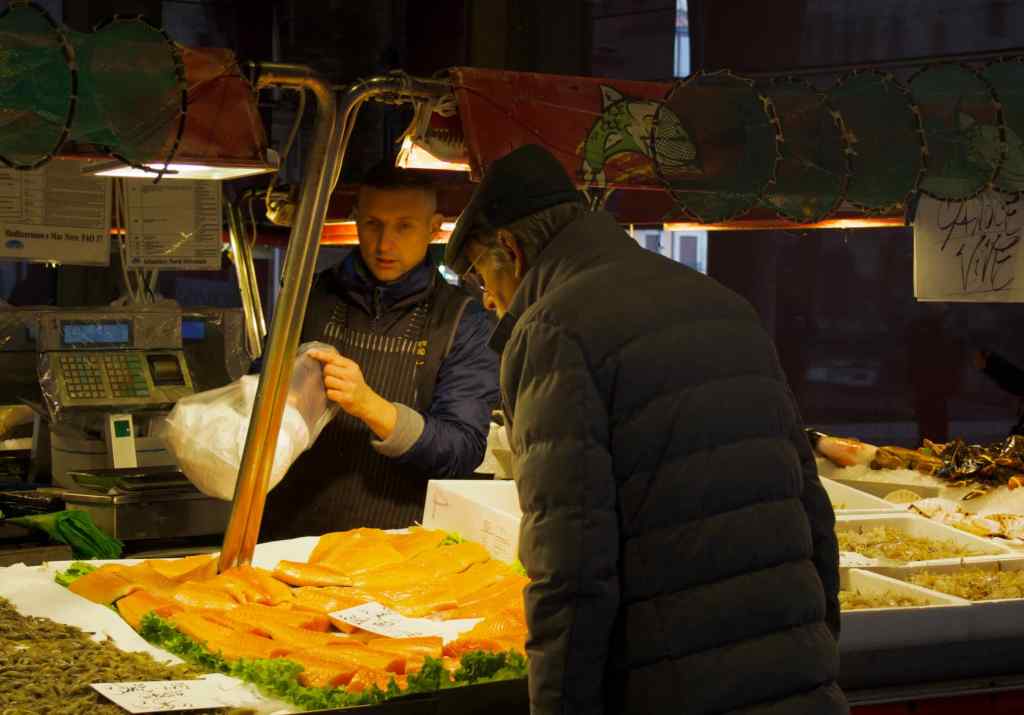
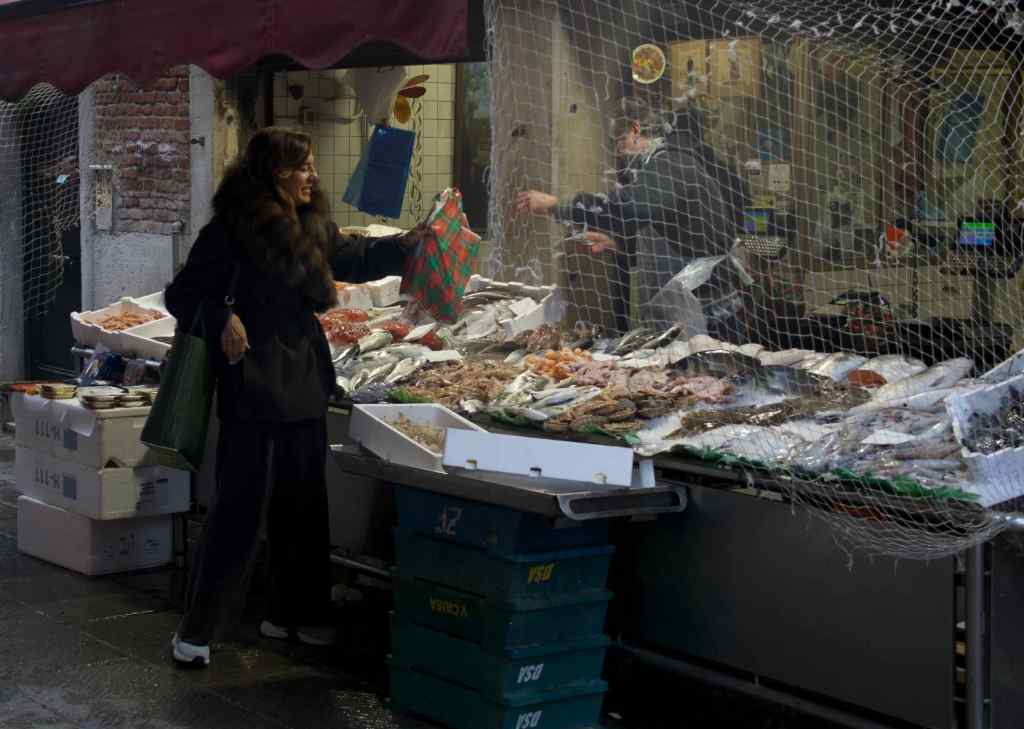
Early morning shoppers in the market.
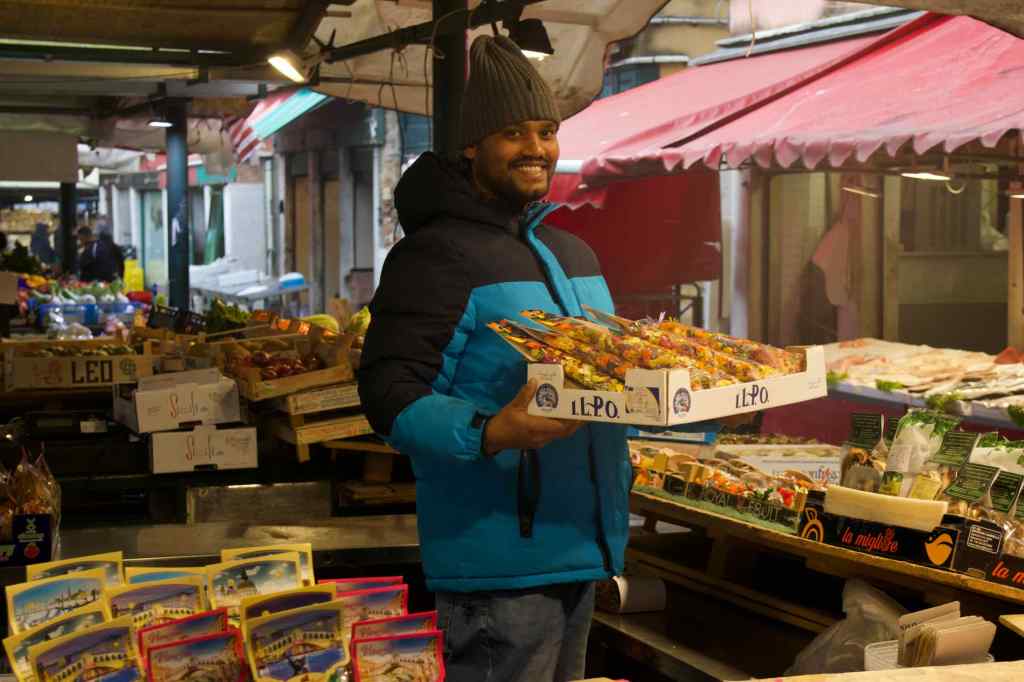
Proud stall-holder selling his wares (in this case rich sticky sweets!)
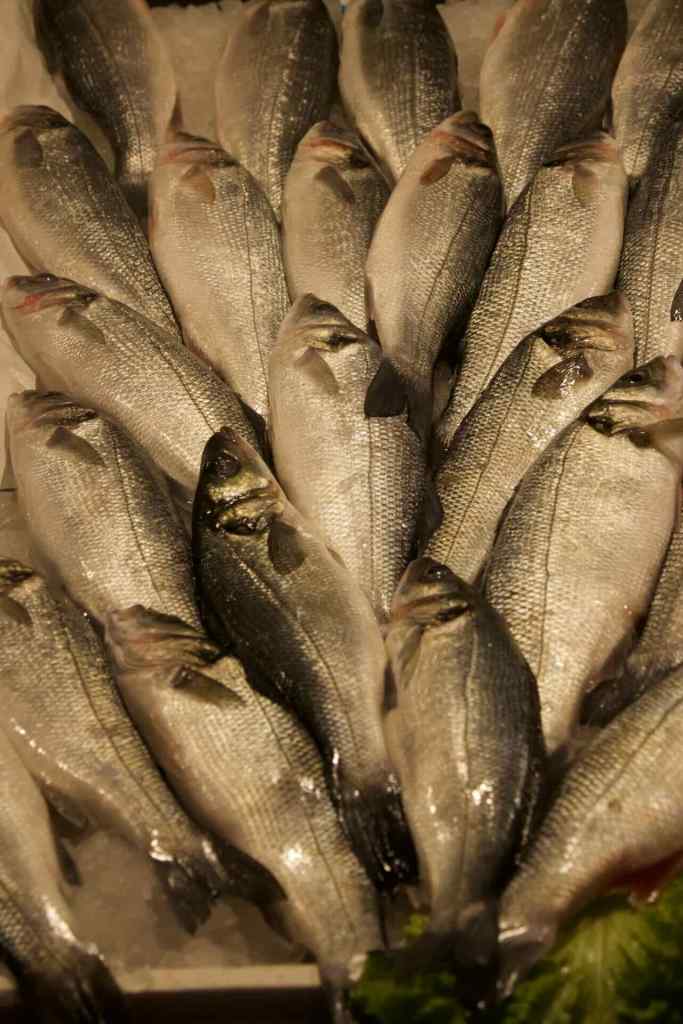
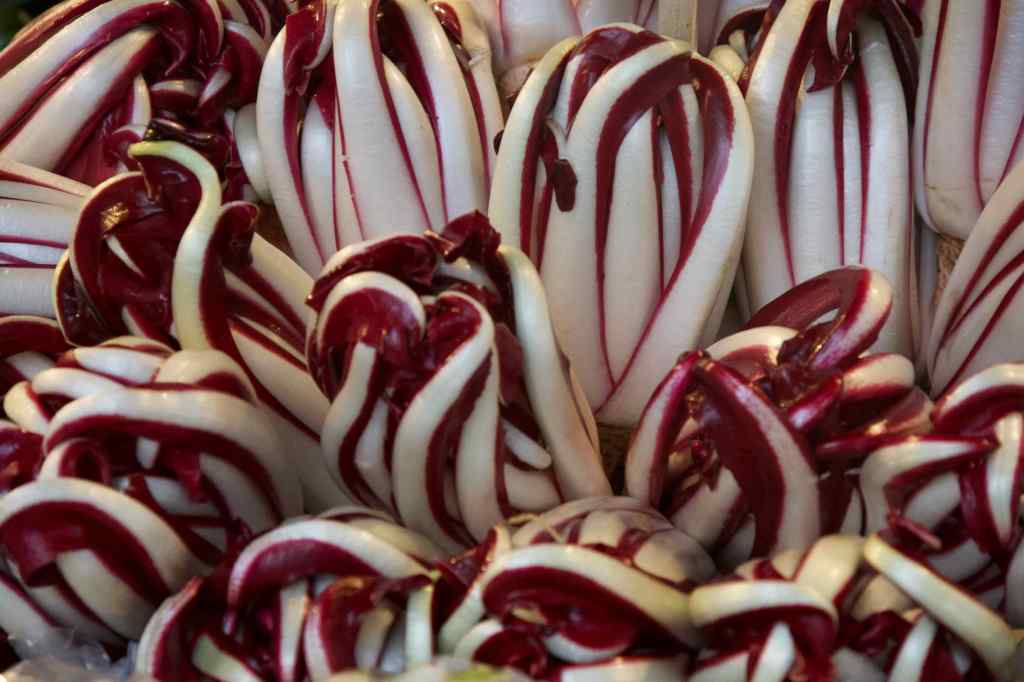
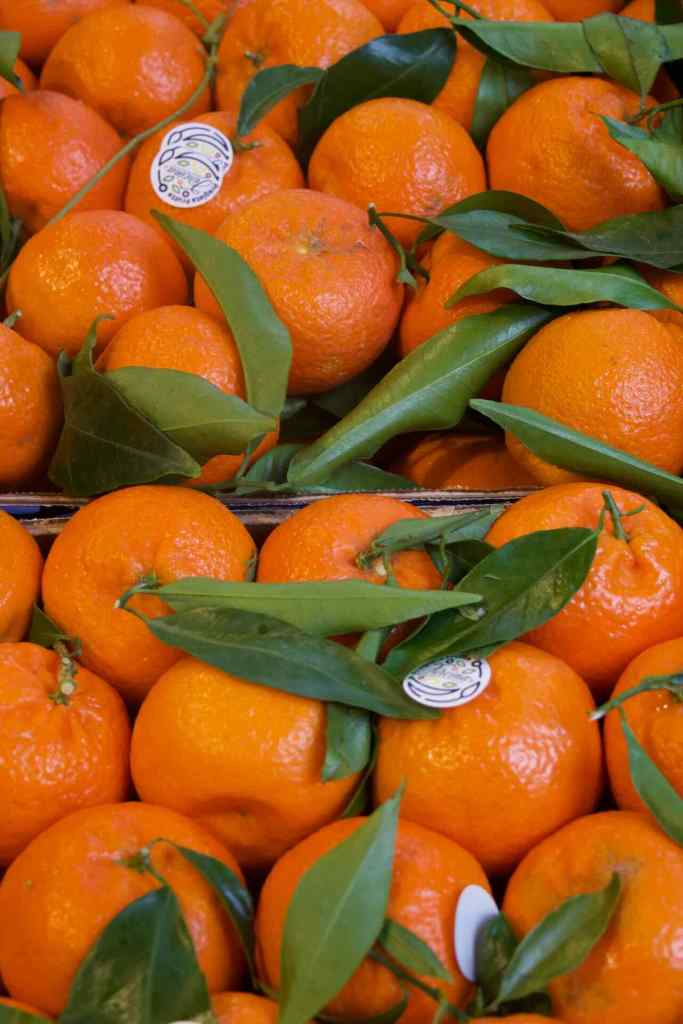
Fish, Veg and Fruit on the market
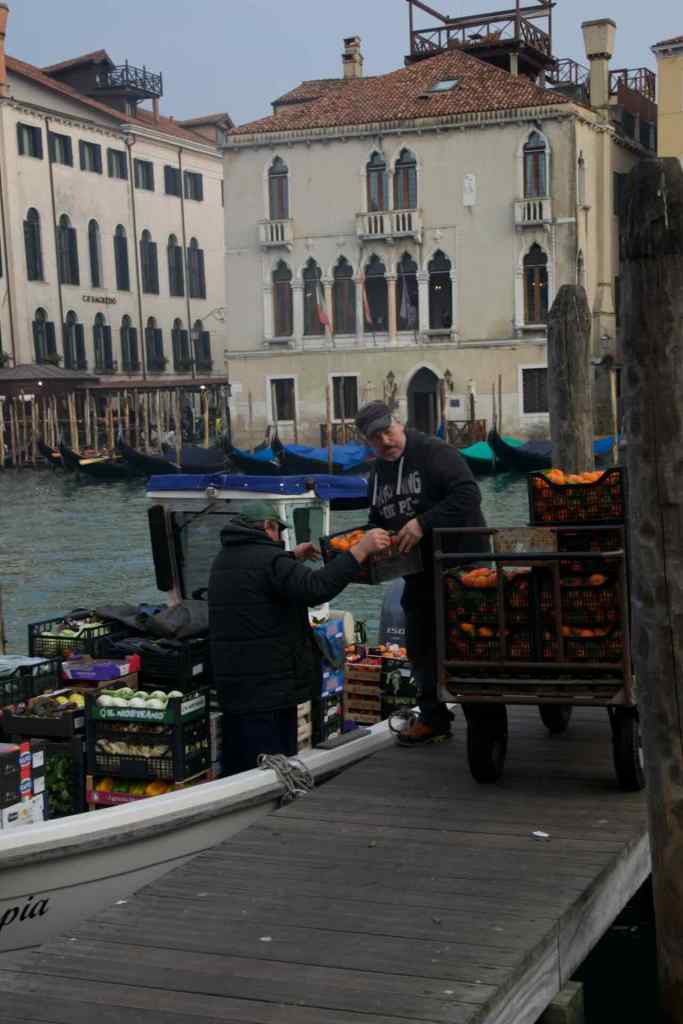
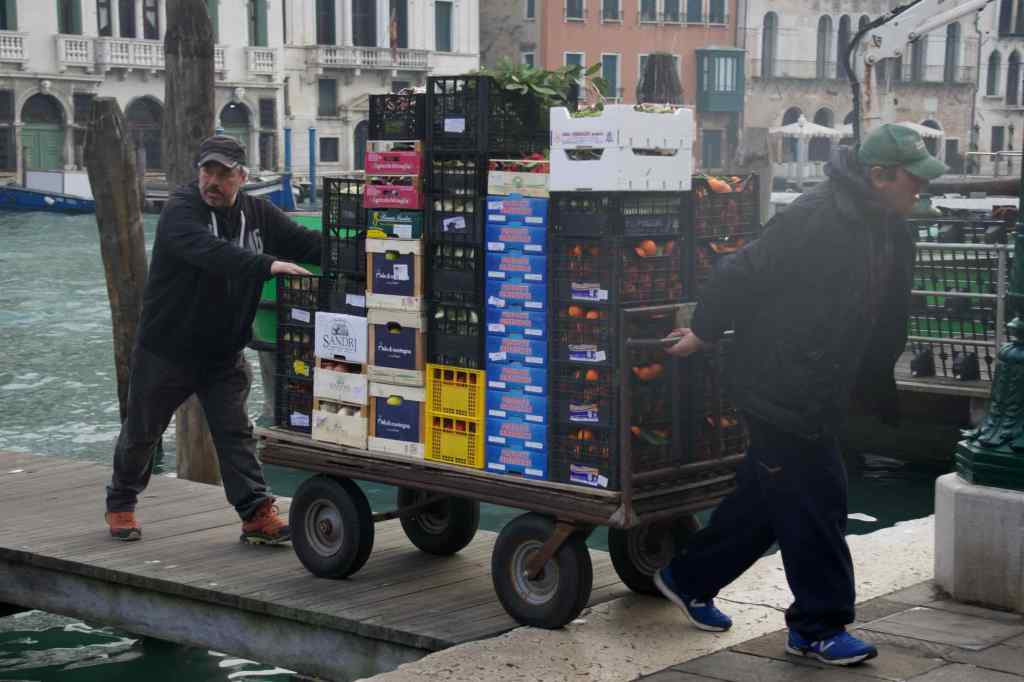
It’s hard graft unloading a boat full of fruit! These guys were on their third load of this drop off with more to follow.
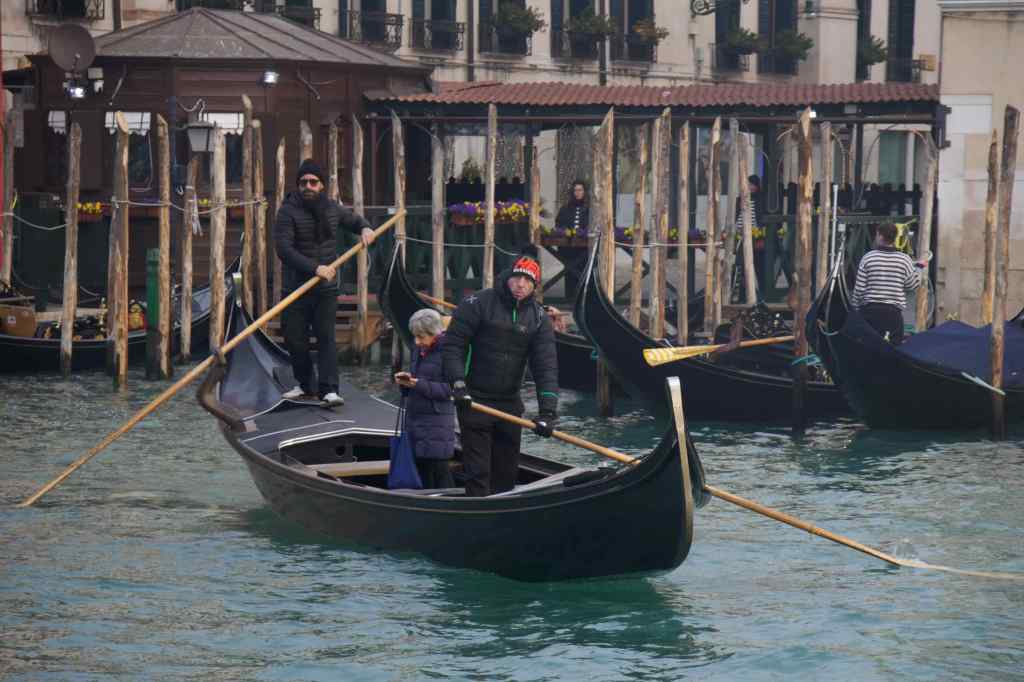
Gondola leaves its mooring on an early morning sightseeing trip.
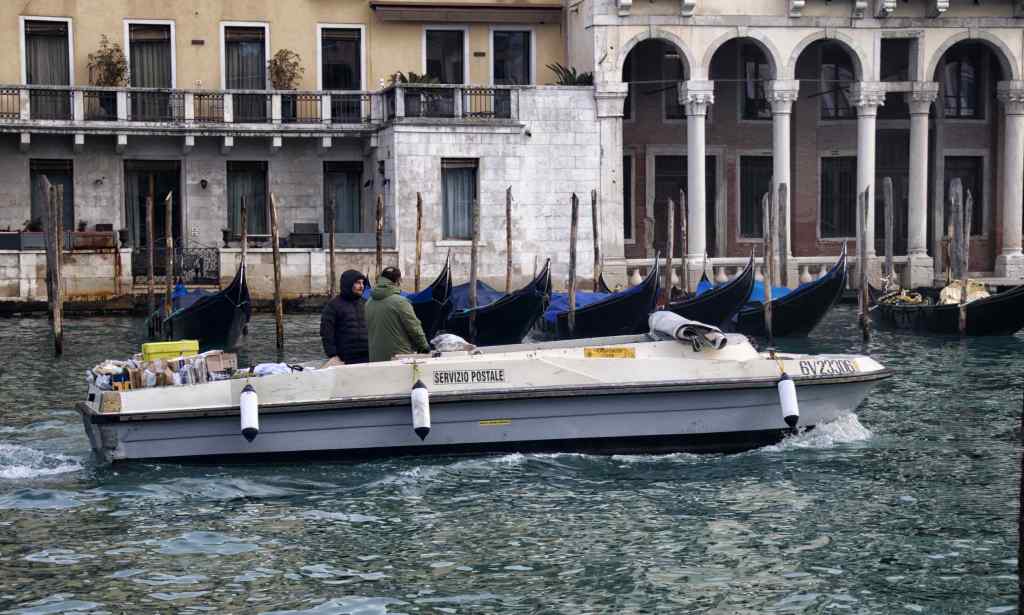
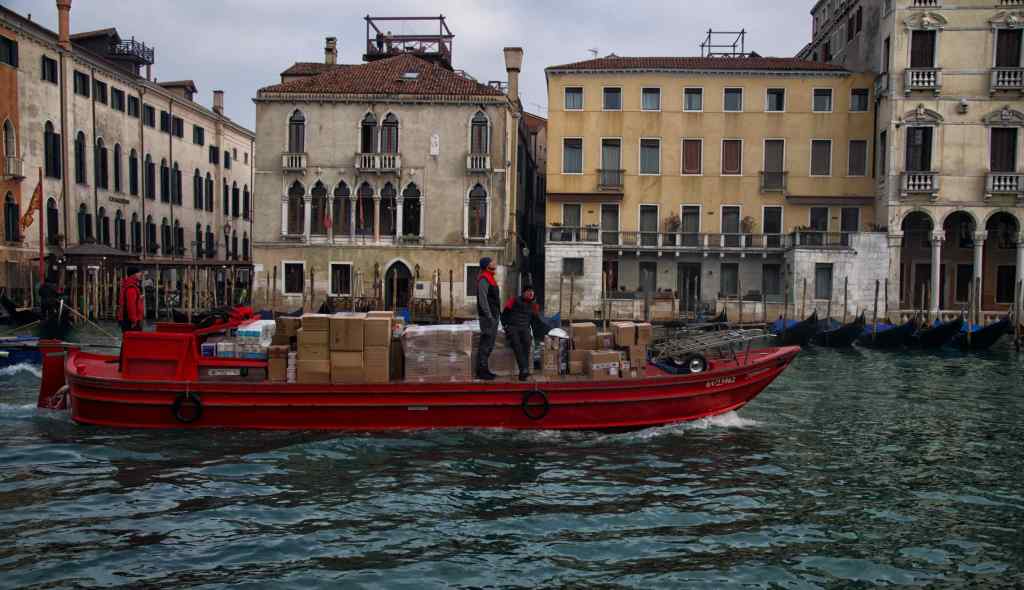
Post and parcel deliveries – Venice style
Landscape workshops would not be complete without some early morning (Sunrise) and evening shots. The beauty of going out in January is that sunrise is late and sunset is very early. below are a selection of images taken “out of hours”
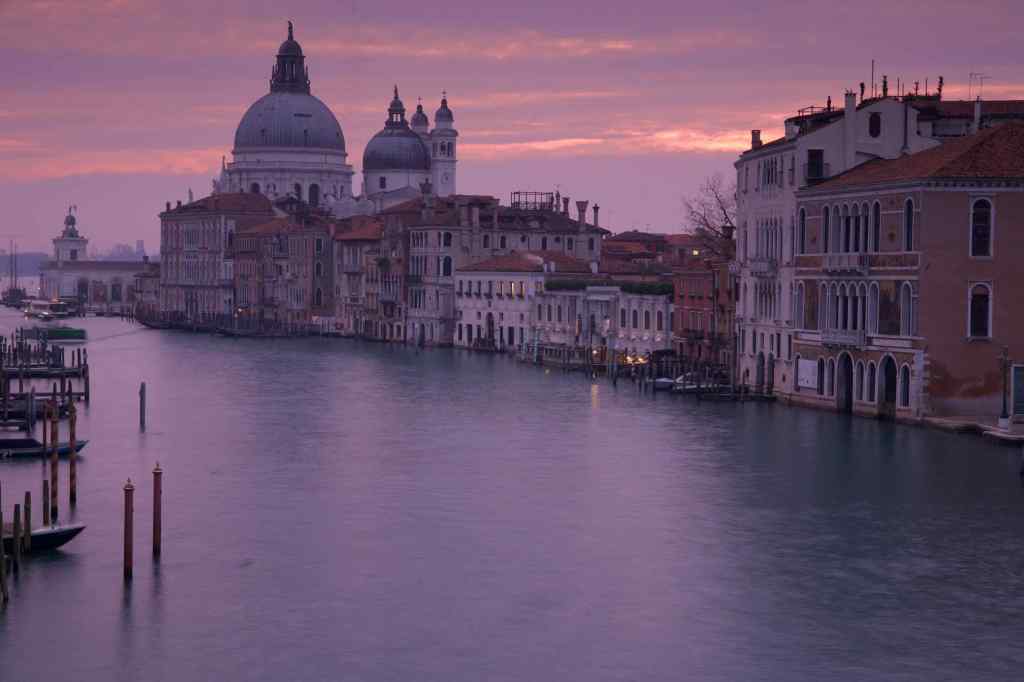
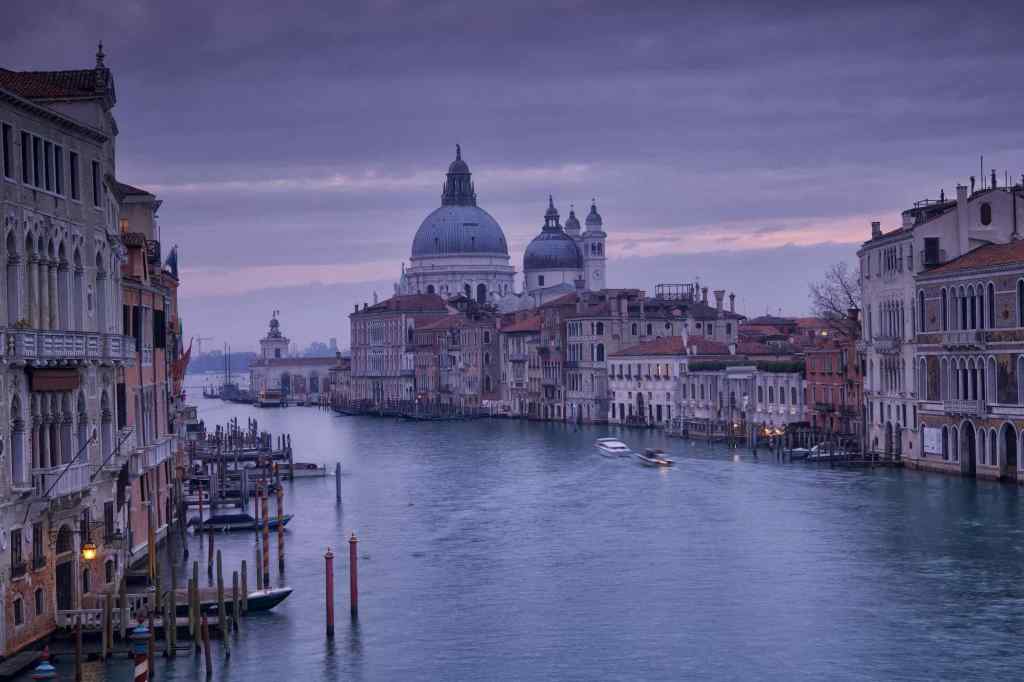
Two shots of the Santa Maria della Salute (church) from Academia Bridge
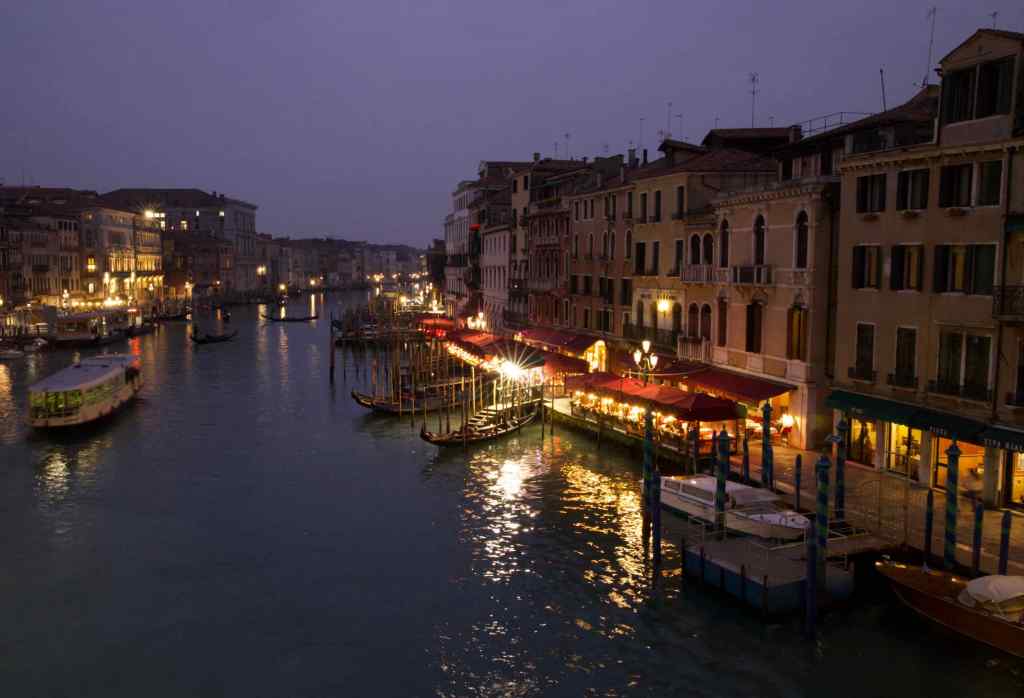
We visited the Rialto Bridge as the “blue hour” took hold. The bridge was very crowded and the risk of kit getting knocked over the edge was high. You needed big and sharp elbows to make enough room on the bridge.
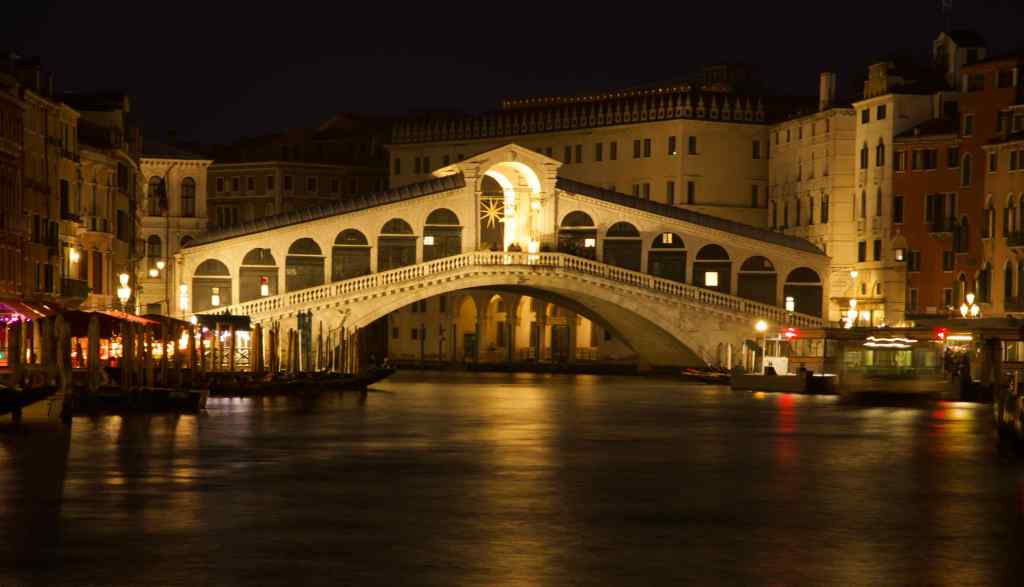
We moved from the bridge to a floating pontoon nearby where we took turns to walk out and photograph the bridge. The chosen platform was was narrow and quite unstable so a lengthy visit was fraught with risk. I shot only two images, of which this was the best.
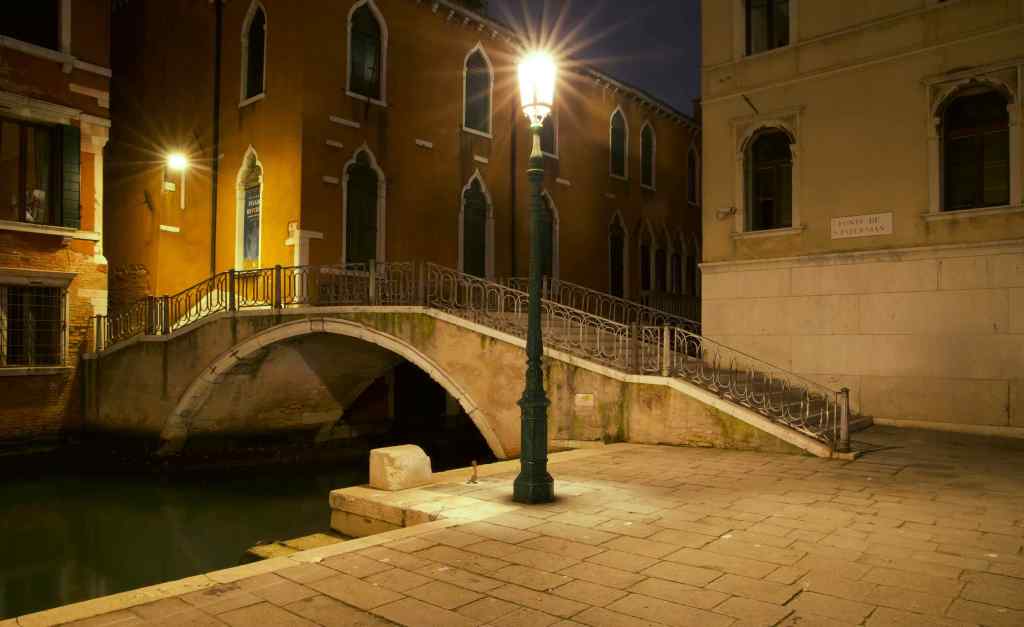
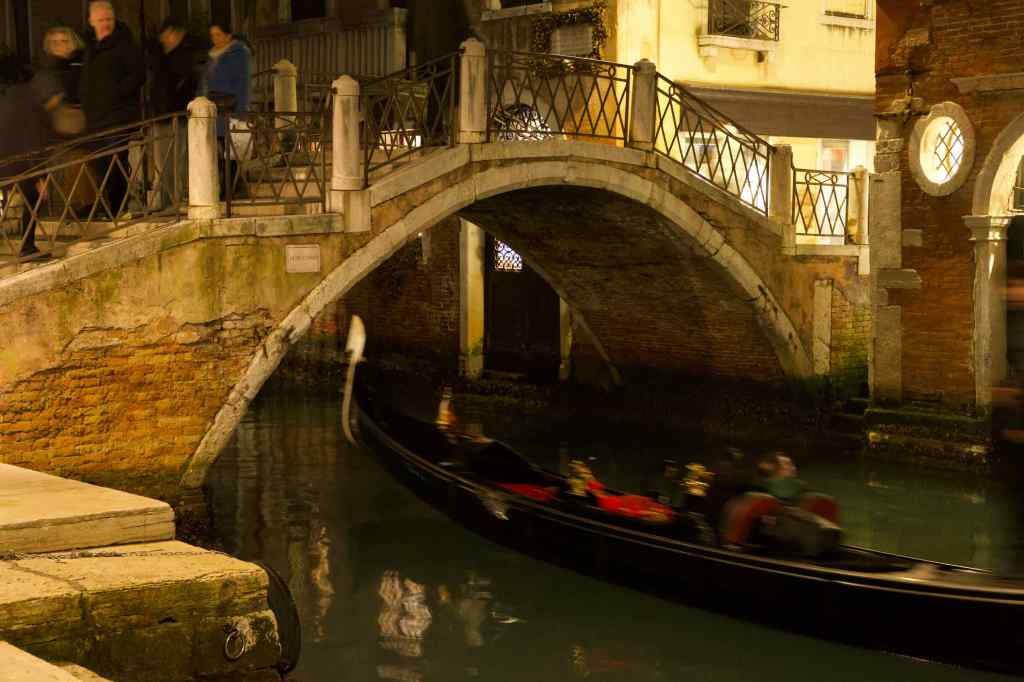
Images of the two bridges that sit at either end of Campo Manin, a small public courtyard near our hotel. Some lovely early evening long exposure shots.
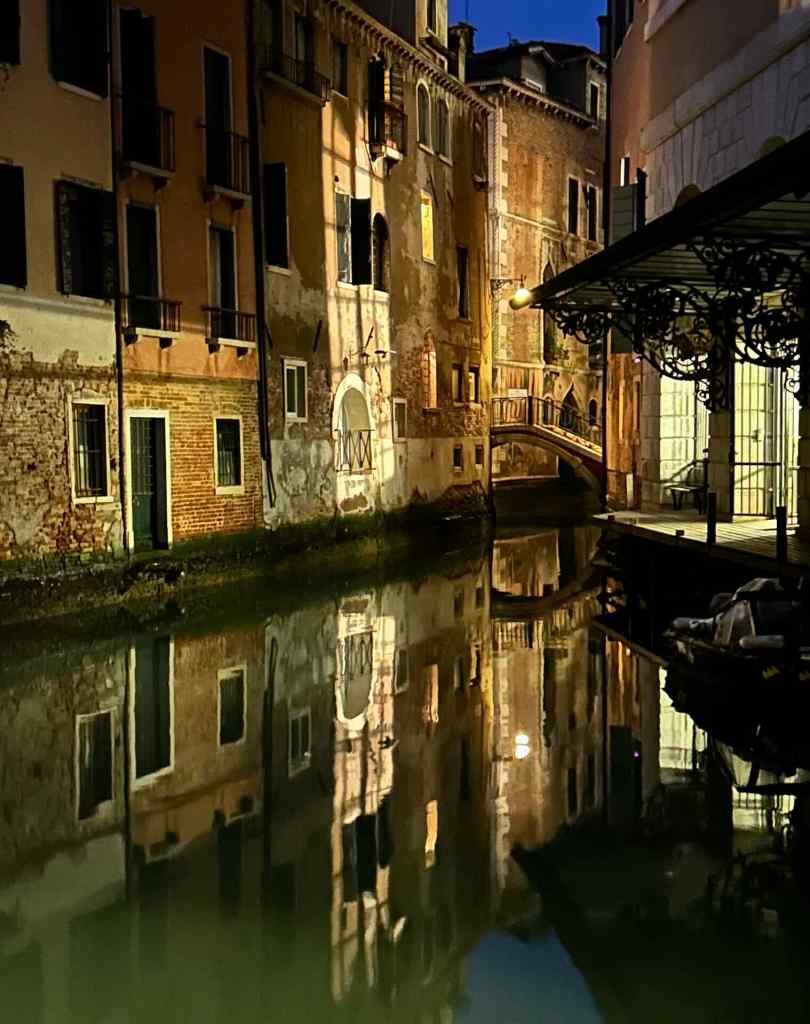
A “back street” canal at the rear of our hotel. The illuminated entrance leads to a small theatre.
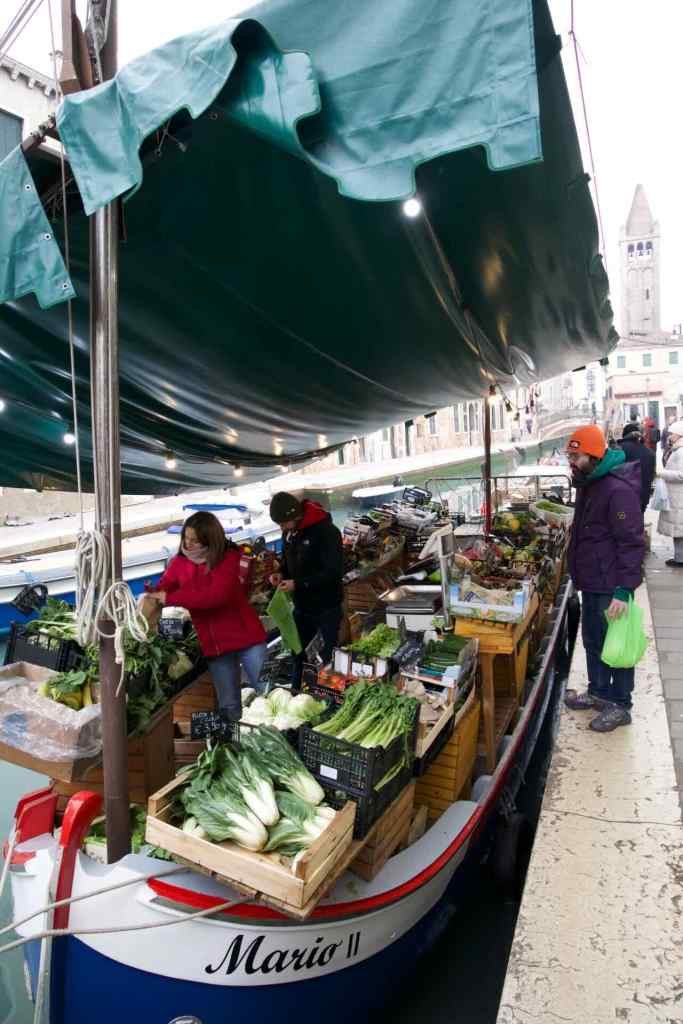
We were fortunate to be able to visit a Gondola factory just off the Grand Canal. Expecting an ornate and shiny workshop it was a surprise to walk into a large compound and up to a rickety old wooden door. We were greeted by our guide who talked us through the process of building a Gondola. There are only 4 Gondolas factories in Venice and their main trade is refurbishment of existing boats. They only build about 3 our 4 a year. As with many skilled crafts world wide, the art of Gondola making is slowly dying out.
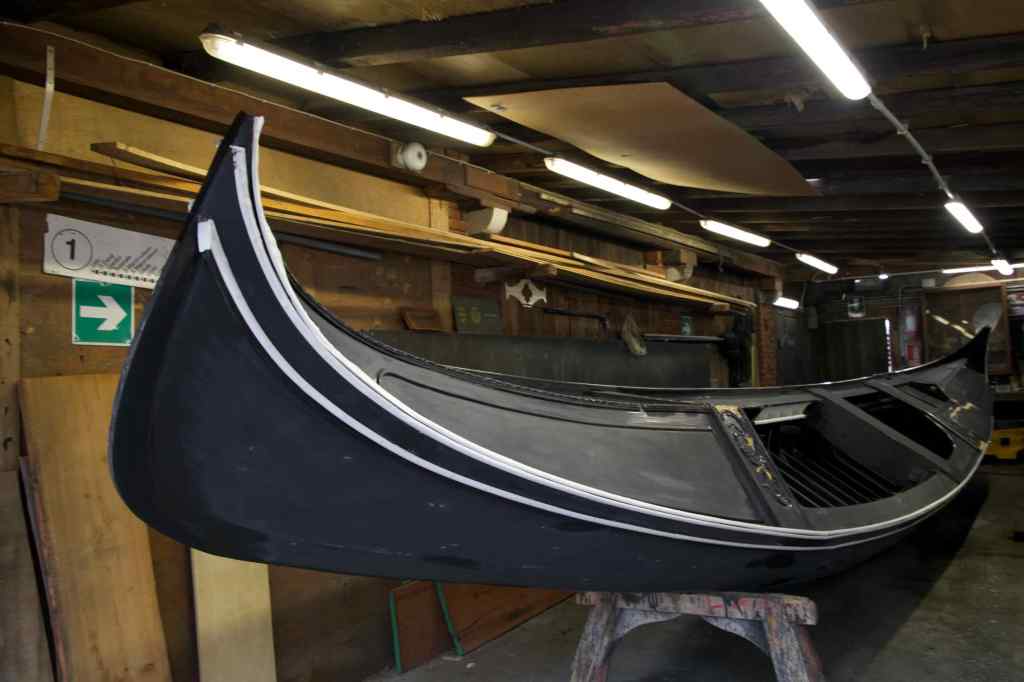
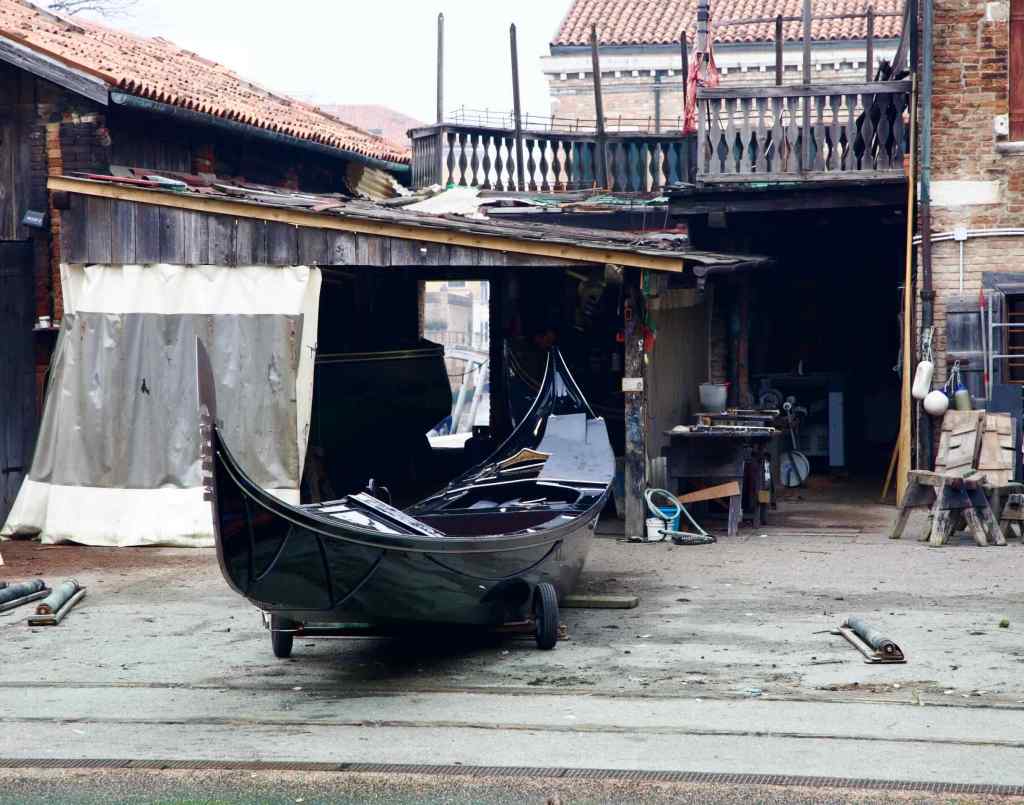
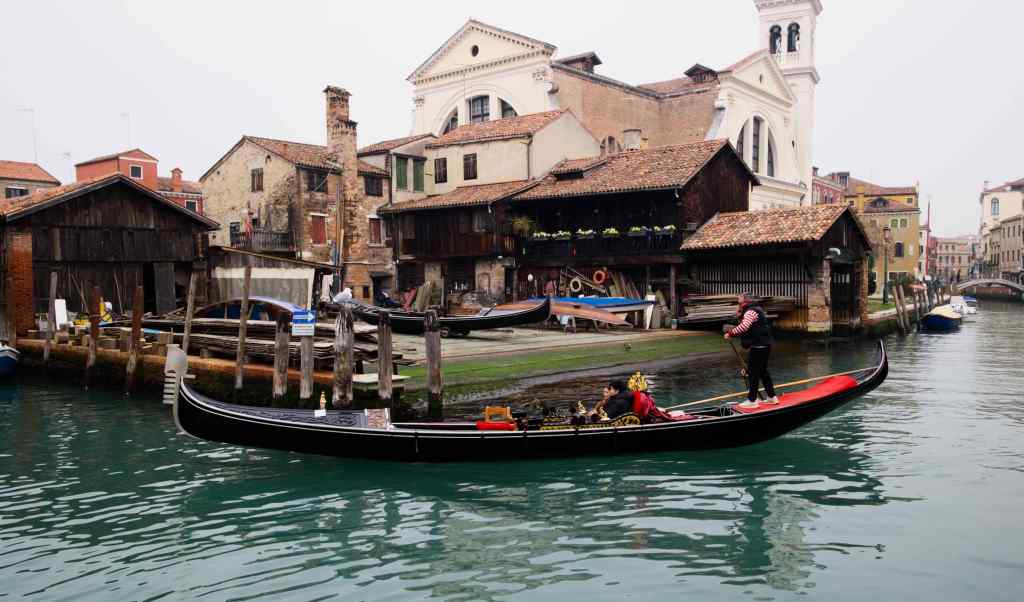
Three shots of the Gondola “factory” we visited.
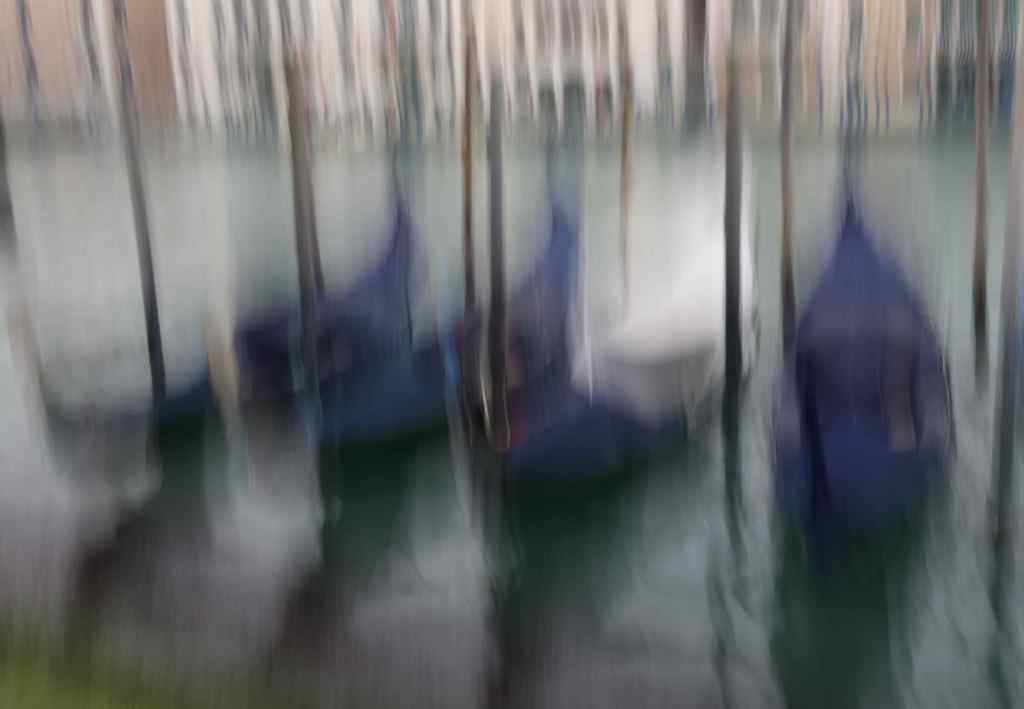
Multiple exposure shot of the Gondola park in Dorodorso.
The Venice trip offered different photographic opportunities from my usual favourite of rural landscapes. It was a challenging visit but thoroughly enjoyable. Would I go again, yes I probably would.
 davyh photography