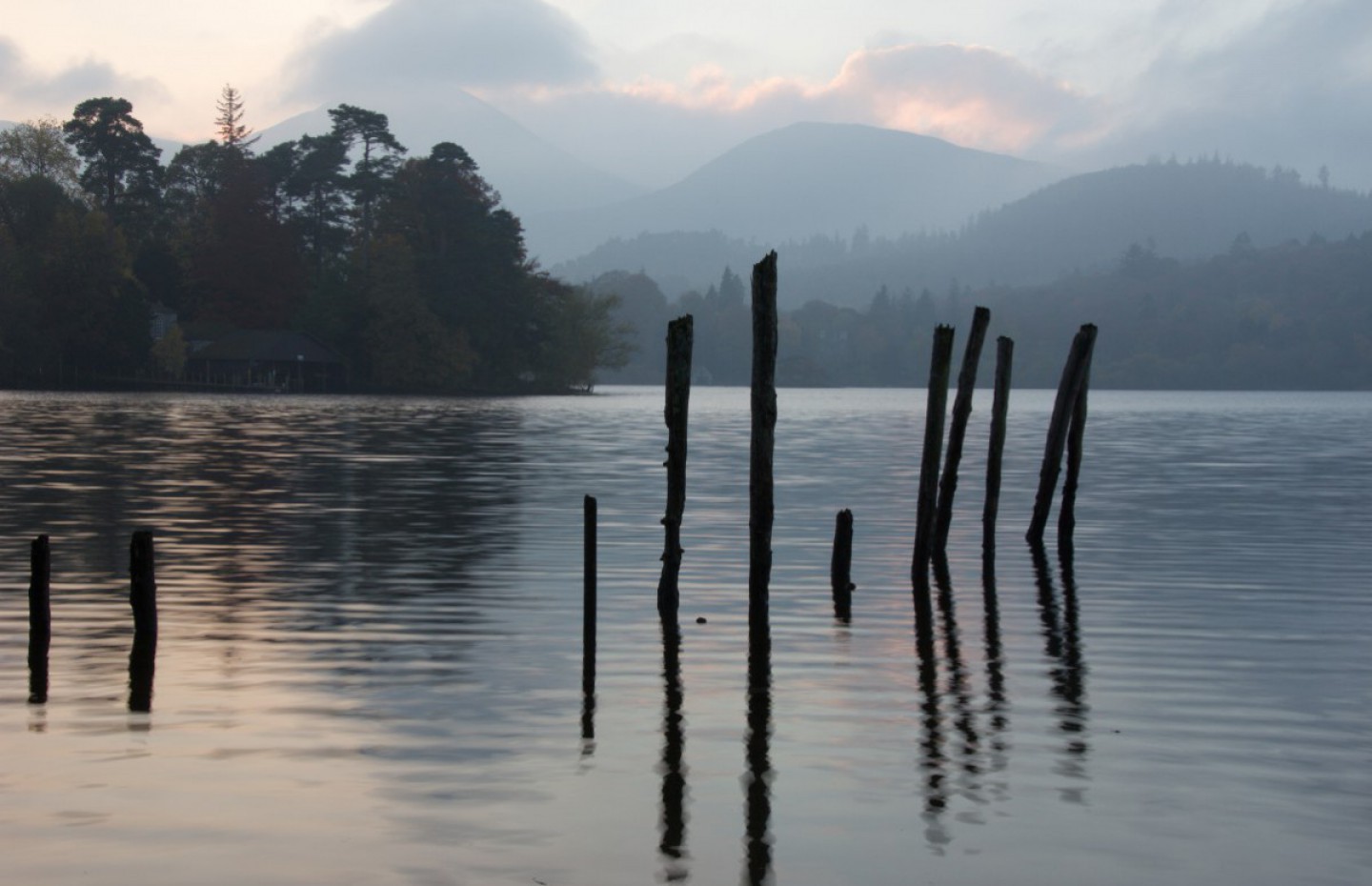
Mention Majorca to many British holiday makers it conjures up an image of bustling, noisy resorts with night clubs and boozed up young tourists. Add in a heady mix of stag and hen parties you would be forgiven for thinking that this is an international party island. However, there is a more measured and quiet side to this Spanish Mediterranean island. Head away from the main resorts around Palma and there are some quiet town and village locations especially to the east, without the sort of venues that attract the party set,
And so it was, in mid April we found ourselves on a jet from Gatwick to Palma Airport and a 1 hour transit to our hotel in the village of S’illot on the south east coast of Majorca. This was planned to be a quiet week of relaxation and warm sunshine with a couple of trips out and a bit of solo exploration.
The name S’illot derives from the Catalan word for “islet” and is derived from a small rocky island off the coast. There is evidence that the site of the current town was occupied in pre-history but was abandoned in the second century BCE at the time of the “Romanisation” of Majorca.
The village’s tourism industry developed in the 1930’s when the local area was divided into development plots. Post war developments means that tourism is now the main industry in the area with Sa Coma and Cala Millor the nearest popular resorts with excellent beaches and many hotels and apartments.
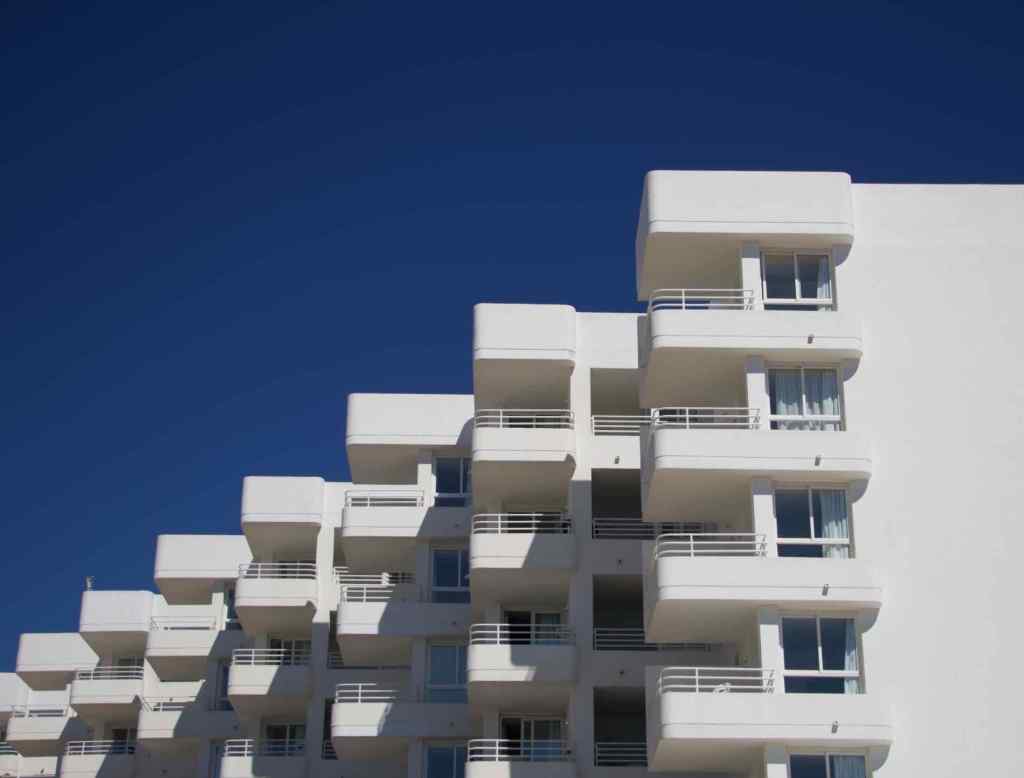
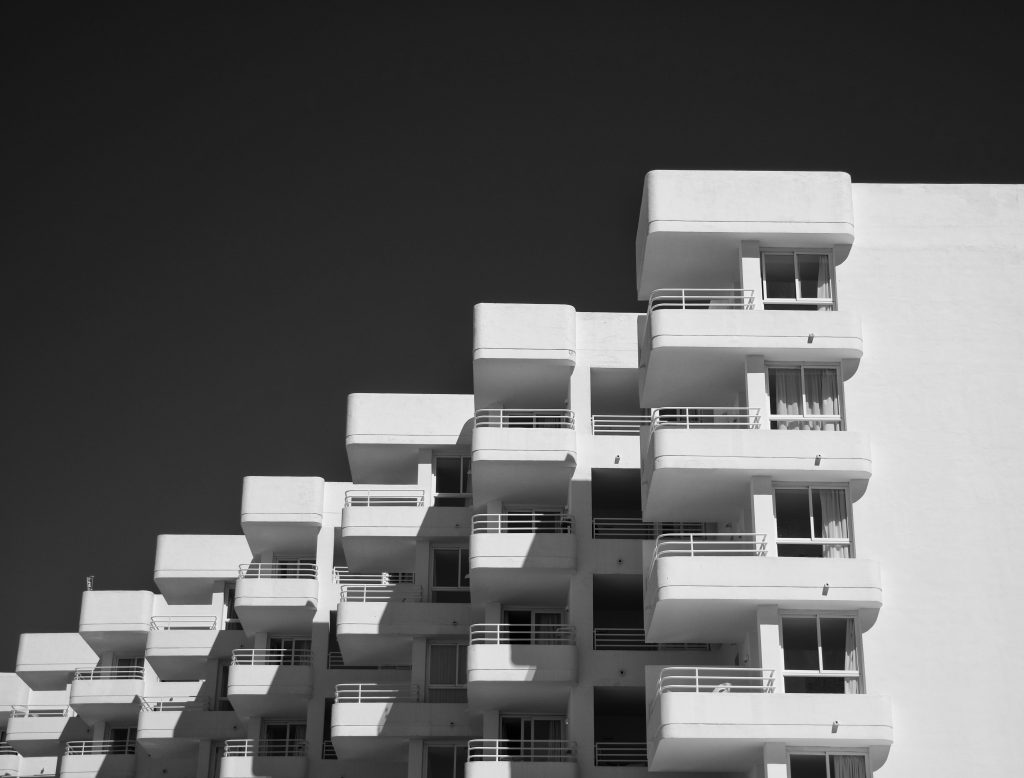
Colour and mono of a local hotel – trying out an architectural shot
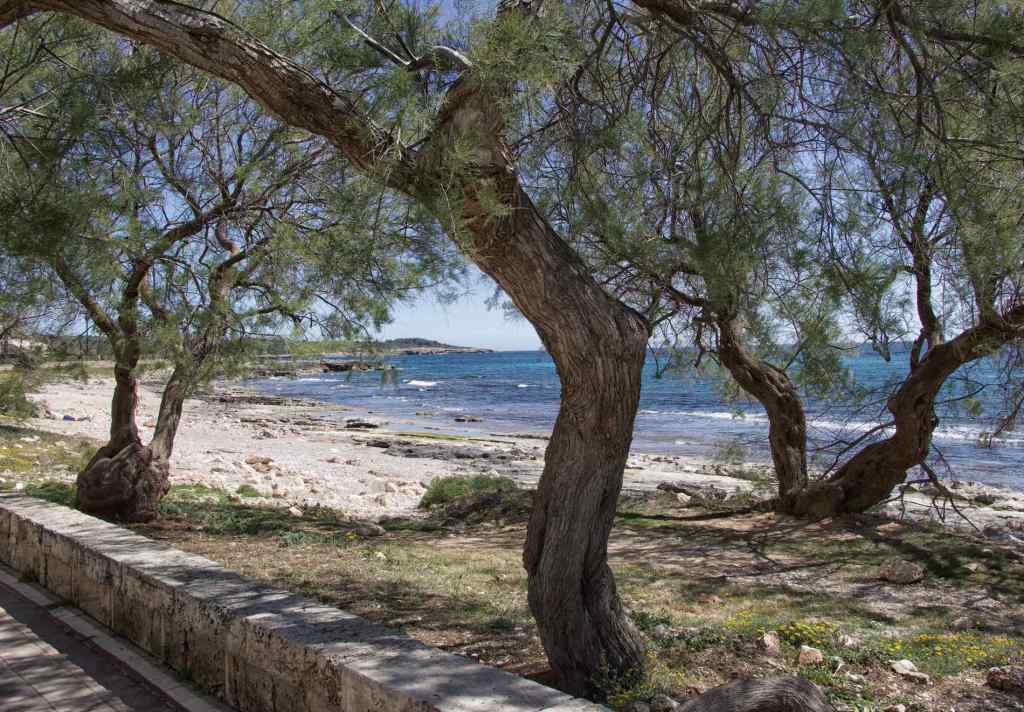
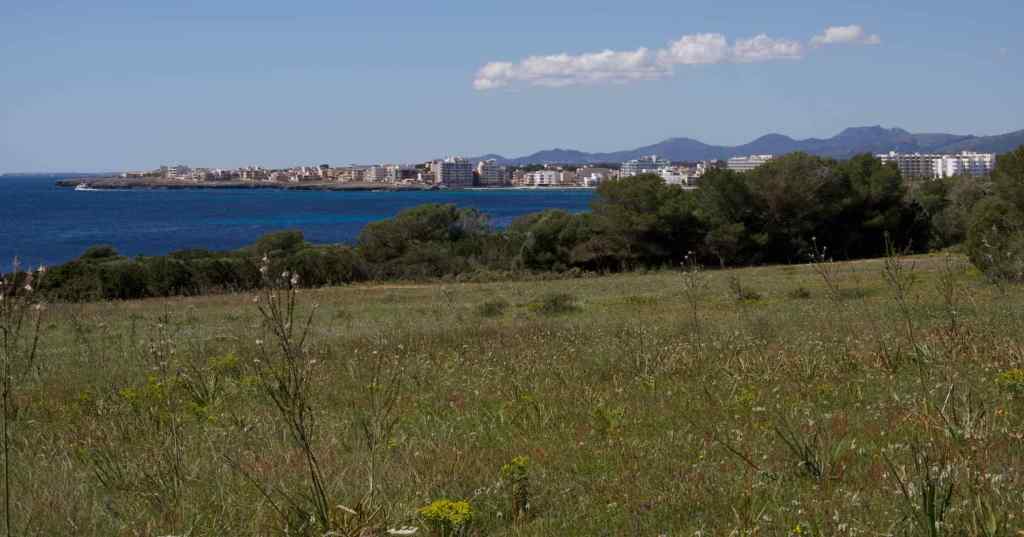
Scenes on the sea-front walk from S’illot to Sa Coma
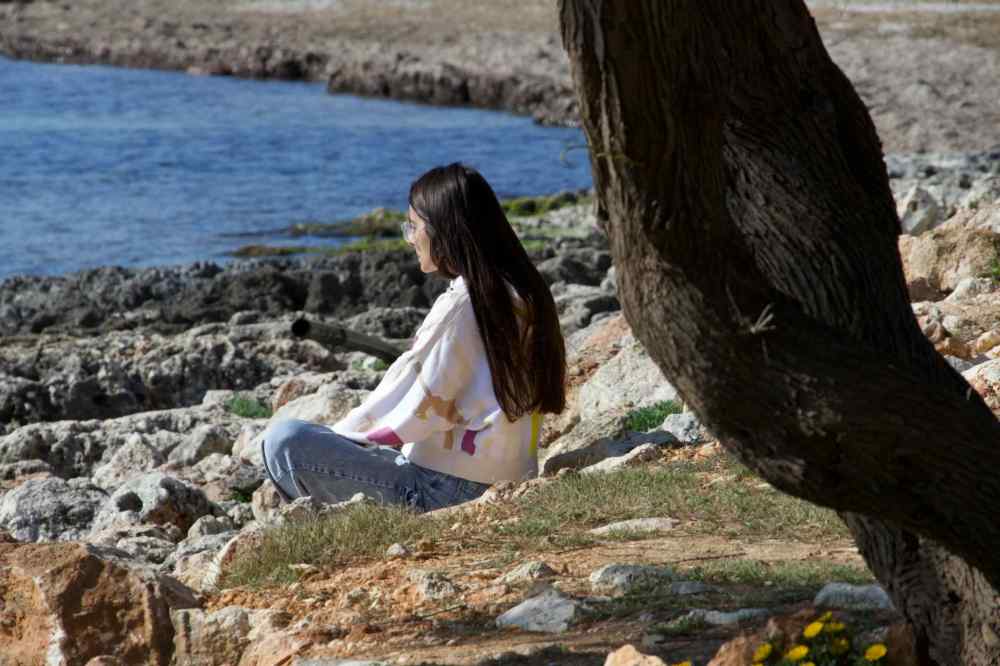
Just chillin’
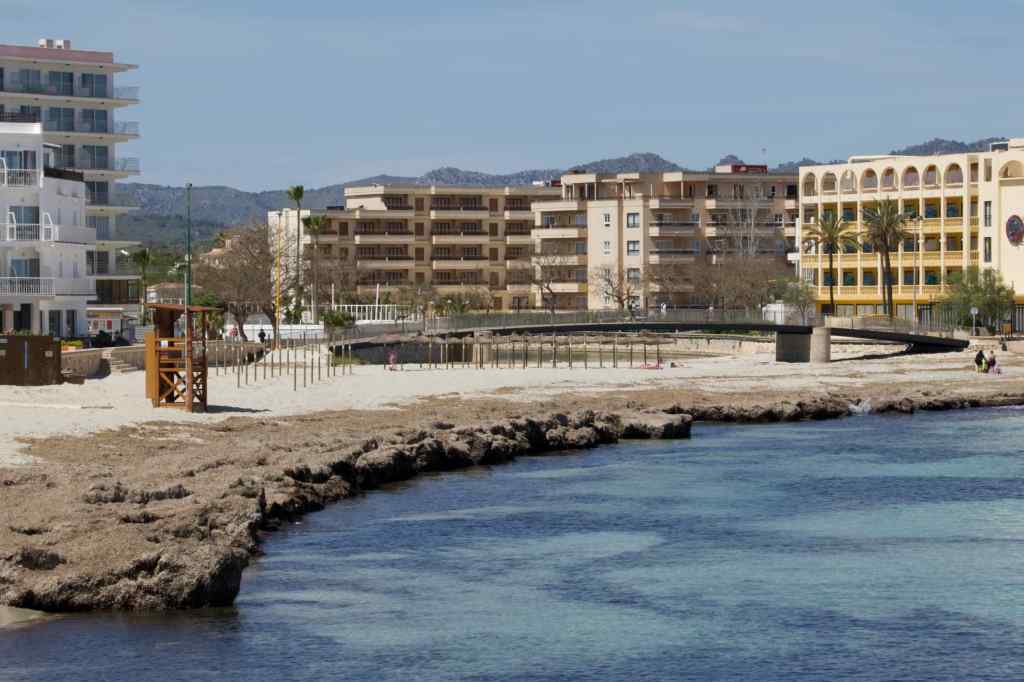
The bridge between S’Illot and Sa Coma
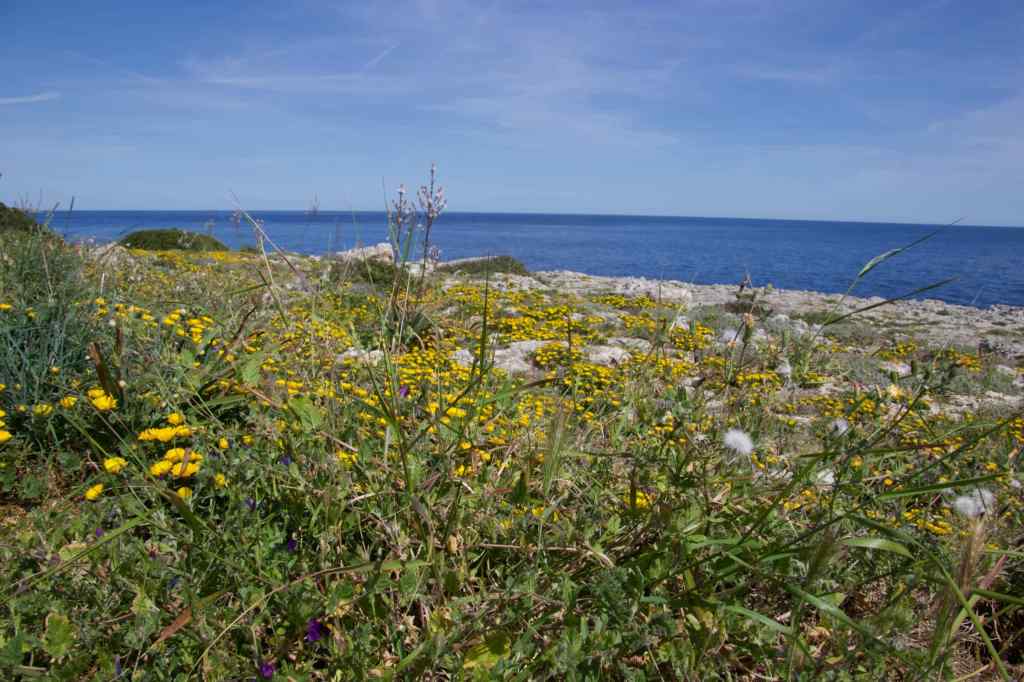
Coastal Nature Reserve
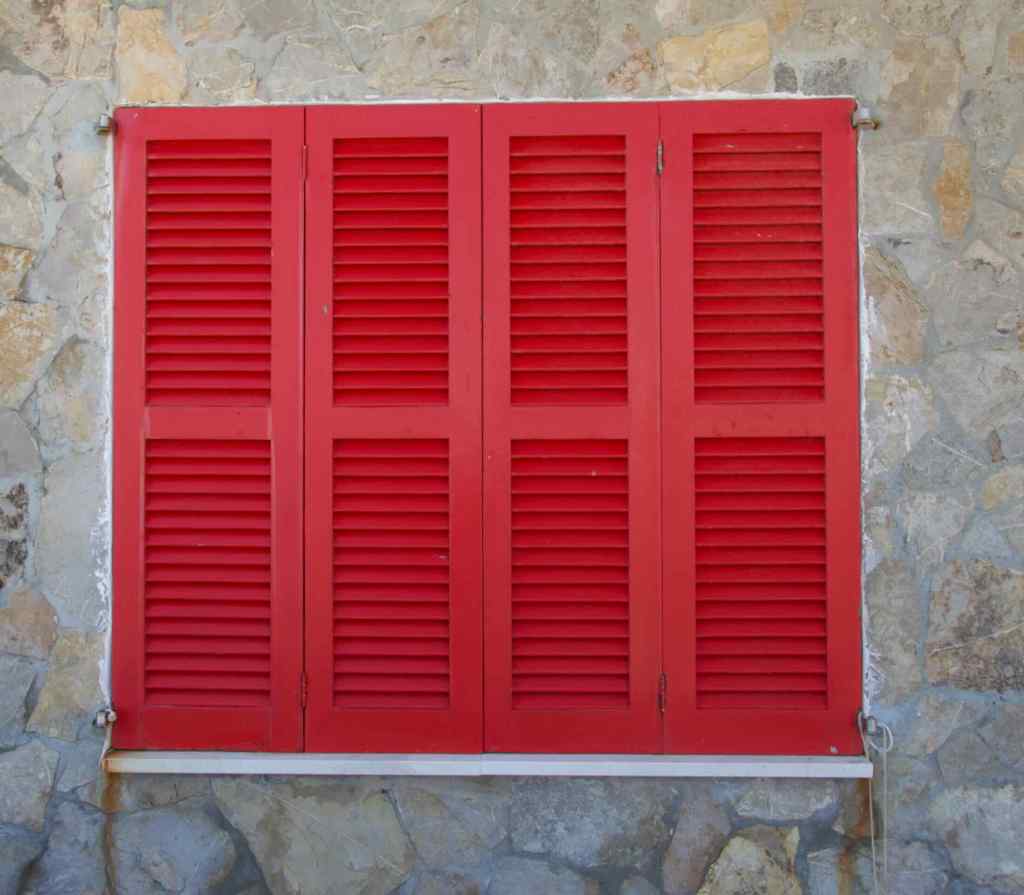
Shutters

One of the residents resting in the afternoon sun.
One of the area’s most popular attractions is the Caves of Drach, about 15 minutes away in the town of Porto Christo.
Porto Cristo is a modern but unspoilt all year round tourist location. Though in no way a primary tourist destination in Mallorca, the town promotes itself as a quiet resort and tries to encourage overseas visitors. It has a fine harbour with a few expensive looking boats, which may explain why it is a quiet tourist area rather than a bustling busy resort.
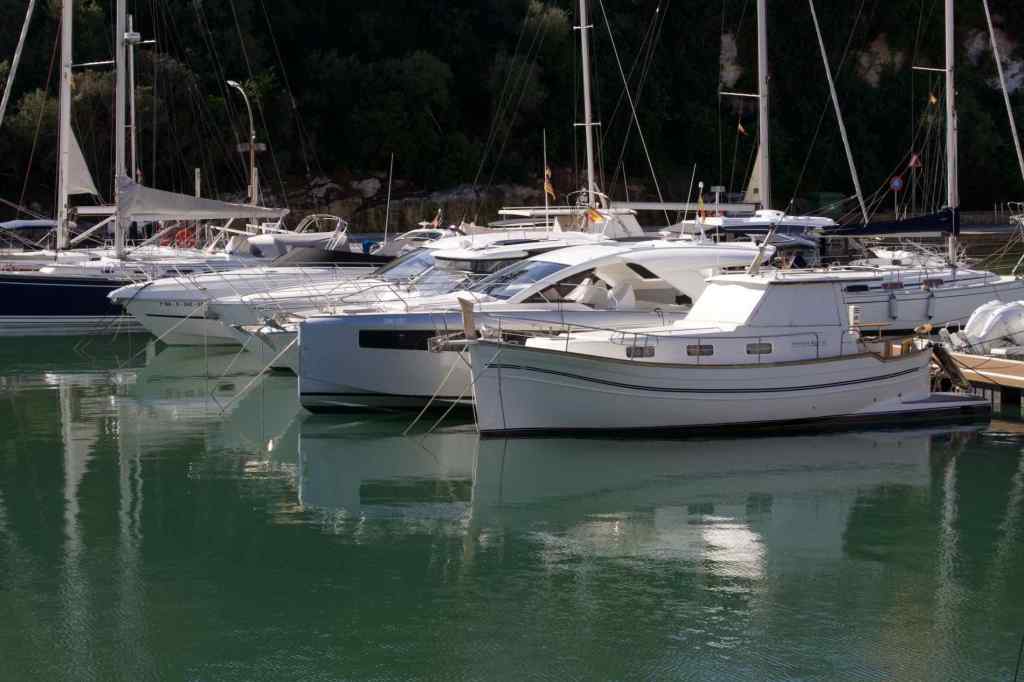
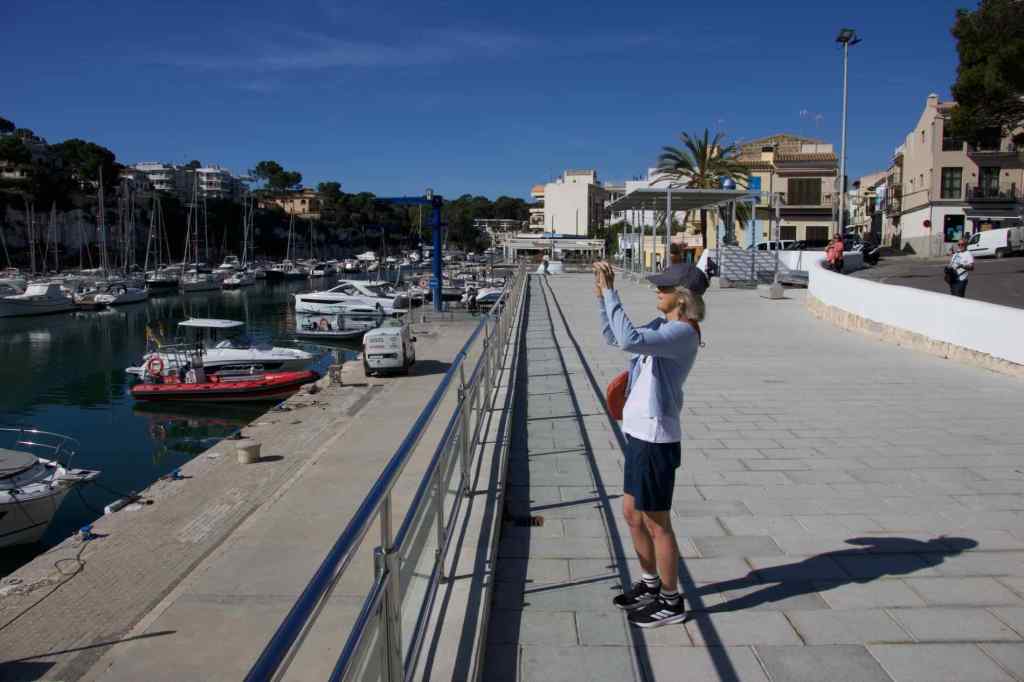
Two views of the harbour at Porto Christo
The Caves of Drach are a 15 minute walk from the harbour and are the primary tourist attraction in the area with a large car park and very busy cafe, even on a sunny day in April!
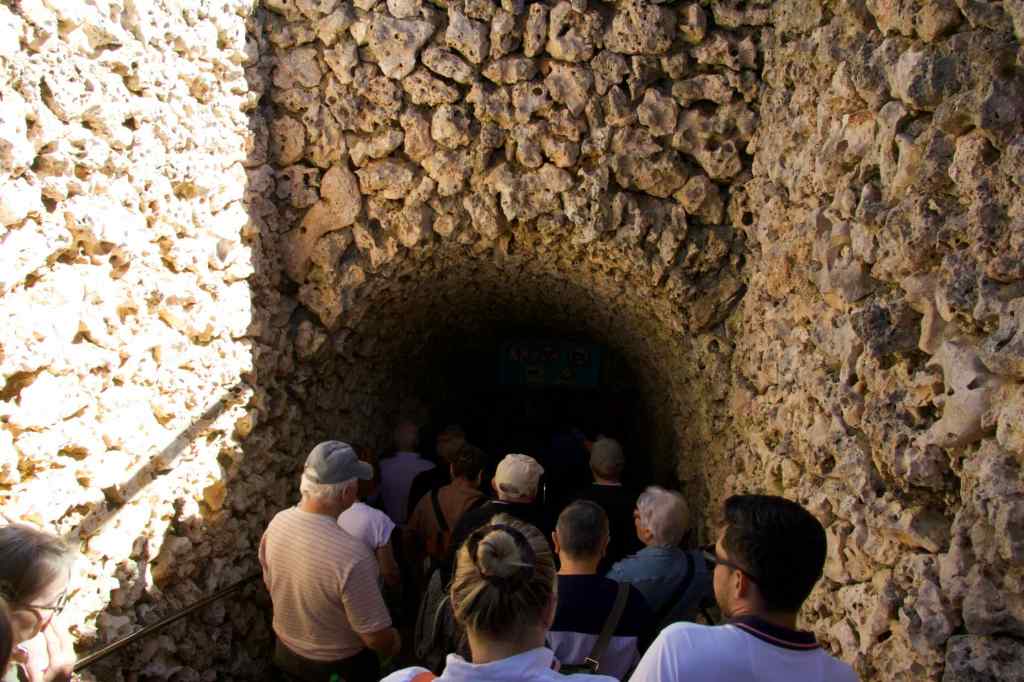
The entrance to the Caves of Drach – a steep descent into a dark and mysterious world
The caves date back to around 5 to 11 million years ago when the Mediterranean Sea was much warmer and had coral reefs and marine organisms on the seabed.
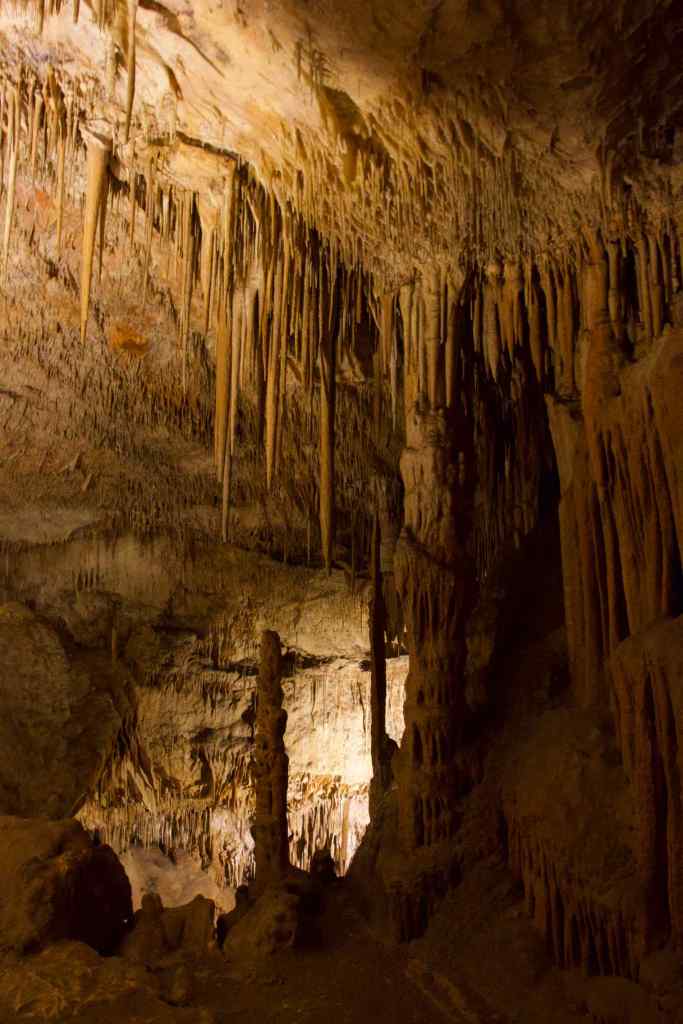
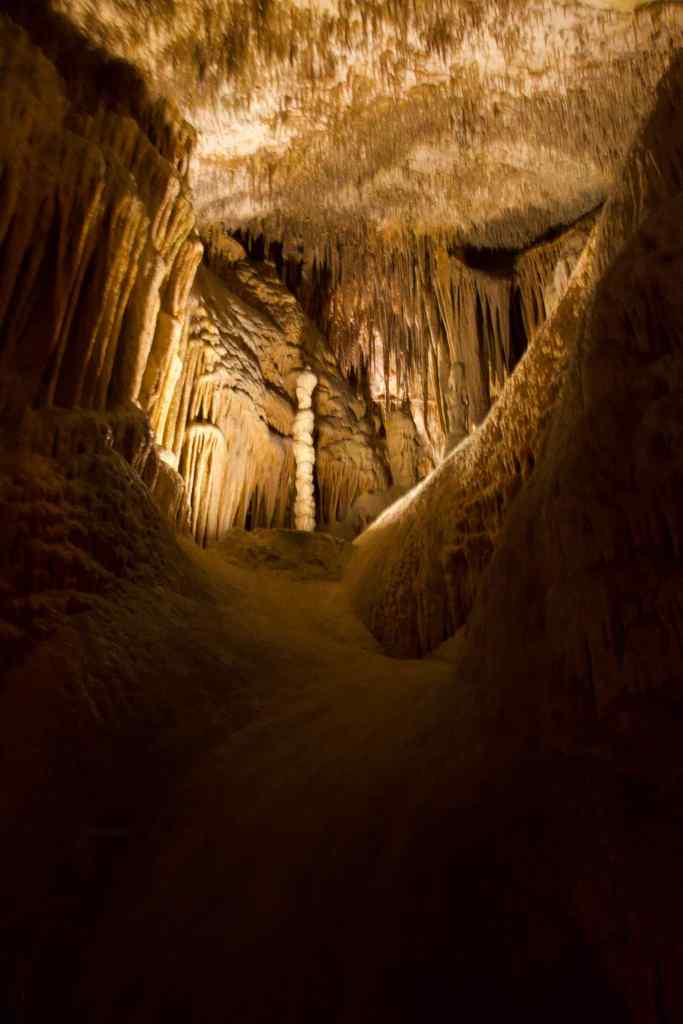
The rocks are calcareous in composition, formed by minerals such as calcite and aragonite, which is easily dissolved by the action of rainwater seeping through the cracks or by the porosity of the ground. These leaks lead to the formation of holes in the ground, which turn caverns and lakes as they increase in size, after which they become covered in stalactites on the ceiling, which drip and form stalagmites on the ground, some of which bind together to form columns.
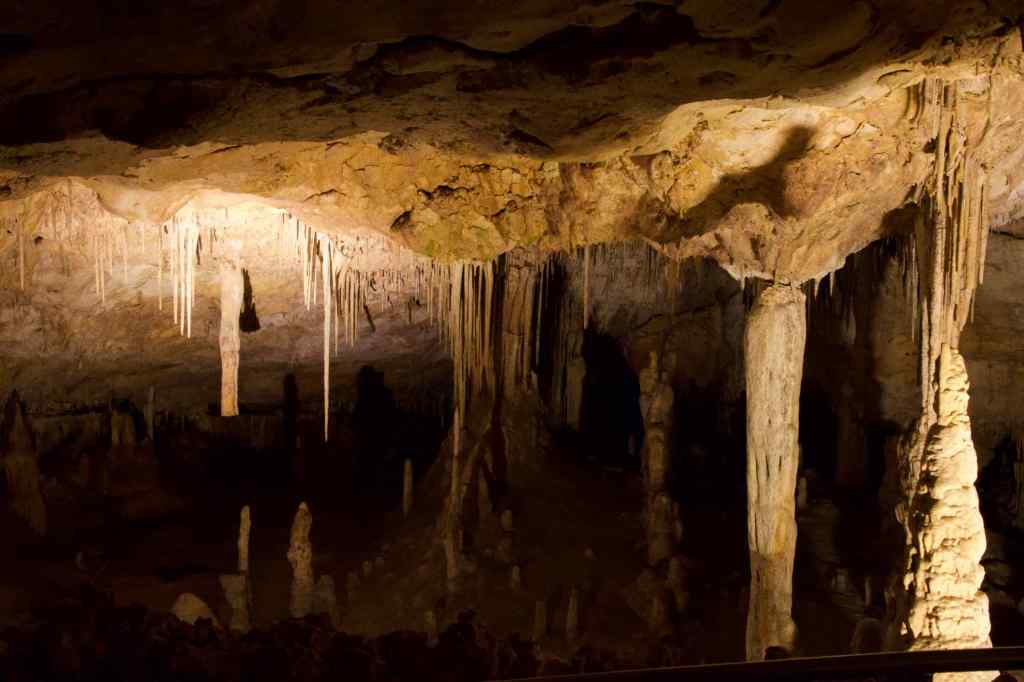
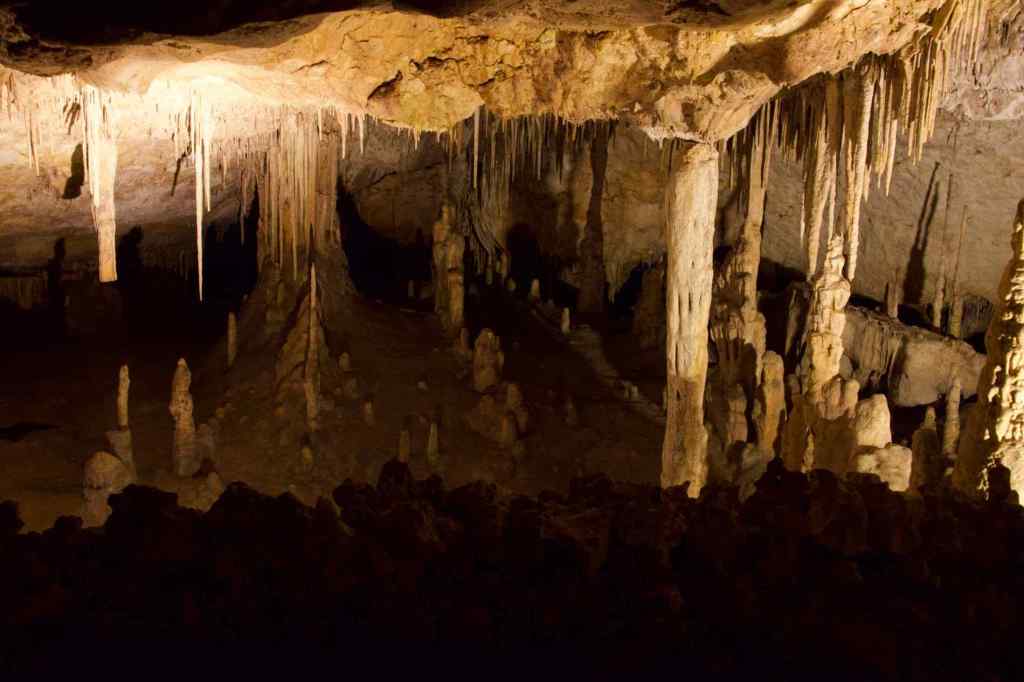
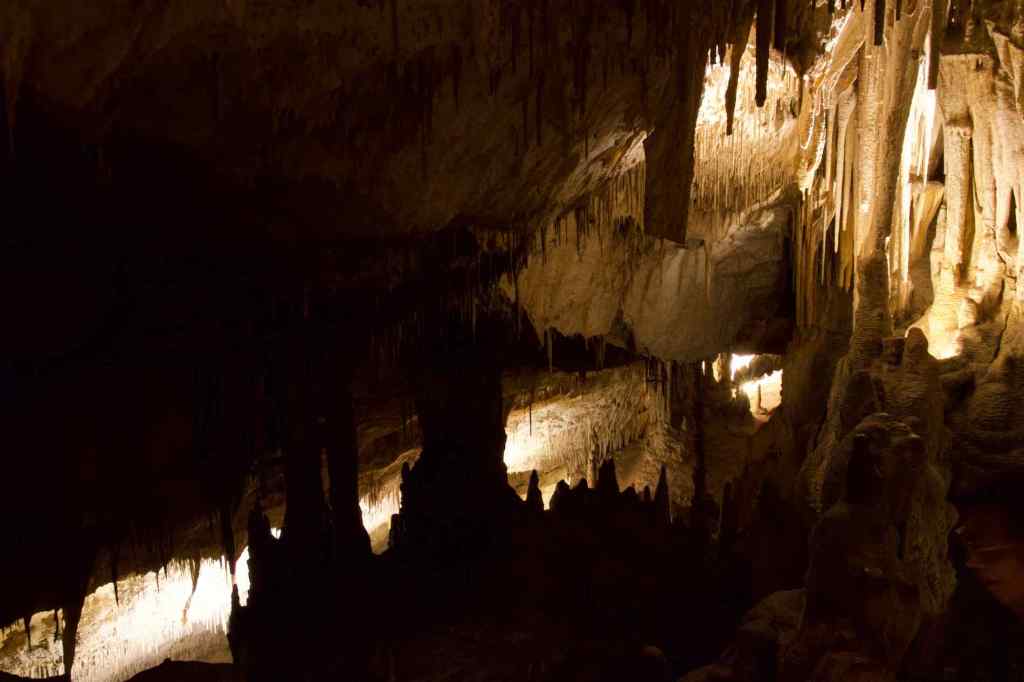
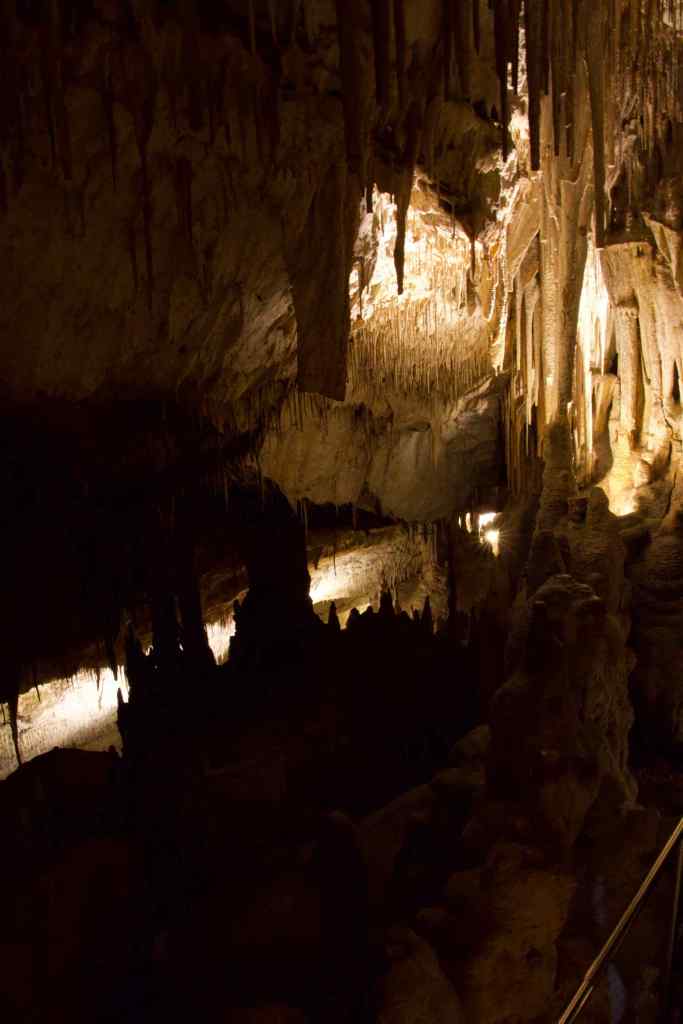
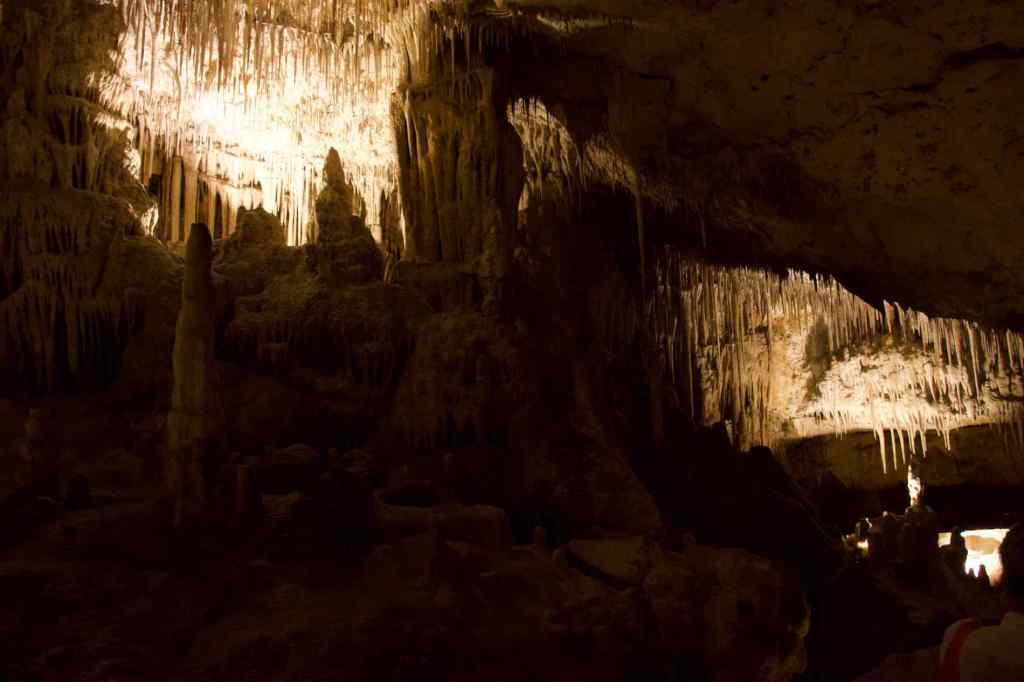
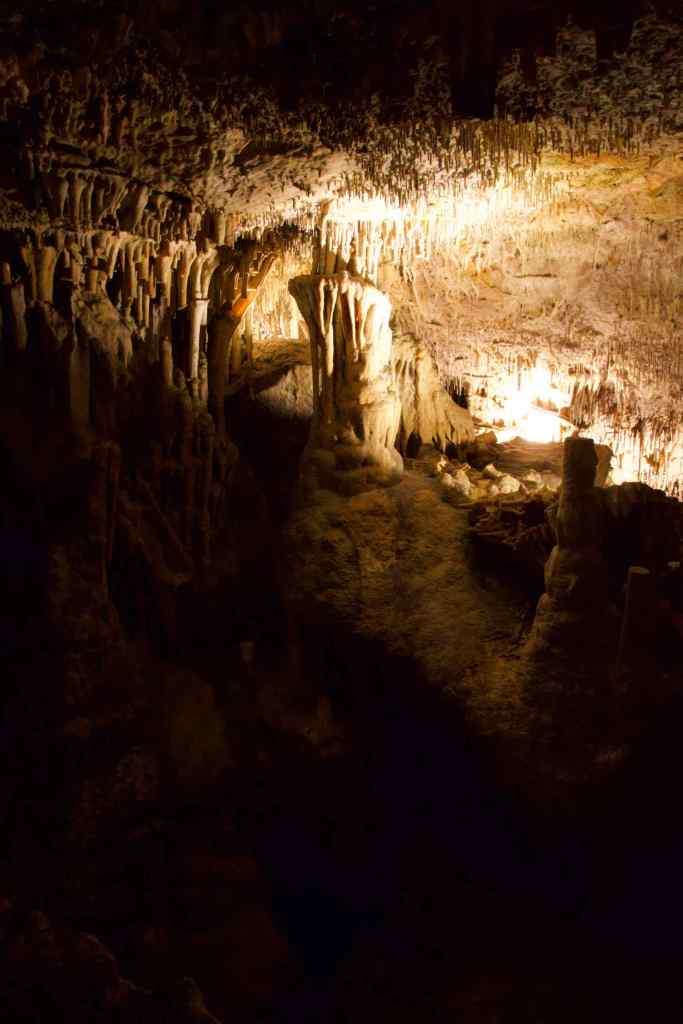
Some of the rock formations and Stalactites and Stalagmites inside the Caves of Drach
The tour is around 1.2km long and you descend to a depth of around 25m. The big feature is large underground lake where it is possible to take a short boat ride from one end to the other. Whilst it is a surreal experience, I found if you are in any way claustrophobic, it is quicker to walk!
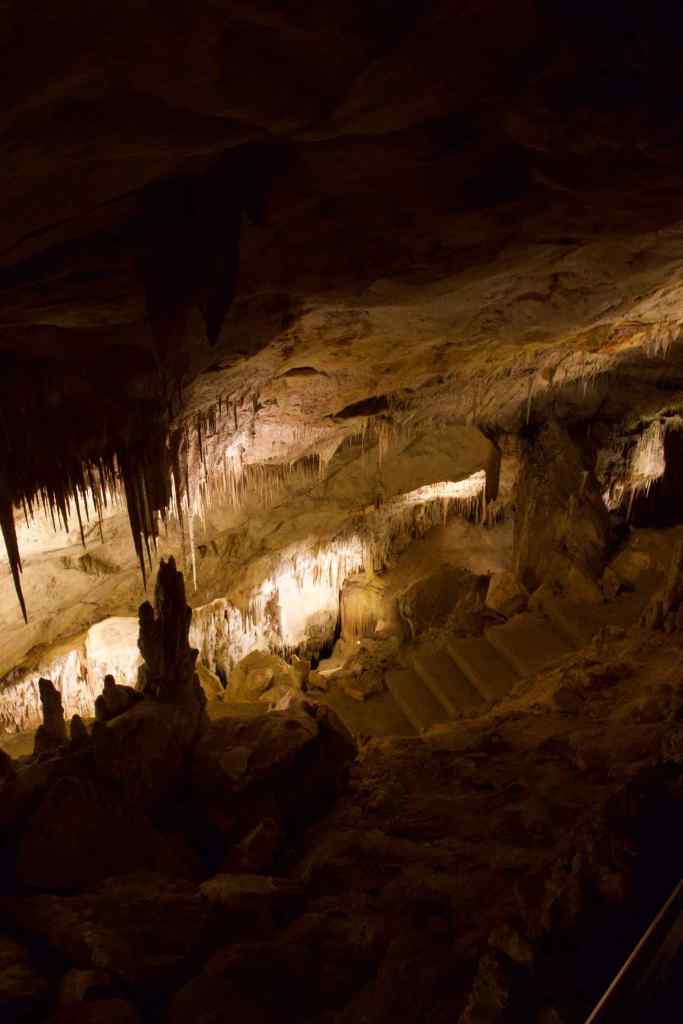
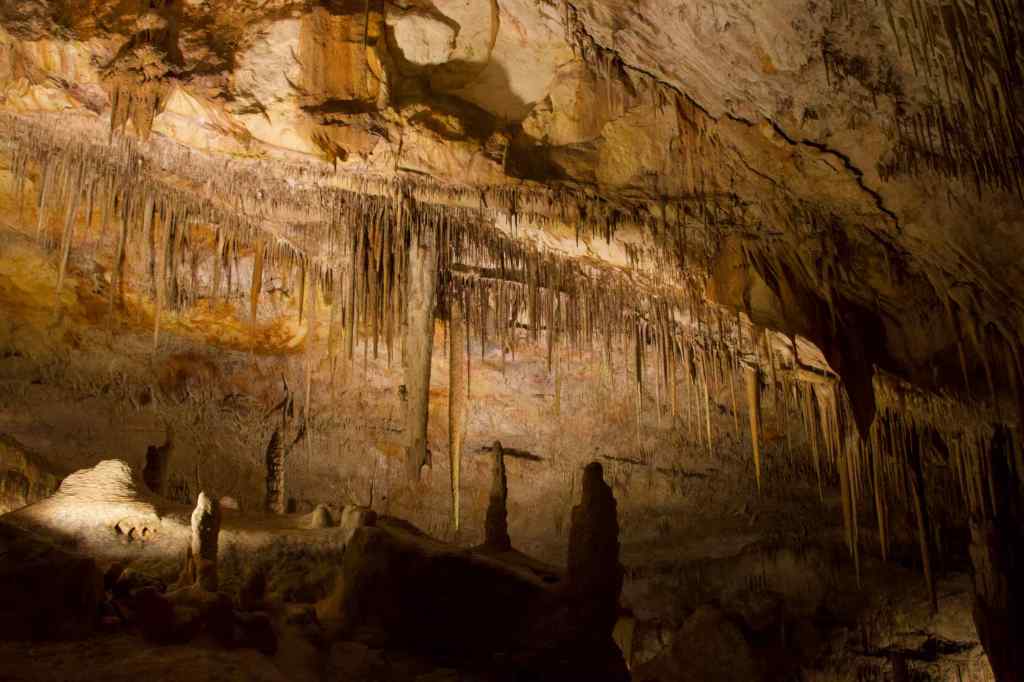
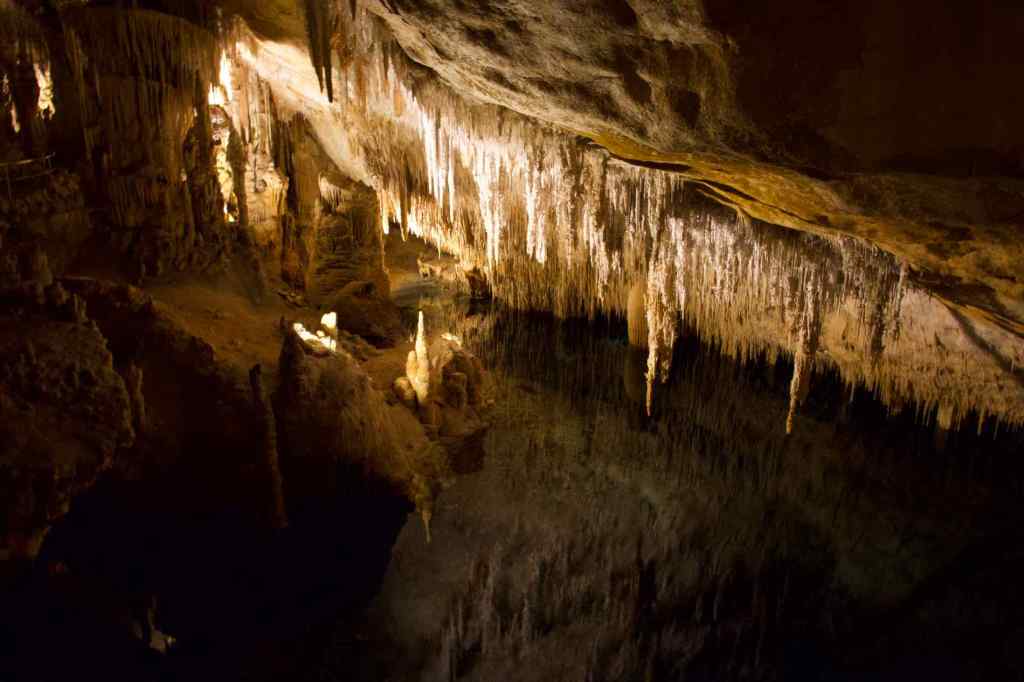
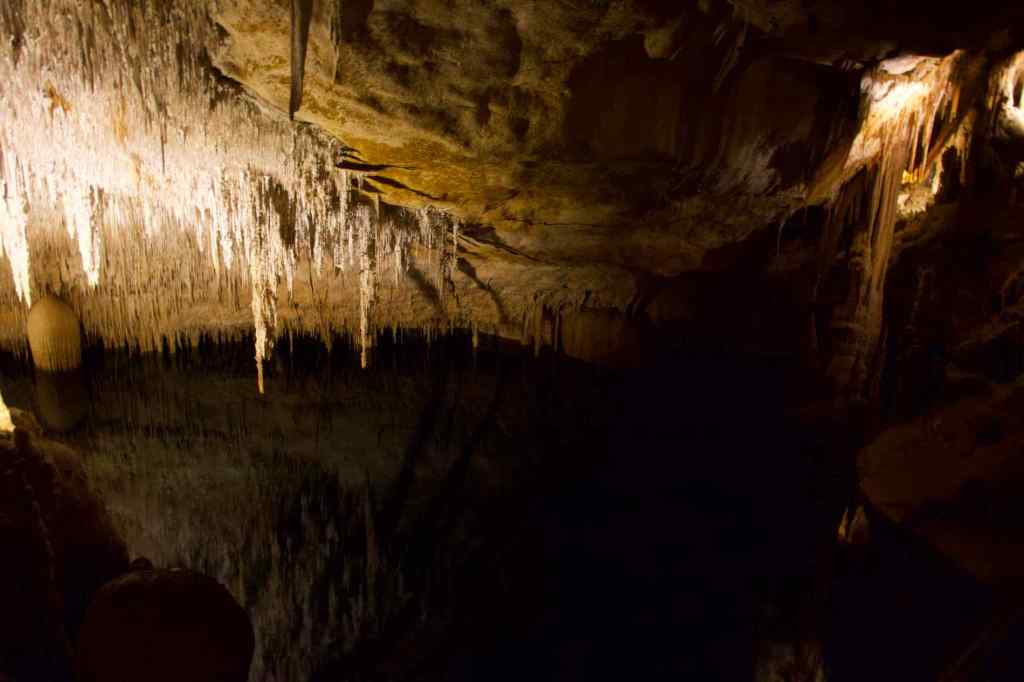
Once at the bottom of the cavern, you are ushered into a large seating area (about 600 seats) to watch a short (10 minute) concert by a string quartet playing excerpts from Handel’s Water Music whilst being rowed up and down the subterranean lake.
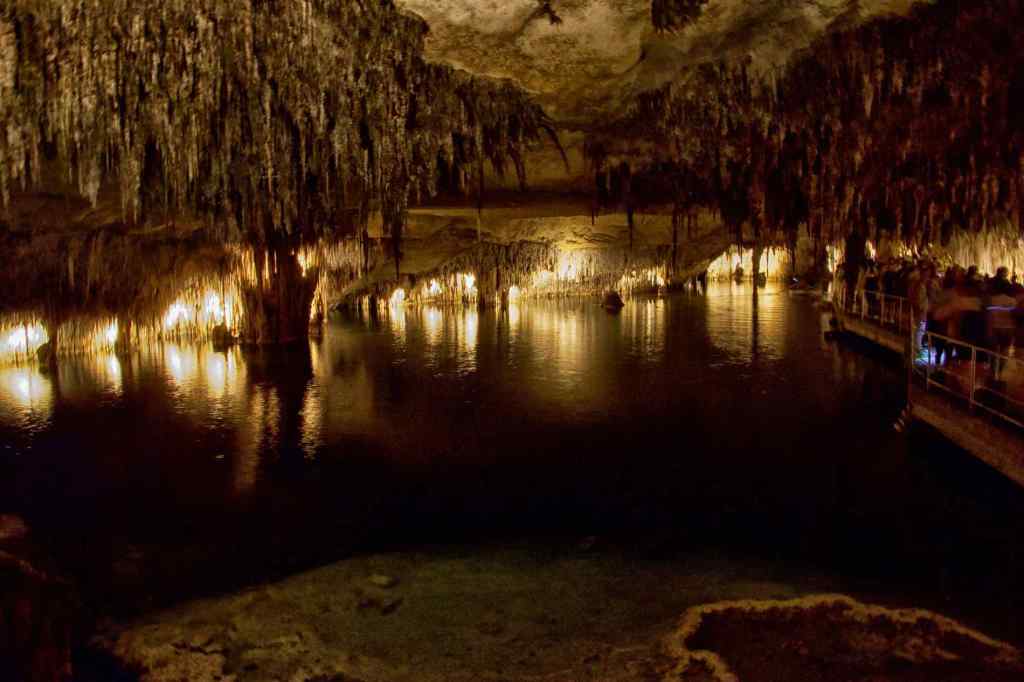
The Lake at the Bottom of the Caves
Once the concert had finished, a slow human snake left the auditorium and followed the path alongside the lake and eventually back to the bright sunlight on top.
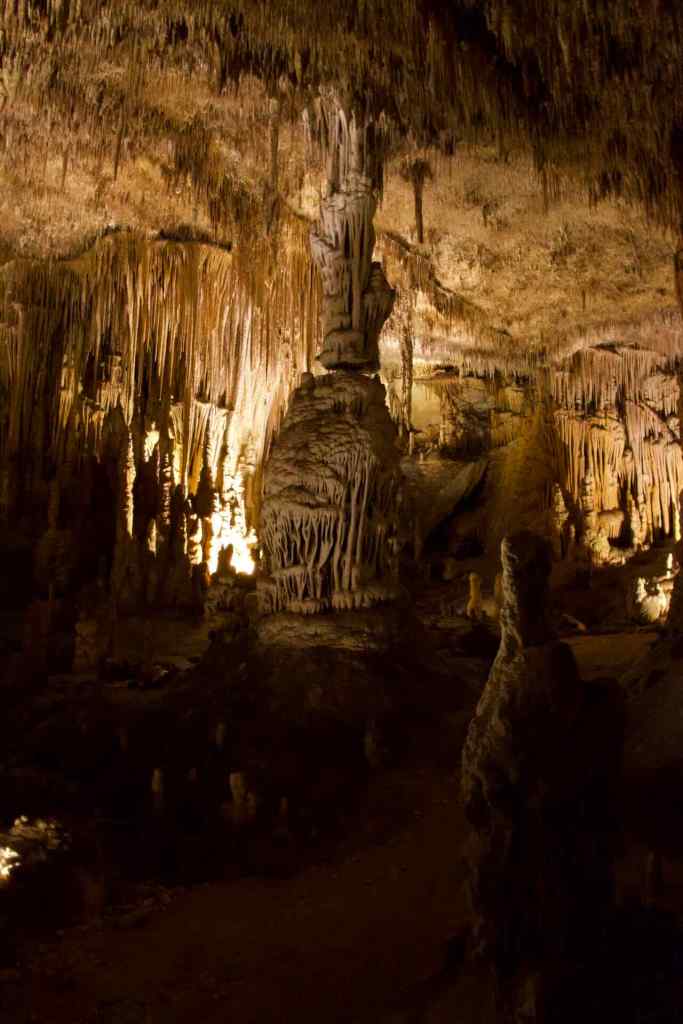
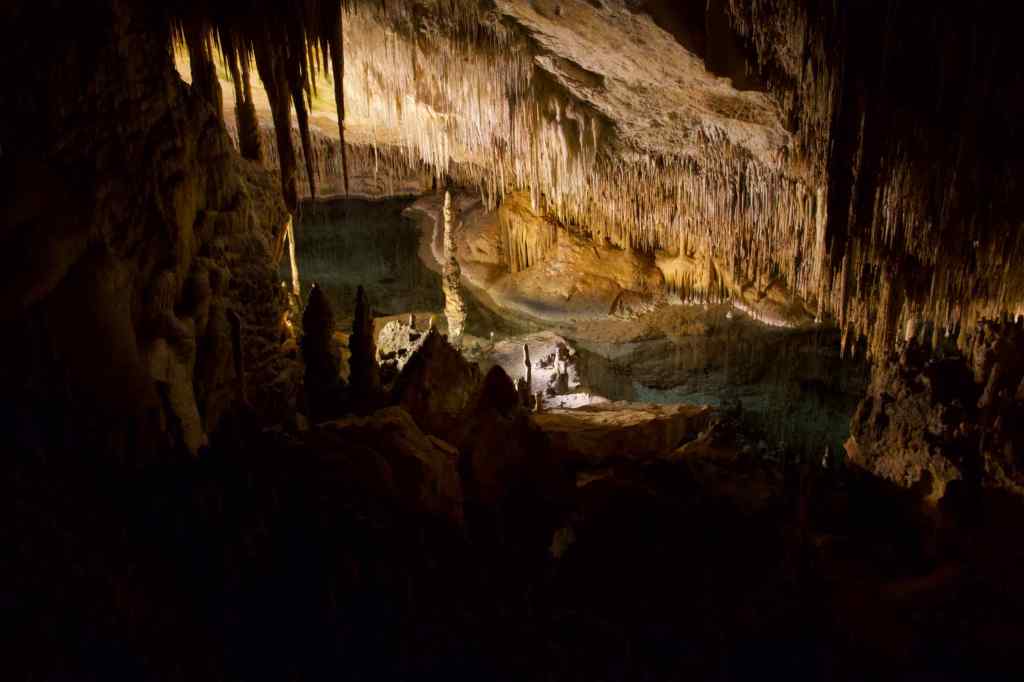
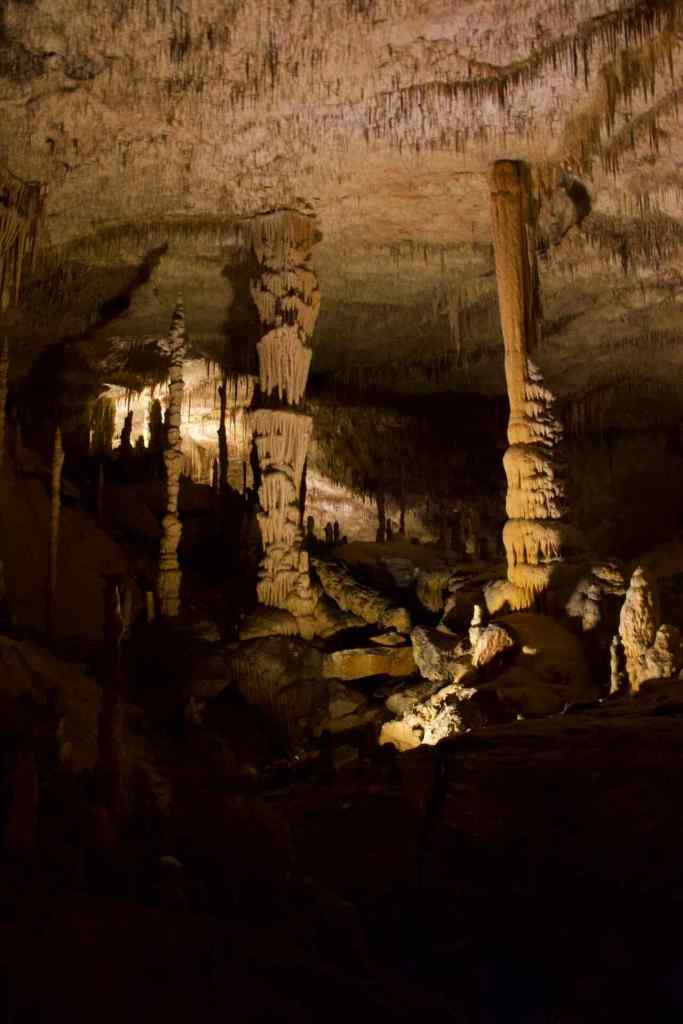
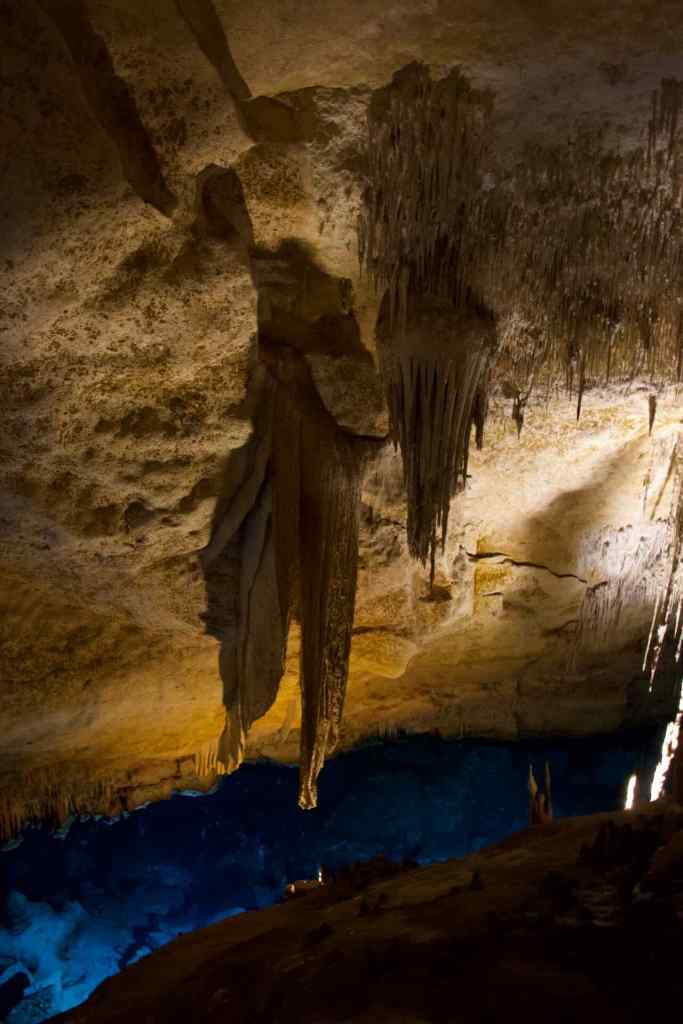
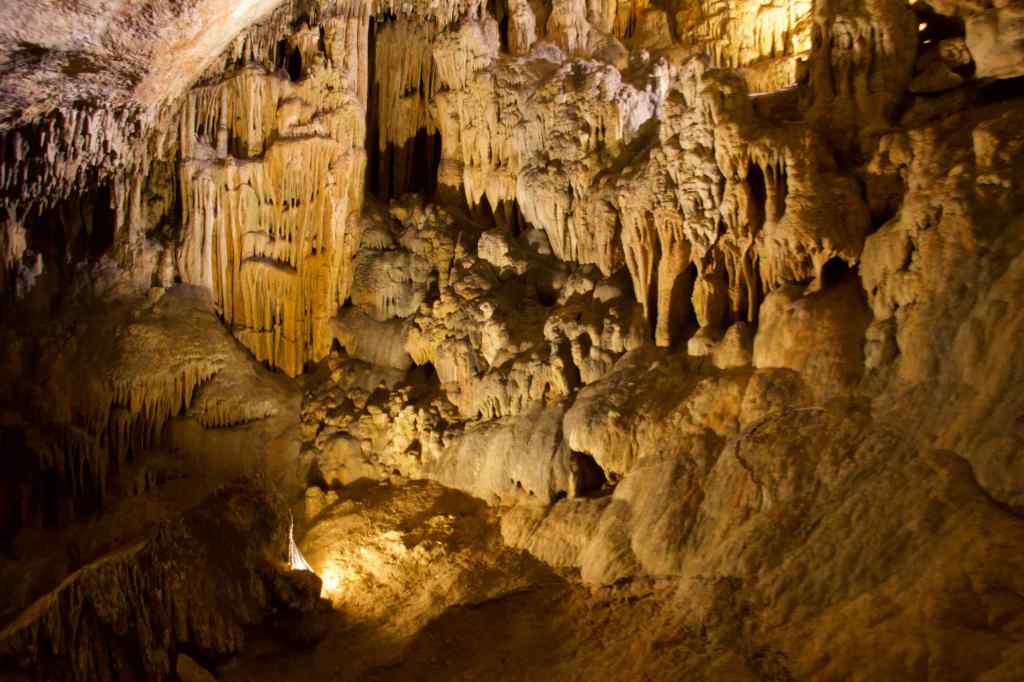
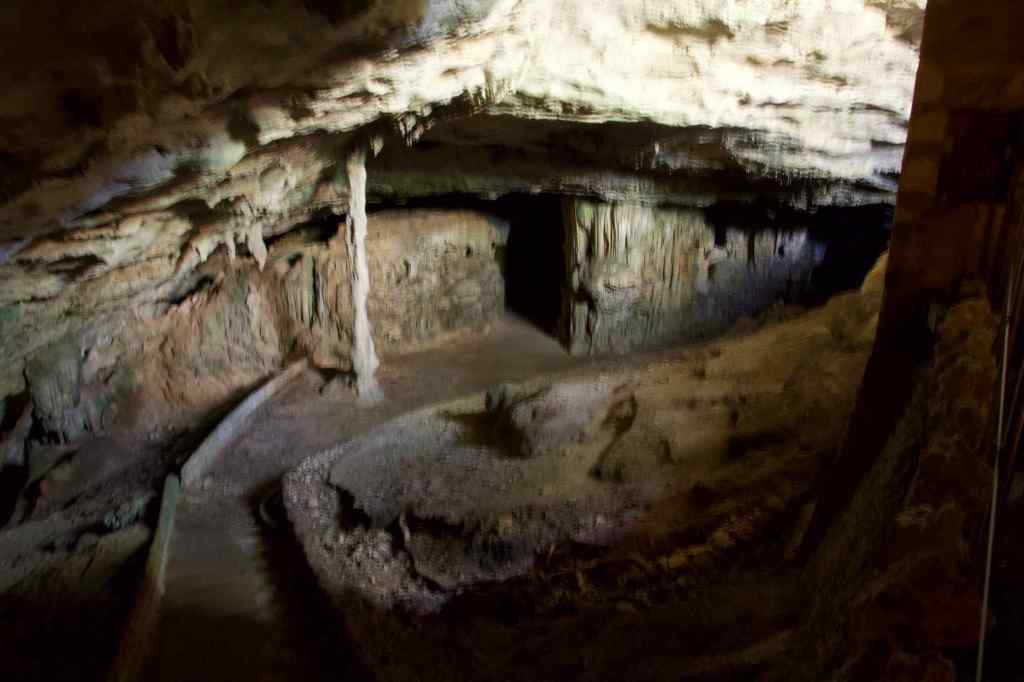
All six above, the route back to the top and the way out into the sunlight.
When we checked in to our hotel we discovered that cycle hire was available so this had to be one of our days out. Additionally, the coastal “red route” ran past the hotel verandah so provided a relatively easy track to follow.
We collected our bikes and headed off to see how far the red route would take us. It wound its way gently north, following the coast path through the village and on through the neighbouring popular resort of Cala Milor.
The sea front of Cala Millor has multitude of hotels lining the sea front, but far enough back to give the impression of space. Mind you, it was early season, I would imagine that it is rather more cramped during the high season.
Our route followed the length of Cala Millor sea front and then through the streets of another village, leaving the coast behind. We rode out for just over an hour before heading back, stopping for coffee in a beachside cafe in Cala Millor.
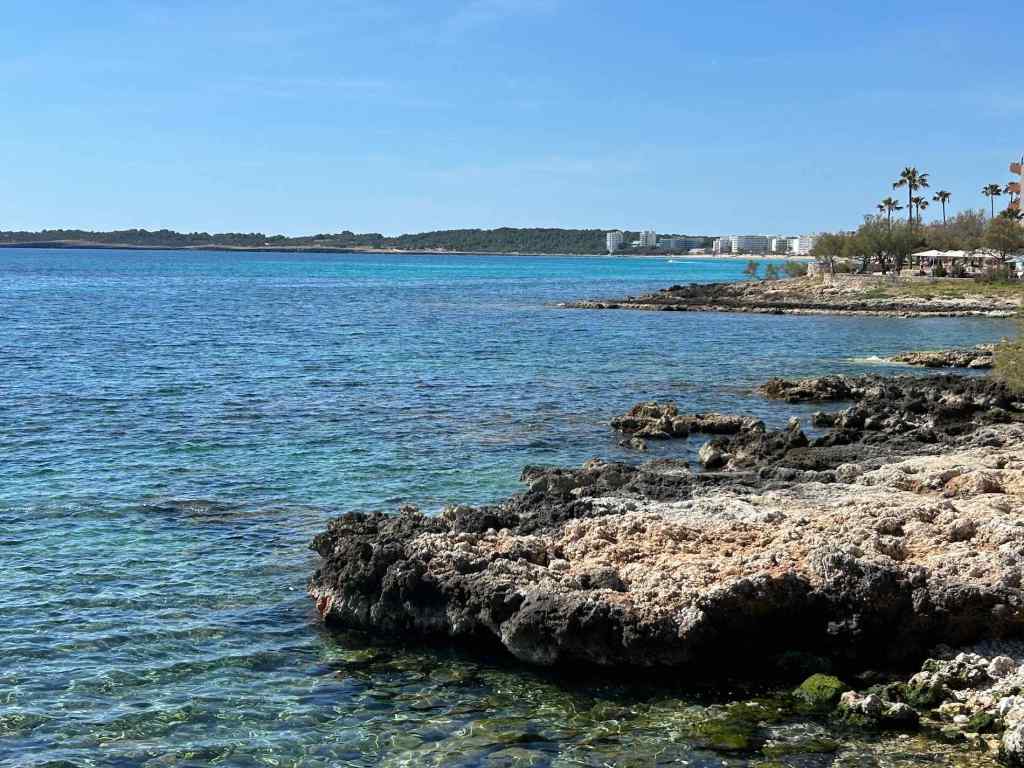
On the coast looking towards S’Illot
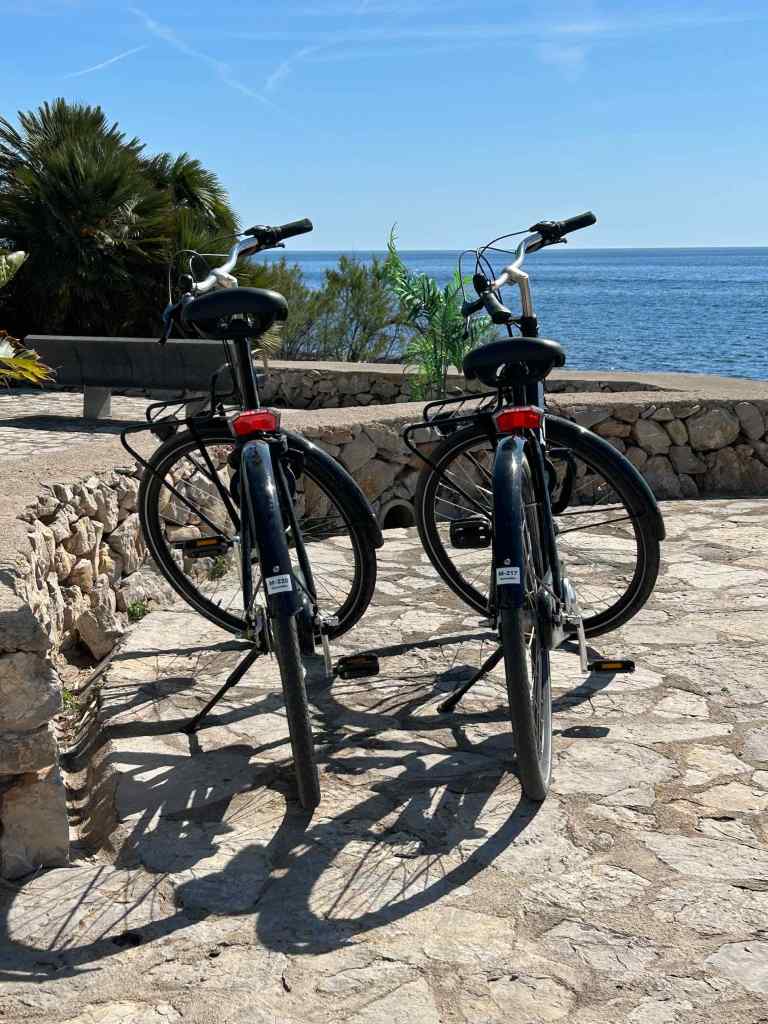
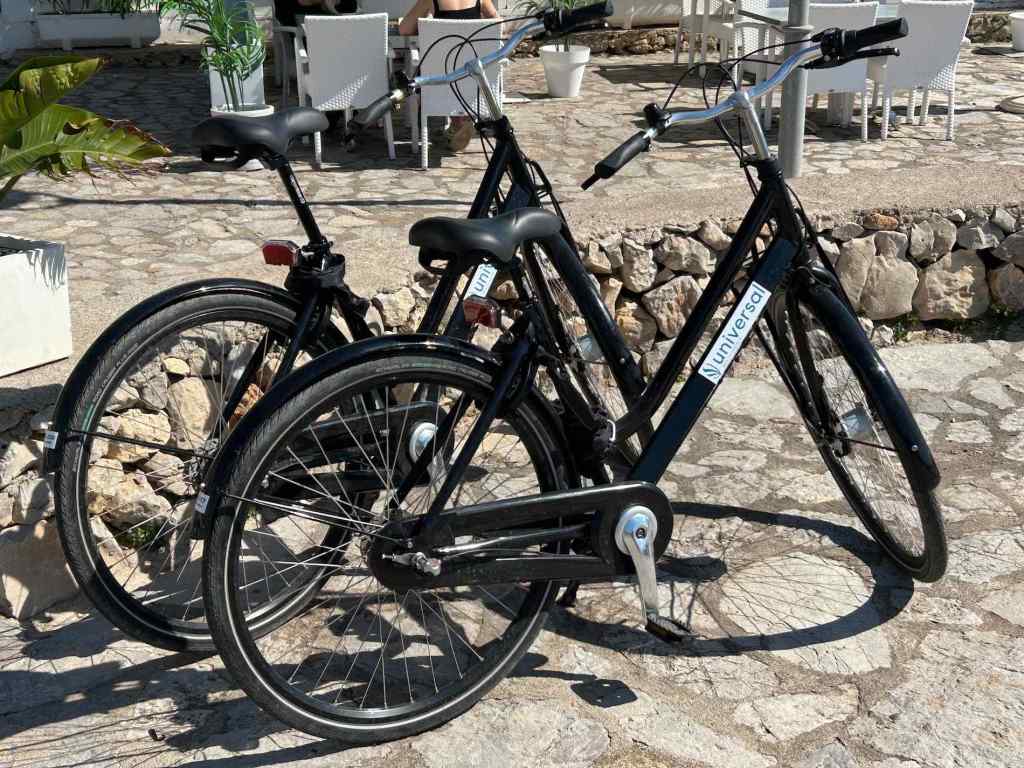
Our trusty steeds – parked up whilst we enjoy coffee
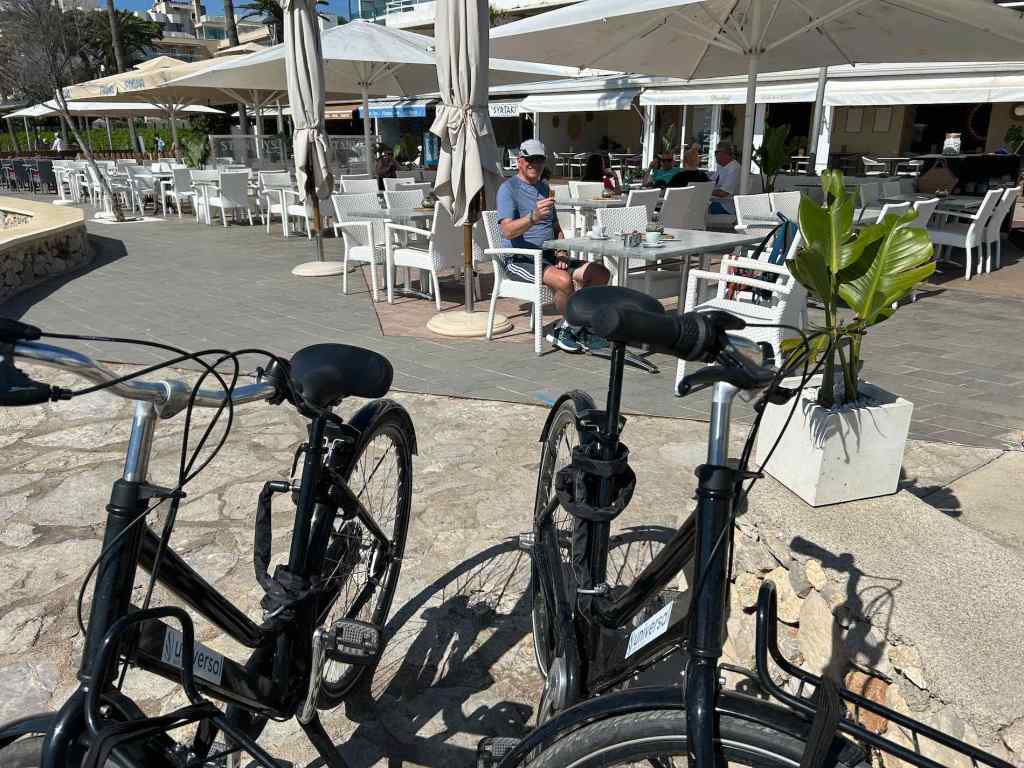
Me, coffee and the bikes
There is the opportunity for some shorter walks around S’illot. After the bike ride we had sufficient energy left for an afternoon stroll to the south of the village having cycled north in the morning.
The village tails off not far from the hotel and the coast line becomes rocky and with low cliffs. We walked out for about an hour before turning back as the path turned inland and we wanted to stay on the coast. There were some interesting scenes including the remains of a pre-historic settlement.
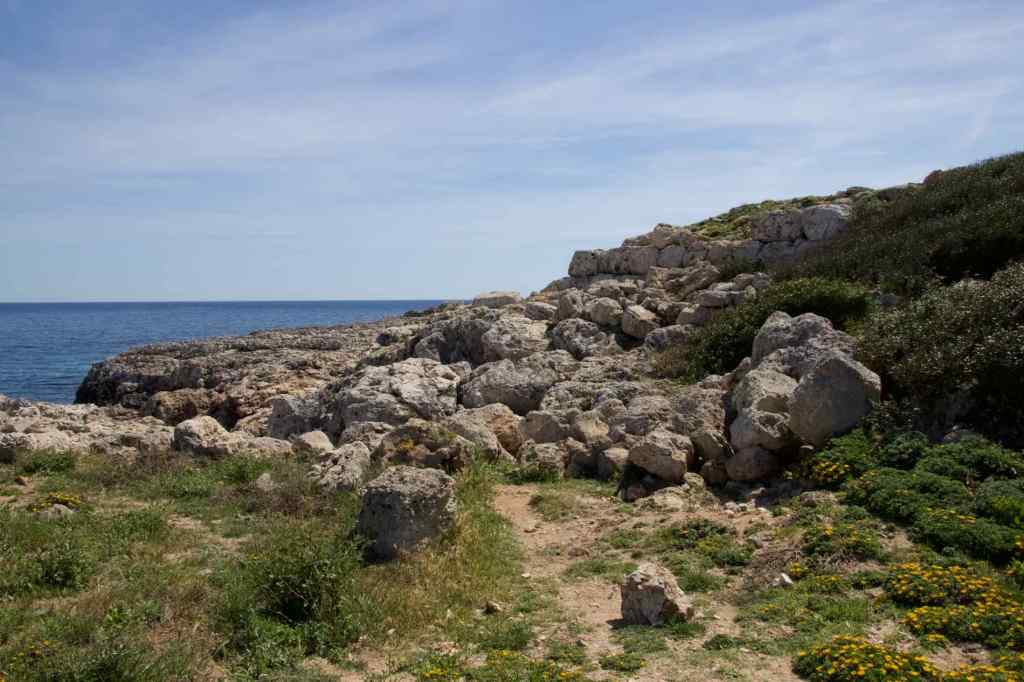
S’IIlot began here, so it is said, in pre-historic times.
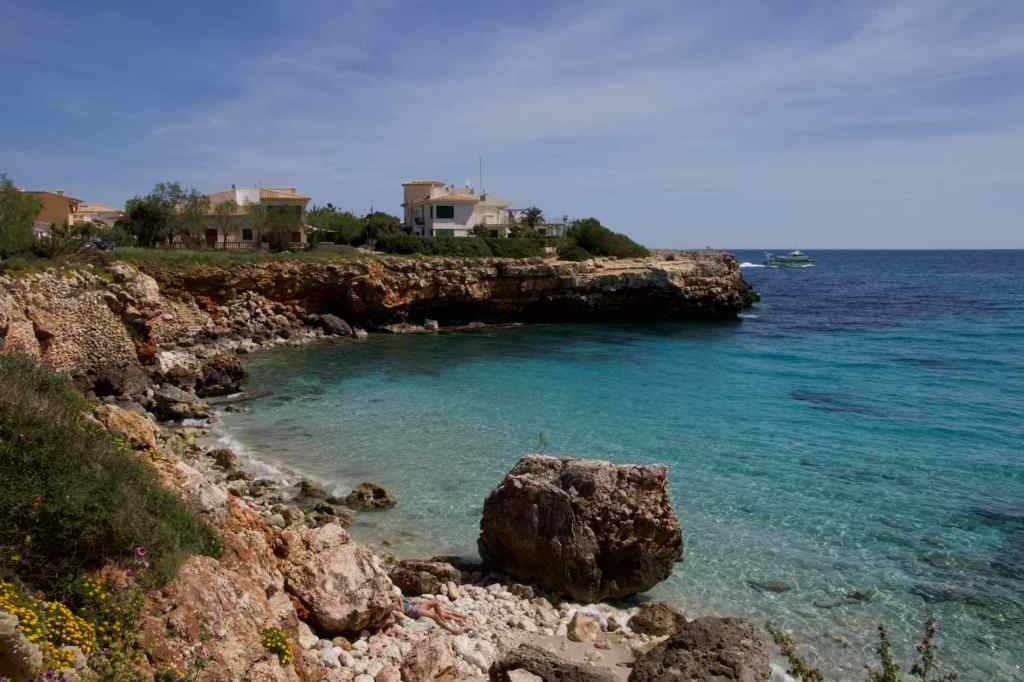
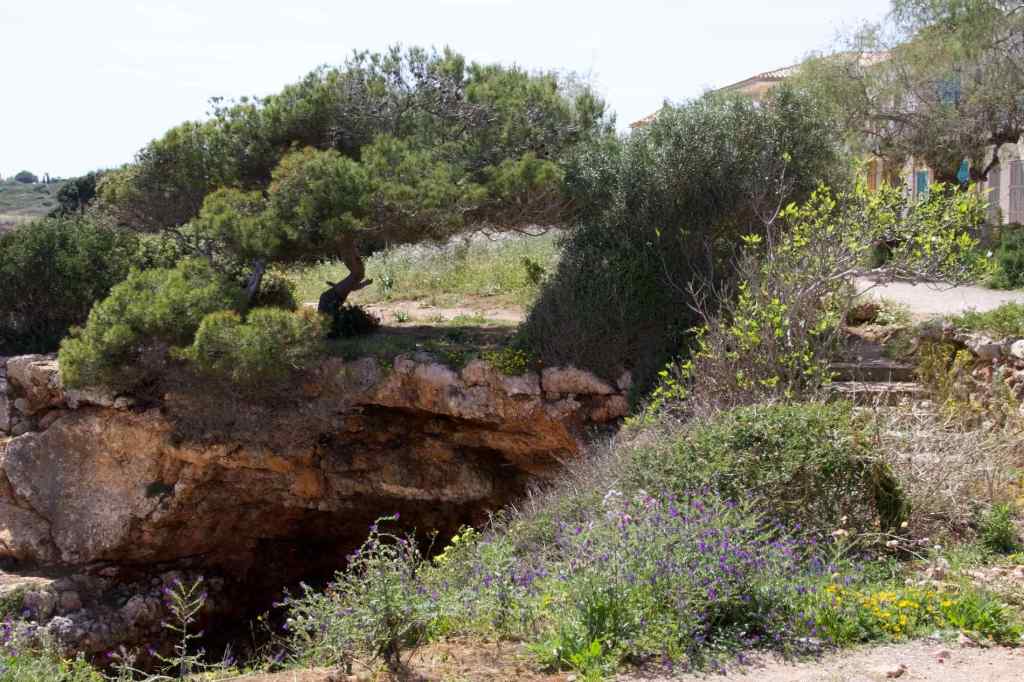
Views from our walk to the south of S’Illot
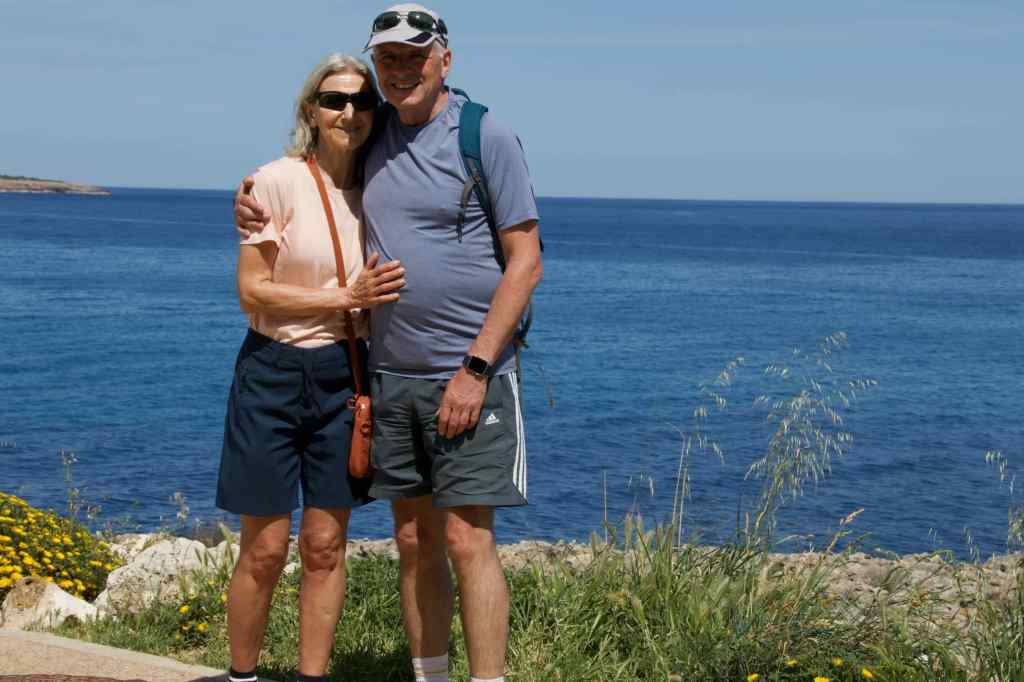
Our walk
Walking north from the hotel, the sea front path eventually disappears in to a wide dirt track with trails off to the sea shore. This area was loosely termed a “Wildlife area” though we did not see much save for a few insects and the odd bird. The main path eventually leads to the local historical castle. Next to the castle is lovely cafe with fine views across the bay, and a couple of resident cats who are permanently on the scrounge for titbits. However, they were very not friendly, just greedy.
The castle on the other hand was small, a single square two floor building surrounded by a dried up grass moat that would not have kept a bunch of kids out, let alone marauding raiders! I think the castle was more a glorified look-out than anything grand and residential.
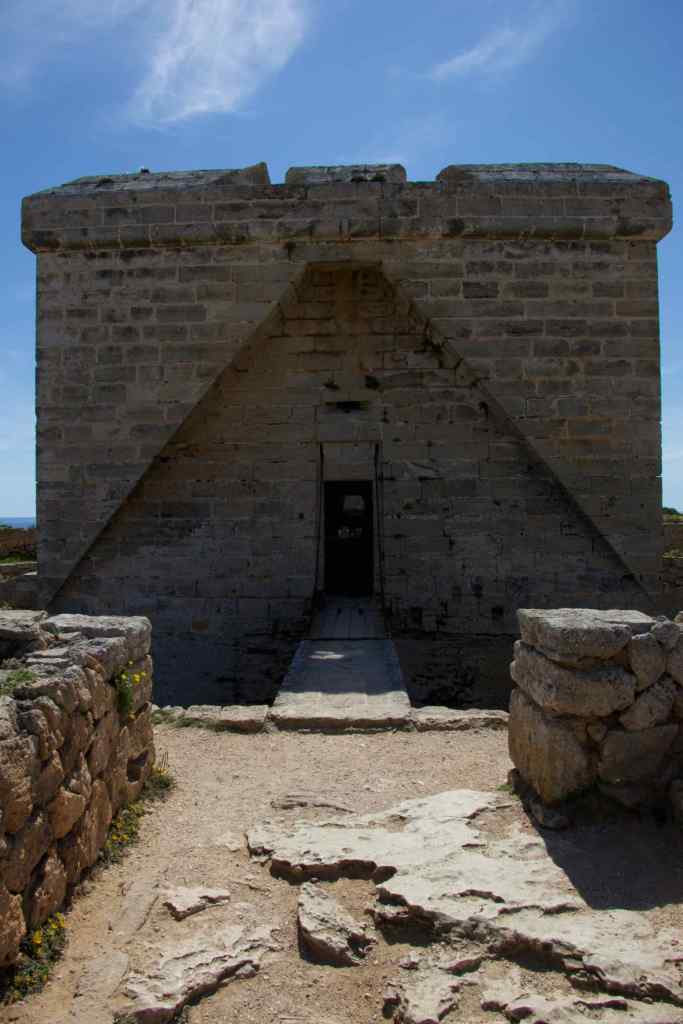

The “Castle” – more a look-out for marauders in years gone by.
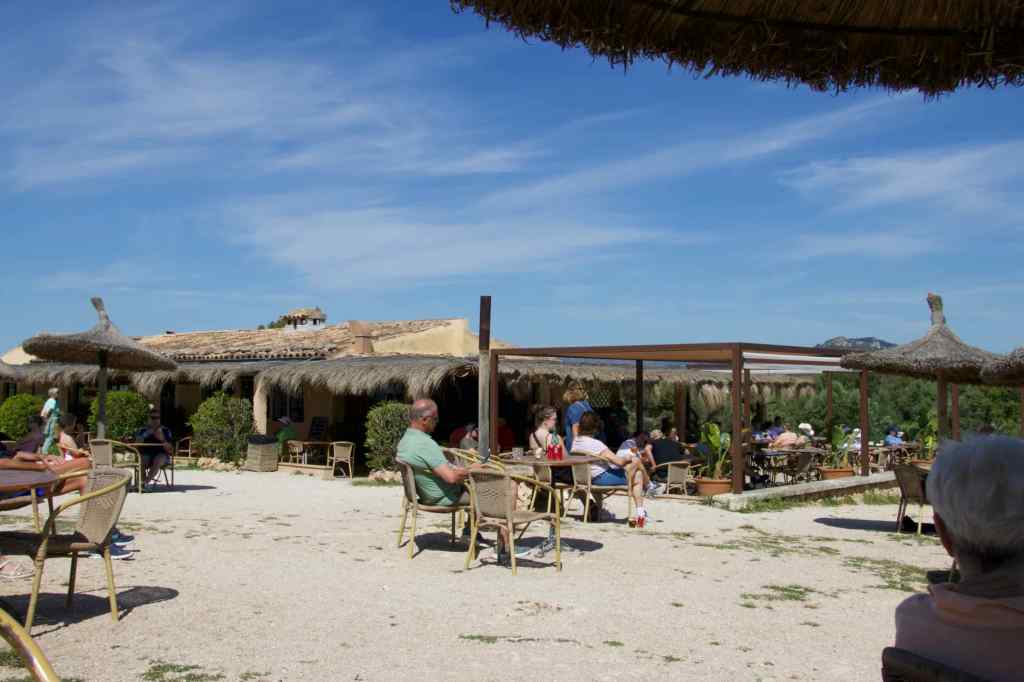
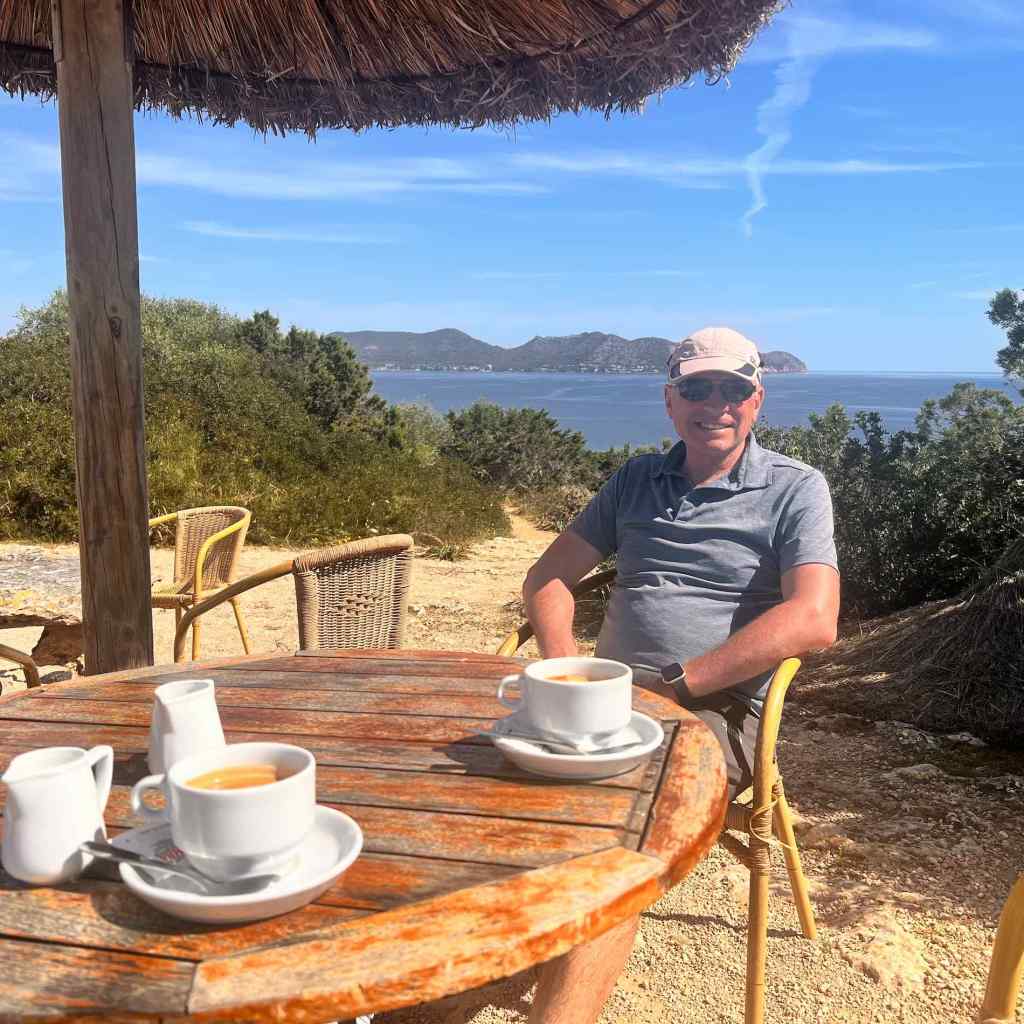
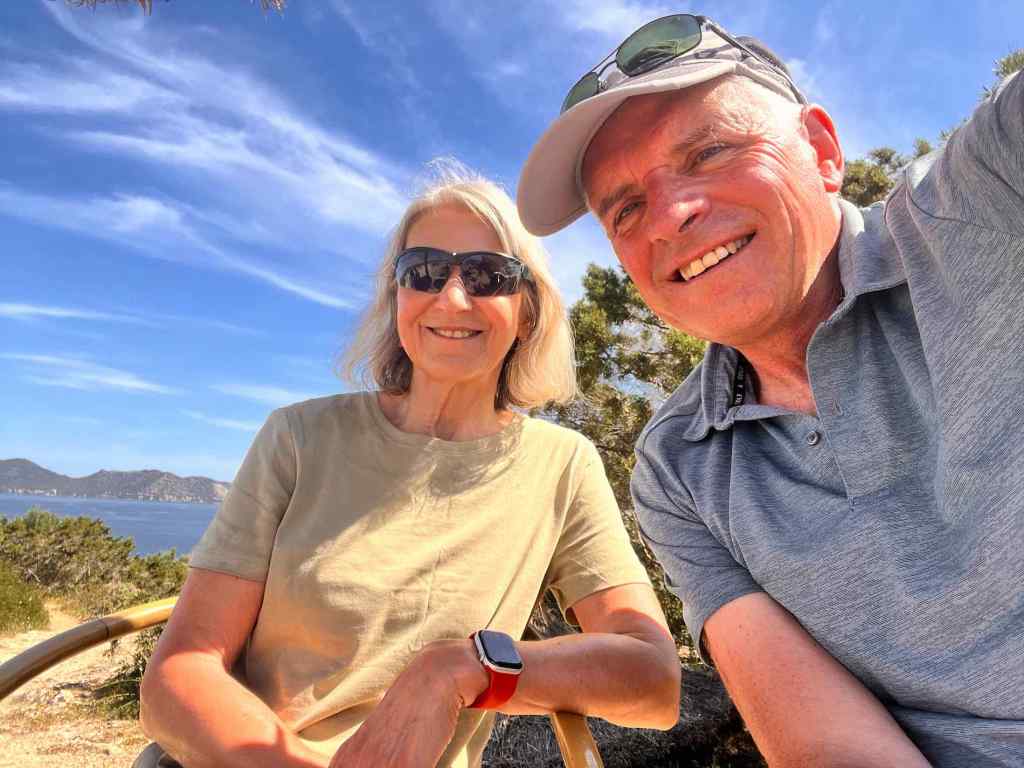
The cafe – Coffee was excellent and the cakes delicious. Breakfasts looked great too but I stuck to cake!
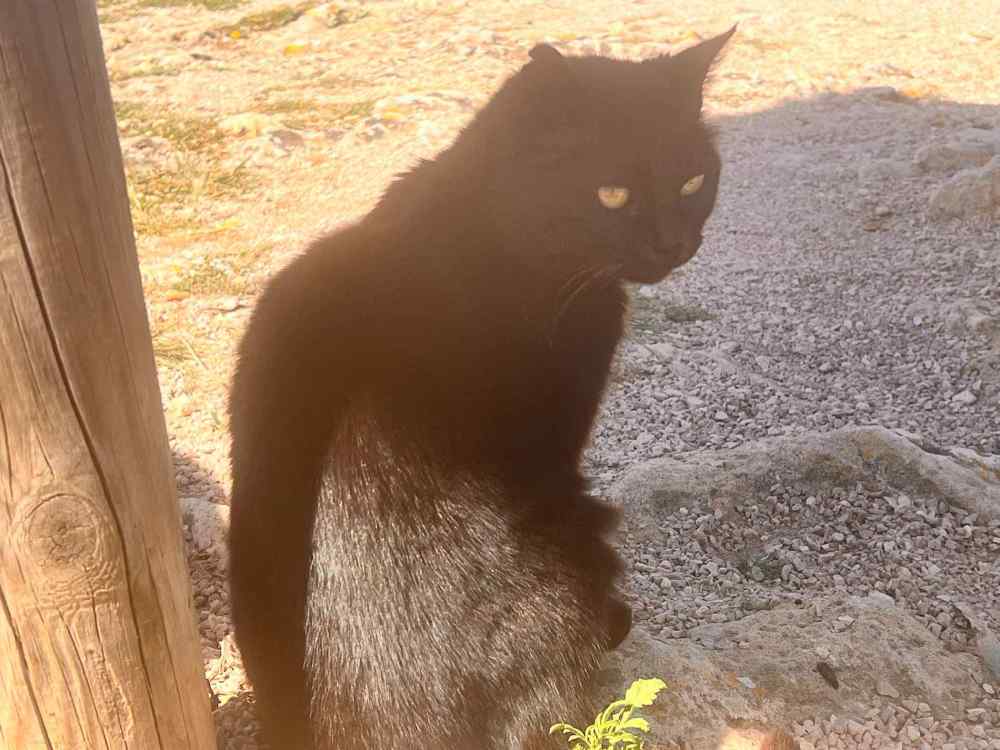
One of the cafe’s cats…….this one was the slightly more friendly of the group
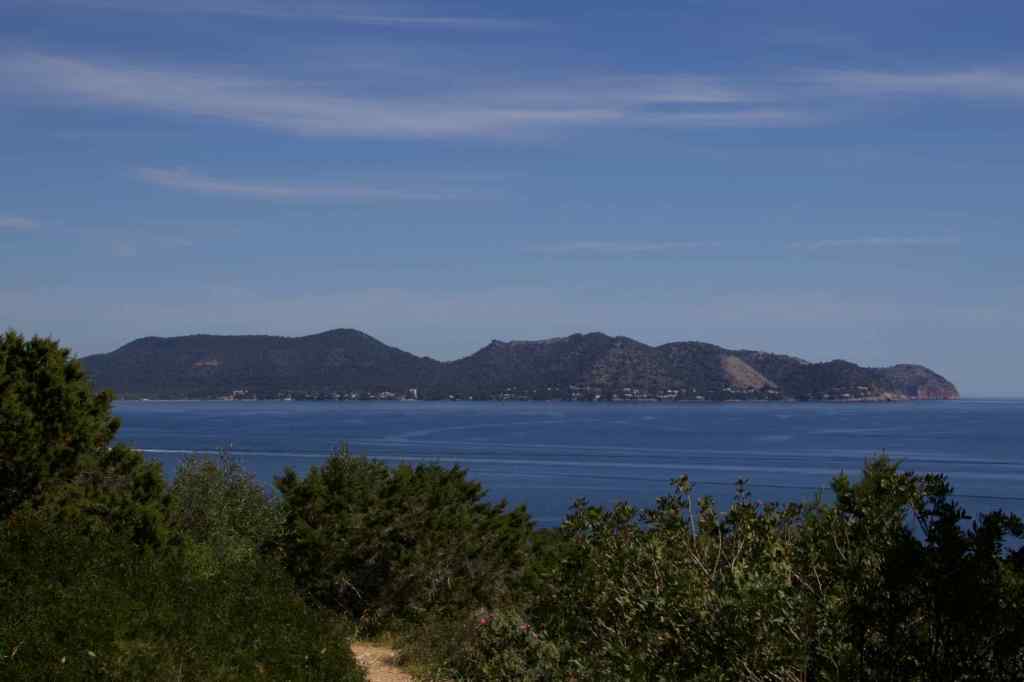
View from the cafe
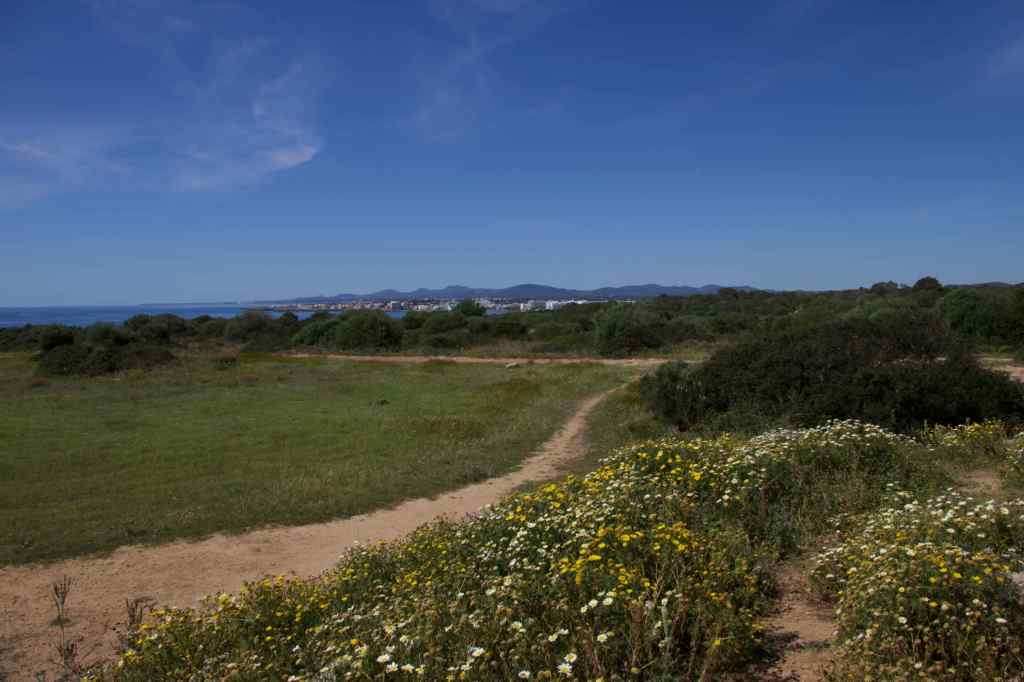
View back down the track from the cafe towards S’illot
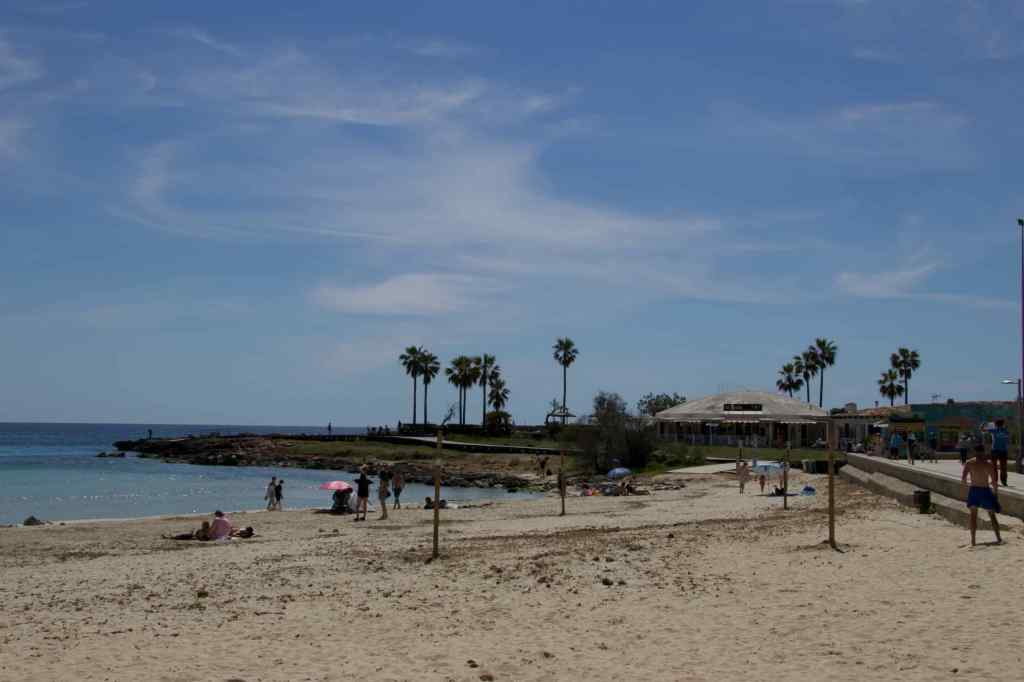
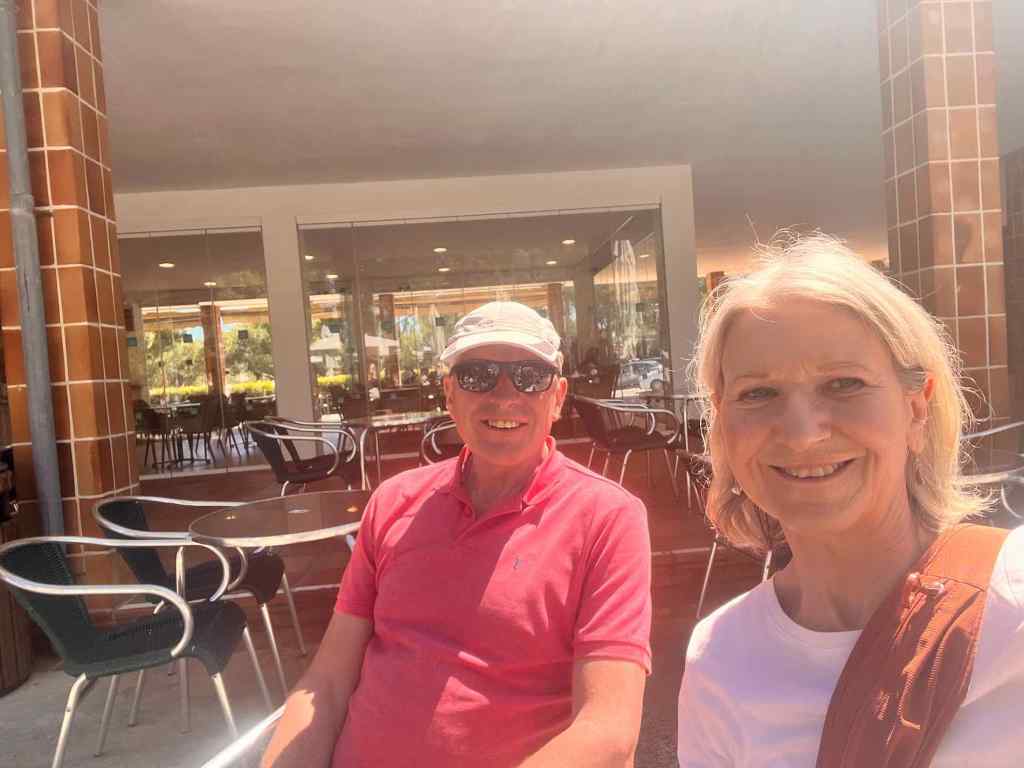
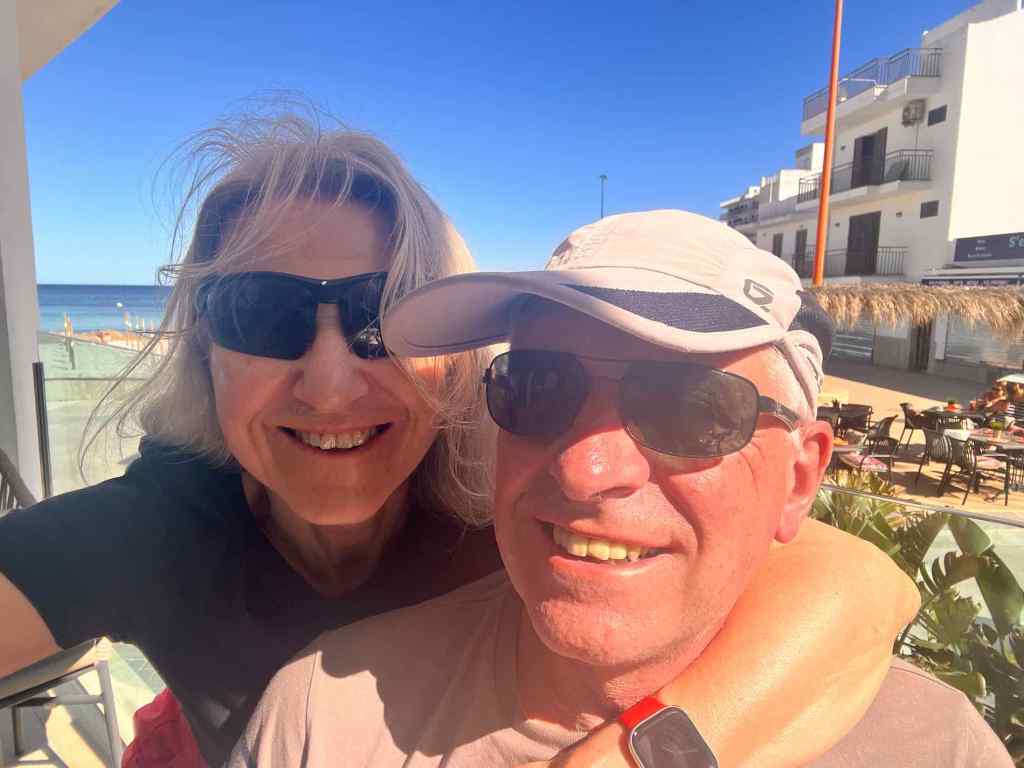
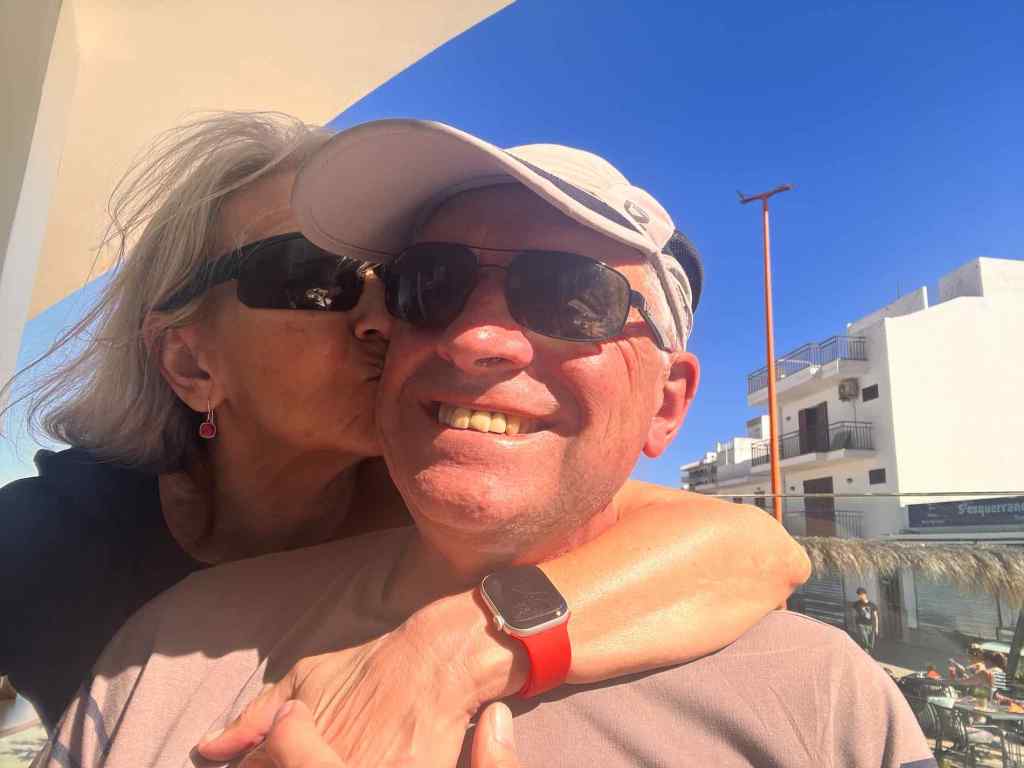
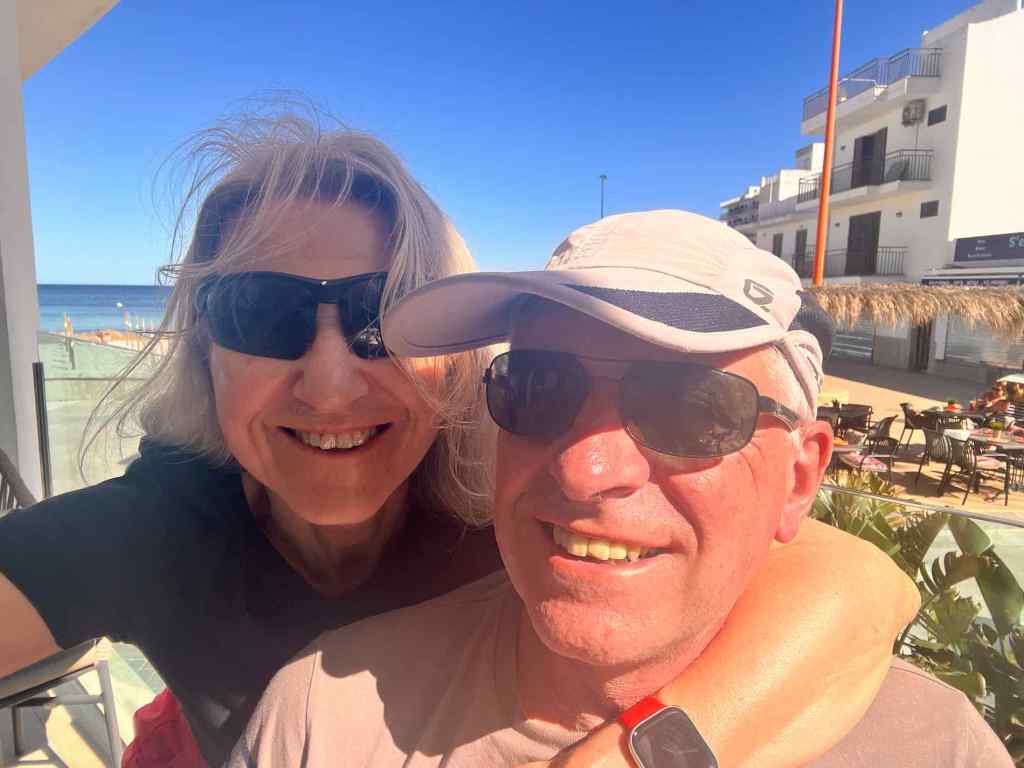
We spent some time just “chillin'” and enjoying the spring sunshine with coffee.
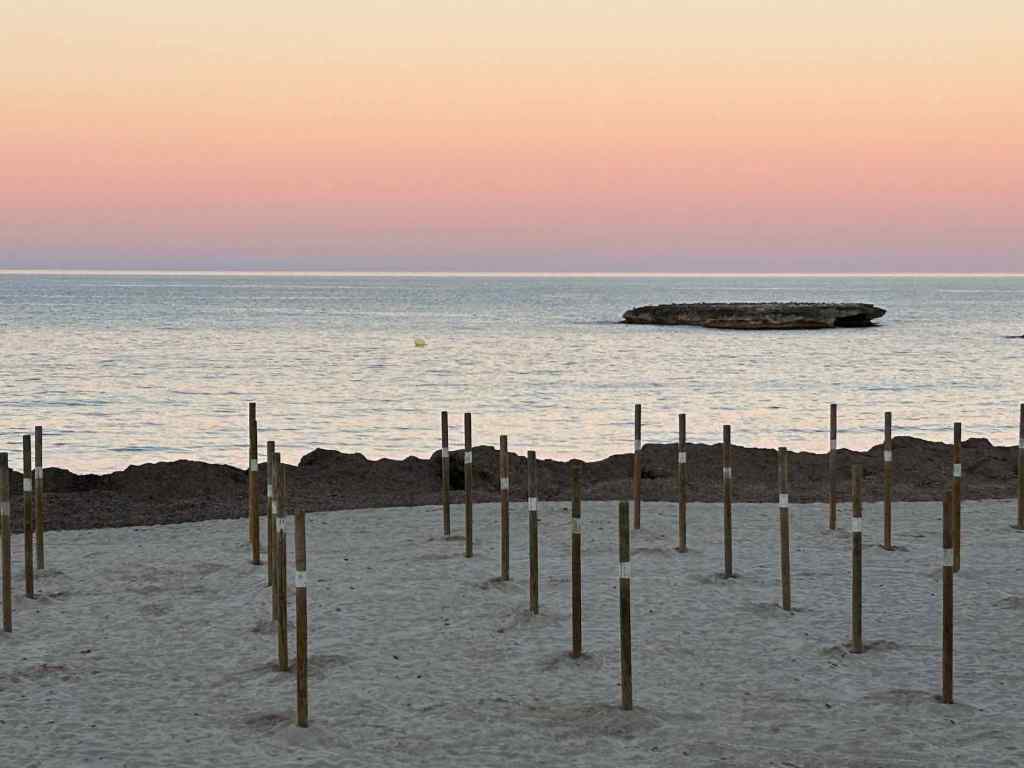
Sunset – the poles would have wicker parasols attached to them later in the week in preparation for the herds of visitors to come.
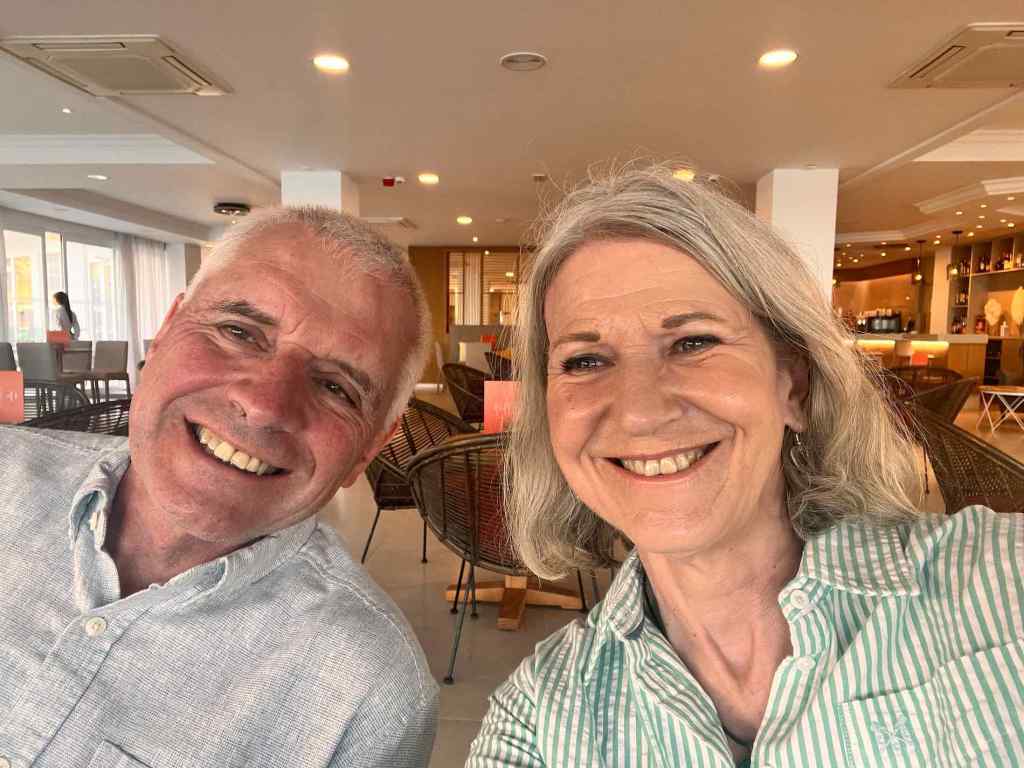
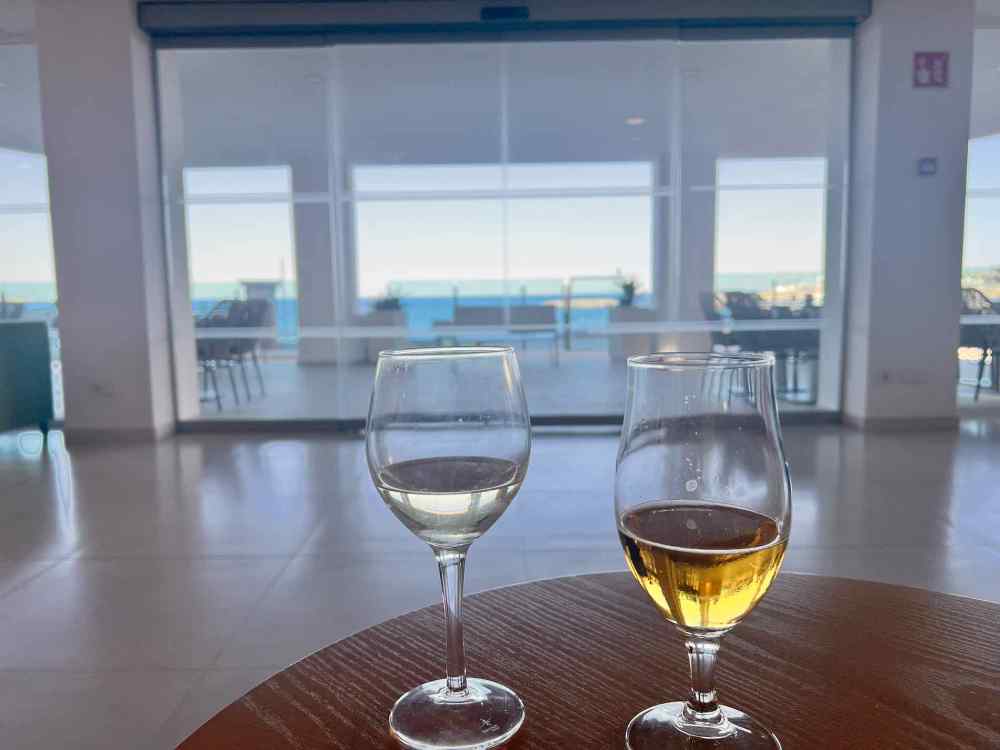
Pre- dinner drinks – a tradition we uphold in most hotels we stay. Not all have such lovely skies as this view (see above).
The week ended as it had begun, relaxed and chilled with me reading and Lyn doing some watercolour painting. All in all a very good week in spring, before the hoards of tourists arrive in the summer months. It was interesting to watch the hotels and restaurants make their preparations for the forthcoming season, putting tables out on patio’s and the plastic beach toys out on racks for sale.
Hope the summer was good for them.

